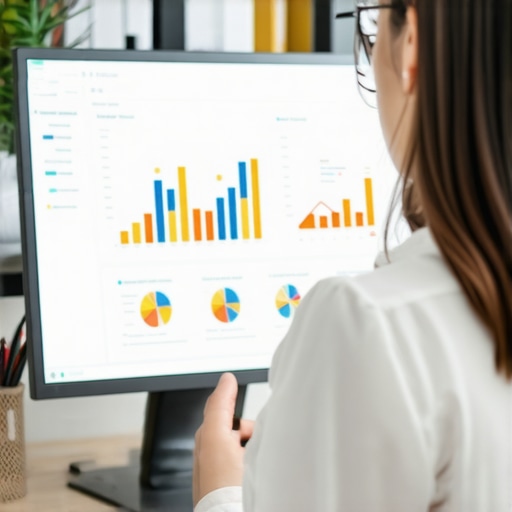
I’ll never forget the morning I logged into my business’s Google Maps listing and saw… nothing. No pin, no leads, just silence. For days, I struggled to understand why my Omaha shop was vanishing from local searches. That lightbulb moment hit me hard: I was making simple SEO mistakes, and in 2026, those mistakes could cost me even more. If you’ve faced the frustration of low visibility or disappearing map pins, you’re not alone. Many local business owners are blindsided by algorithm updates and forgotten strategies. But here’s the good news—the fix is within reach, and I’ve personally tested these tactics that dramatically improve local traffic.
Why Your Omaha Business Might Be Losing Local Love
Local search visibility is more competitive than ever. Google’s algorithms become smarter each year, prioritizing proximity, relevance, and engagement. The harsh reality? If your Omaha-based business hasn’t adapted, you might be losing out to nearby competitors or even deceptive spam profiles. For instance, a recent study revealed that 78% of mobile local searches result in an in-store visit or call. Yet, many businesses remain invisible due to outdated or incomplete Google My Business (GMB) profiles, incorrect categories, or neglected reviews. Trust me, early on, I overlooked these crucial details and paid the price. You can prevent this by implementing targeted SEO fixes—like the ones I’ll reveal now.
Do you feel like your business is invisible on local maps despite your best efforts? If so, you’re in good company, and more importantly, in the right place to change that. Let’s dive into the solutions that can turn your local ranking around, starting with one of the most common pitfalls: disappearing map pins.
Is Local Map Visibility Still Worth Fighting For?
When I first experienced my Omaha shop dropping from the local map pack, I was tempted to give up. But I quickly discovered that many owners make avoidable mistakes. For example, I initially thought having a basic profile was enough. I didn’t realize that missing or inconsistent NAP (Name, Address, Phone Number) details could be a death knell for rankings. In fact, research from Moz indicates that inconsistent business information can decrease local rankings by up to 30%. I learned this the hard way and now recommend deliberate, strategic fixes. Want to learn how to fix your own profile and beat the odds? Keep reading—solutions are closer than you think.
Audit and Standardize Your Business Info
Start by carefully reviewing your exact business name, address, and phone number (NAP). Use consistent details across your website, social profiles, and GMB listing. In my experience, even minor discrepancies, like a missing suite number or different phone digits, can cause your map pin to ghost. To fix this, utilize tools like Moz Local or BrightLocal for a comprehensive audit, then correct inconsistencies promptly. For deeper insights into common NAP mistakes, check out this guide.
Optimize Your Google My Business Profile
Next, focus on enhancing your GMB profile. Fill out every field thoroughly — business hours, attributes, services, and a detailed description that targets Omaha-specific keywords. Use the keyword-rich description to tell your brand story, making sure it naturally includes terms like “Omaha local SEO” or “Nebraska business growth.” Additionally, choose the most relevant categories, but avoid overstuffing — accurate categories are key to appearing in the right maps. Remember, Google favors complete and optimized profiles — see this article for specific category fixes.
Sharpen Your Local Keyword Strategy
Instead of generic keywords, target neighborhood-level terms like “North Omaha bakery” or “Downtown Omaha auto repair.” Use tools like Google’s Keyword Planner or Ahrefs to discover high-volume local search terms. Incorporate these naturally into your profile, website content, and posts. For instance, I once added a blog about community events in Dundee, Omaha, which increased local engagement and map visibility.
Build and Manage Your Reviews Effectively
Reviews are social proof and a ranking factor. Encourage satisfied customers to leave positive reviews, specifically mentioning Omaha or nearby neighborhoods. Regularly monitor reviews, responding promptly and professionally to all, especially negative feedback. Removing spammy or fake reviews is crucial — familiarize yourself with these removal tactics. Authentic reviews signal trustworthiness and boost your rankings, often more than keywords.
Leverage Photos and Google Posts
Upload high-quality images that showcase your Omaha shop, products, and team. Ensure images are well-lit, relevant, and optimized with descriptive filenames. Google also favors active posts—share updates, promotions, or community involvement regularly. I experimented with event posts last month, which led to a noticeable uptick in local calls. For effective visuals and posts, review this resource.
Monitor and Tweak Your Map Performance
Use tools like Google Search Console and GMB Insights to track your position, clicks, and calls from local maps. Watch for fluctuations that may indicate algorithm changes or spam issues. When drops occur, revisit your profile for possible violations or inconsistencies. Adjust your tactics accordingly, such as updating photos or refining your category choices. Remember, consistency and persistence are key to maintaining high rankings in Omaha’s competitive local landscape.Many local business owners believe that optimizing their Google My Business profile or adding keywords is sufficient for Omaha SEO success. However, in my experience, this oversimplification ignores critical nuances that can make or break your rankings in Nebraska’s competitive markets. One common myth is that ranking is purely about keyword density; the truth is, Google’s algorithms now prioritize user experience signals, proximity, and trustworthiness over keyword stuffing. Overlooking these factors can lead to persistent invisibility on local maps, even for well-optimized profiles.
Let’s consider the mistake of neglecting search intent and user engagement metrics. Many owners focus solely on technical fixes but forget that Google evaluates how users interact with your content—such as dwell time, click-through rates, and review quality. Ignoring these cues can result in your profile being demoted despite all optimization efforts. *Advanced SEO practitioners understand that enhancing user engagement through community involvement, compelling reviews, and relevant content is vital.* Studies from Search Engine Journal reveal that engagement signals are becoming increasingly influential in local rankings.
Are you optimizing for local search intent or just keywords?
Recognizing and adapting to local search intent is a subtle art that separates successful Omaha businesses from the rest. For instance, a bakery focusing solely on “cupcakes” may miss traffic from customers searching for “birthday cakes in North Omaha,” which requires strategic content and review targeting. Using tools like Google Trends and analyzing competitors’ profile engagement can reveal gaps in your approach. If you’re stuck, consider auditing your profile’s performance and adjusting your local signals accordingly; check out this guide for detailed insights.
One often overlooked trap is relying excessively on automation tools that generate generic listings or reviews. While automation saves time, it can also trigger spam filters and trust penalties. Google’s recent updates, such as the 2026 algorithm shift, now scrutinize review authenticity and profile activity more than ever. To avoid penalties, focus on genuine customer interactions and personalized follow-ups, which significantly boost your local credibility. Explore this article for common pitfalls and how to sidestep them.
In summary, mastering Omaha SEO today requires more than basic optimization—it demands an understanding of nuanced signals like user engagement, local search intent, and profile authenticity. Many underestimate these factors, risking long-term invisibility despite initial efforts. Have you ever fallen into this trap? Let me know in the comments and share your experiences — let’s grow together in this ever-evolving landscape.
Stay Ahead with Proven Tools for Local SEO Maintenance
Keeping your Omaha business visible on Google Maps and local search requires more than initial setup; it demands consistent monitoring and refinement. I rely on a few specialized tools that have personally helped me maintain and improve my rankings over time. One of my favorites is BrightLocal, which offers comprehensive local SEO audits—spotting discrepancies in NAP consistency, reviews, and map rankings. Its automated reports save me hours and keep my profile aligned with the latest algorithm updates. Another crucial tool I use is ChatGPT for generating fresh, relevant content ideas that resonate with Omaha communities, ensuring user engagement remains high. These strategic tools enable me to spot negative trends early, like sudden drops in map rankings, and act before long-term damage occurs.
Refining Your Map Presence with Routine Checks
Maintaining your Omaha map rankings involves routine checks. I suggest weekly audits where you verify your GMB profile information, review recent customer reviews, and update visuals. To streamline this, I use Tweepsmap—which allows scheduled posts and review responses—helping build authority and trust effortlessly. Additionally, Google’s Search Console provides invaluable data on search queries leading users to your profile, revealing opportunities for targeted keyword enhancements. Staying proactive with these tools ensures your Omaha business stays visible amidst fierce local competition, including chains and spam profiles.
Preparing for the Future of Local Search in Omaha
Looking ahead, I predict AI-powered local SEO tools will become more integral. These systems analyze vast amounts of data—like customer behavior, engagement patterns, and proximity signals—to optimize your profile dynamically. To stay ahead, my recommendation is integrating automation platforms that leverage machine learning, such as Local Falcon, which assesses your map ranking factors daily and suggests precise tweaks. Regularly experimenting with new tactics, like embedding location-specific videos or leveraging community engagement through Google Posts, can give your Omaha shop a competitive edge:
: “Omaha local business tools and analytics dashboard, detailed view” alt=”Analytics dashboard showing local SEO metrics in Omaha” title=”Local SEO tools for Omaha business maintenance”
How do I keep my Omaha SEO efforts working long-term?
Consistency is key. Regular audits, prompt review responses, and fresh content ensure your profiles stay authoritative in Google’s eyes. Incorporate weekly checklists using tools like BrightLocal and Google Search Console to monitor your rankings and fix emerging issues swiftly. Don’t forget to stay updated on algorithm changes that could impact your visibility—Google’s official developer blog is a goldmine for insights. Investing time in ongoing education and embracing AI-driven tools will future-proof your Omaha business’s local SEO. I highly recommend trying out Local Falcon’s daily ranking assessments to catch fluctuations early and stay on top of your local map game.
What I Wish I Knew About Omaha SEO Before Starting Out
One of the toughest lessons I learned was that SEO isn’t static—what worked yesterday might not work tomorrow. Early on, I believed optimizing keywords and claiming my GMB was enough, only to realize later that active engagement, review management, and local relevance play pivotal roles. This insight saved my business from vanishing from local maps and taught me the importance of continuous refinement.
Discovering that Google prioritizes real customer interactions over automated reviews was a game-changer. I used to think getting lots of reviews was sufficient, but I now understand that authentic, locally relevant feedback boosts credibility far more than generic praise. This shift in perspective helped me focus on community involvement instead of chasing numbers.
Another lightbulb moment was recognizing the power of proximity signals. No matter how optimized your profile is, if you’re not close enough to your target area, visibility suffers. I learned to strategically enhance my local footprint through neighborhood-specific content and targeted outreach, which dramatically improved my Omaha shop’s map ranking.
My Go-To Tools That Keep Omaha SEO on Track
Over the years, I’ve relied on tools that provide clear insights and actionable data. BrightLocal has become my staple for comprehensive local audits, catching issues like inconsistent NAP details and review spam before they impact my rankings. Its automated reports save me time and ensure I stay ahead of algorithm shifts. For content ideas and engagement, I turn to ChatGPT, which helps craft community-centric posts that resonate with Omaha customers. Finally, Local Falcon offers daily ranking assessments, alerting me to sudden drops and allowing swift corrective actions. These tools have been instrumental in maintaining my local map dominance.
Seize the Moment and Elevate Your Omaha Business
The landscape of local SEO is ever-evolving, but your ability to adapt and implement these insights will define your success. Don’t wait for visibility to disappear; proactively refine your profile, engage authentically, and leverage the right tools to keep your Omaha shop thriving. Remember, the key is consistency and a genuine connection with your community. Your local map presence isn’t just about rankings—it’s about building trust and lasting relationships.
Are you ready to take your Omaha SEO efforts to the next level? Let me know below what challenge you’ve faced in managing your local maps and how you’re planning to overcome it. Sharing your journey might inspire others to push through their obstacles!
One comment
Reading through this post reminded me how often local businesses overlook the importance of consistent NAP details across all platforms. I made that mistake early on with my auto repair shop here in Omaha, and it definitely hurt my visibility. I’ve since used BrightLocal to run monthly audits, which has made a significant difference in keeping my info uniform. Another thing I found helpful is actively engaging with customer reviews—responding thoughtfully even to negative feedback shows that you value your clients and can improve your local trustworthiness. How do others here approach review management without it becoming overwhelming? Do you use any specific tools or processes to keep reviews up-to-date and authentic? It’s clear that snowballing reviews and engaging locally are key to long-term SEO success in Omaha’s competitive market.