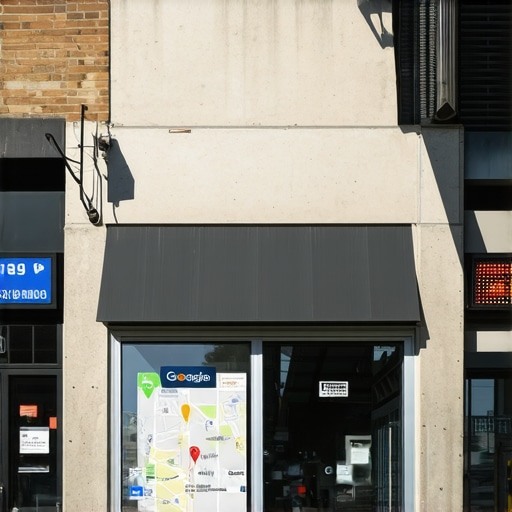
I’ll never forget the moment I realized my Omaha business was invisible on Google Maps. It was a busy Saturday, and I was expecting a flood of local customers. Instead, I watched helplessly as my competitors’ pins lit up the map, drawing all the attention away from my storefront. That frustrating experience was my lightbulb moment. I knew I had to crack the code on local visibility if I wanted my business to thrive.
Why Local Maps Visibility Can Make or Break Your Omaha Business
In Omaha, a city full of vibrant small businesses, standing out on Google Maps isn’t just a bonus — it’s a necessity. According to a recent study, over 70% of consumers visit a store within five miles of their location after searching online. That means if your business isn’t showing up prominently on local maps, you’re practically invisible to the very customers you want to attract. I’ve learned this the hard way, making mistakes early on that cost me potential sales. But once I started applying proven strategies, everything changed. Today, I want to share those insights with you so you can avoid the pitfalls I fell into.
Is Google Maps Optimization Really Worth All the Hype?
It’s natural to wonder if investing time and resources into local SEO and GMB management actually pays off. I used to think that just having a listing was enough. Spoiler alert: it’s not. My early mistake was neglecting to optimize my Google My Business profile, thinking it was a set-it-and-forget-it deal. That mistake cost me visibility and credibility. But once I started focusing on actionable tactics, like consistent NAP information, engaging photos, and customer reviews, I saw my rankings soar. If you’re skeptical, I get it. But trust me — proper management of your Omaha GMB profile can significantly boost your local presence. For detailed tips, check out our comprehensive guide on effective Omaha GMB management tips.
Get Your Business Found Fast
Start by claiming and verifying your Google My Business (GMB) profile if you haven’t already. This is your foundation. Navigate to this guide to ensure your profile is fully optimized with accurate information, business hours, and categories. I remember a time when I overlooked updating my hours during a holiday season, causing confusion for customers and missed opportunities. Fixing this in my GMB profile increased foot traffic significantly.
Optimize Your NAP Consistency
Ensure your Name, Address, and Phone number (NAP) are consistent across your website, social media, and local directories. Think of NAP consistency as your business’s reputation in the digital neighborhood; if it’s inconsistent, Google gets confused about your location. I once found a typo in my NAP on a local directory, and correcting it instantly improved my local rankings. For detailed NAP strategies, check this resource.
Harness the Power of Photos and Videos
Adding high-quality, relevant photos and videos is like giving your customers a virtual tour. I uploaded new photos weekly, showcasing my products and storefront. This not only attracted more views but also encouraged customers to leave reviews after their visit. Remember, engaging visuals can be a game-changer, so don’t skimp on this. For tips on creating compelling media, visit this article.
Encourage and Manage Customer Reviews
Reviews are social proof that build trust and improve your local ranking. I made it a habit to ask satisfied customers for reviews right after their purchase. Responding to reviews, both positive and negative, shows you care. I once responded thoughtfully to a negative review, which turned a dissatisfied customer into a loyal one. This engagement boosted my credibility and local visibility. Learn more about review management here.
Use Local Keywords Strategically
Incorporate keywords like “Omaha bakery” or “best coffee shop in Omaha” naturally into your business description, posts, and FAQs. Think of keywords as the language your customers speak. I once optimized my description with local keywords, and within weeks, I noticed a significant bump in local searches. For keyword strategies tailored for Omaha, visit this guide.
Maintain Consistent Engagement
Regularly update your GMB profile with posts about promotions, events, or new products. This signals to Google that your business is active. I set reminders to post weekly updates, which kept my listing fresh and attractive. The more active your profile, the higher your chances of appearing at the top of local searches. For ongoing optimization techniques, see this resource.
Many local business owners believe they already know the essentials of Google Maps optimization, but in practice, some widespread myths can sabotage your efforts. Let’s dig deeper into what most people get wrong and how to avoid these pitfalls to truly elevate your Omaha business’s visibility.
Why Do So Many Overlook the Nuances of Local SEO?
One prevalent misconception is that simply claiming your GMB profile and adding basic details will guarantee high rankings. In reality, Google’s algorithms are complex, and they consider a myriad of factors beyond just the basics. For example, the quality and frequency of customer reviews, the consistency of your NAP data, and engagement in posts all influence your visibility. Relying solely on initial setup without ongoing optimization is a surefire way to fall behind competitors who invest in continuous refinement. To master these nuances, I recommend exploring advanced Omaha Google Maps SEO strategies.
The Hidden Mistake That Could Cost You Local Rankings
Another common trap is neglecting to update your profile regularly. Many assume that once optimized, their listing will rank well indefinitely. However, Google values fresh content—this includes new photos, posts, and responses to reviews. An outdated or inactive profile signals to Google that your business might be less relevant or active, which can negatively impact your rankings. Moreover, inconsistent updates can confuse potential customers and diminish your credibility. Regular engagement is essential, and for a detailed approach, see effective GMB management tips.
How Can Advanced Strategies Give You an Edge?
For those already familiar with the basics, the real game-changer lies in leveraging advanced tactics like geo-targeted keywords, schema markup, and hyper-local content. These strategies help Google understand your business’s niche and location with greater precision, increasing your chances of appearing in relevant searches. Additionally, integrating your Google Maps efforts with broader SEO and local content marketing enhances your overall visibility. A comprehensive approach is detailed in this ultimate guide.
Keeping Your Maps Optimization Effective Over Time
Maintaining a strong local presence on Google Maps isn’t a set-it-and-forget-it task. It requires ongoing effort, strategic tools, and a keen eye on evolving trends. Over the years, I’ve refined my approach using specific tools and methods that have consistently kept my Omaha business visible and competitive.
Invest in Reliable Management Software
One of my go-to tools is BrightLocal. I use it to monitor my local rankings, manage reviews, and audit NAP consistency across directories. BrightLocal’s dashboard gives me real-time insights, helping me spot drops in visibility immediately and respond proactively. For instance, if I notice my rankings slipping, I can promptly identify whether it’s due to inconsistent NAP data or a surge in competitor reviews. Using BrightLocal has made my local SEO efforts more precise and less time-consuming.
Automate Review Requests Without Being Spammy
Customer reviews are vital, but manually requesting them every time isn’t scalable. I use GatherUp to automate review requests via email and SMS, ensuring I gather fresh feedback consistently. This tool also helps me respond quickly, which boosts my credibility. Keep in mind: Google values recent reviews, so maintaining a steady flow is key to long-term success.
Leverage Google My Business Posts and Insights
Regularly updating my GMB profile with posts about new offers, events, or community involvement keeps my profile active. I use the built-in insights to track engagement levels and adjust my content strategy. This ongoing activity signals Google that my business is active, which positively impacts my rankings. For detailed strategies, I consult this guide.
Monitoring Competitor Movements
I keep an eye on what competitors are doing using SEMrush Local. It helps me identify new keywords they’re targeting or reviews they’re accumulating. Staying aware of competitors’ strategies allows me to adapt quickly, whether by optimizing new keywords or engaging more actively with customers.
Where Is Local Maps Optimization Heading?
In the future, I predict a shift towards more personalized and AI-driven local search results. Voice search, in particular, will demand even more precise and conversational keyword optimization. To stay ahead, I recommend integrating schema markup and hyper-local content into your strategy. Check out this resource for advanced tactics.
How do I maintain Google Maps success over time?
The key is continuous engagement—keep your profile fresh with new photos, posts, and reviews. Use tools like BrightLocal to monitor your progress and spot issues early. Regularly update your NAP data across all platforms to avoid confusion. And importantly, stay informed about new features Google introduces, like the recent addition of messaging and booking integrations, which can give you a competitive edge. I encourage you to try implementing automated review requests with GatherUp today, as consistent reviews are a proven way to sustain and grow your visibility.
By staying proactive and leveraging the right tools, you’ll keep your Omaha business at the top of local search results for years to come. For even more detailed strategies, explore this comprehensive guide.
The Hardest Lesson I Learned About Google Maps Optimization
One of my biggest realizations was that claiming your Google My Business profile isn’t enough. Without ongoing engagement, your visibility can quickly fade. I learned this the hard way when my profile sat dormant for months, causing my local rankings to plummet. Consistent updates, reviews, and fresh content are what keep your business alive on the map.
3 Myths About Local SEO That Held Me Back
I used to believe that once I optimized my NAP information, I was set for good. Turns out, local SEO is an ongoing game. I also thought customer reviews didn’t matter as much as keywords—wrong! And I assumed that visual content was optional. Dispelling these myths transformed my approach and boosted my local presence significantly.
What Experts Won’t Tell You About Omaha GMB Success
Many overlook the importance of integrating their local keywords naturally into every post and update. I discovered that hyper-local content tailored to Omaha residents can make all the difference. Also, leveraging advanced tools for review management and competitor analysis gives you a competitive edge that most small businesses miss out on.
Comments
Your story really hits home for me. I also faced a similar situation where my Omaha business was virtually invisible on Google Maps, and it seemed like no matter what I did, I couldn’t get noticed. What really turned things around was consistent profile updates and actively managing reviews, just like you mentioned. I particularly found using tools like BrightLocal and GatherUp invaluable—they made tracking progress and requesting reviews much easier. One challenge I still face is keeping my content fresh without spending hours every week. Do you have any tips or favorite tools for streamlining ongoing profile engagement without burning too much time? It would be great to hear how others manage this balance while staying competitive in Omaha’s bustling local scene.
This post really hits the mark. I used to overlook the importance of consistent updates and engaging visuals on my own GMB profile, thinking that once set, it could run on autopilot. But seeing how much my local visibility improved after I started actively managing reviews and posting regularly was an eye-opener. I’ve found that scheduling tools like Buffer or Later for social media and Google Posts can save a lot of time while keeping your profile fresh. Also, leveraging review automation tools like GatherUp helps maintain a steady flow of feedback without feeling spammy.
For anyone struggling with time management, I’d suggest creating a content calendar that includes review requests, weekly photos, and updates. What techniques or tools have you found most effective in maintaining ongoing engagement without it becoming overwhelming? I think establishing a routine can make the process smoother and more sustainable in the long run.
Your story really resonates with me. I’ve experienced similar frustrations with my Omaha business not showing up on Google Maps despite having a profile. What finally made a difference for me was focusing on consistent updates, especially regularly posting special offers and events, which seemed to signal activity to Google. I’ve also found that using tools like Hootsuite or Later to schedule posts saves a lot of time and keeps the profile active without requiring daily attention. Have you or others here tried automated review requests or scheduling tools to maintain engagement without it becoming a full-time job? I’d love to hear more about what has worked for others, especially in busy markets like Omaha where standing out requires ongoing effort.
I completely relate to your experience. When I first started my Omaha shop, I underestimated how crucial Google Maps visibility would be. It’s a game of continuous effort—consistently updating photos, responding to reviews, and ensuring all information is accurate. I’ve found that using scheduling tools like Buffer not only saves time but also helps me stay consistent with posts and updates. Moreover, automating review requests with tools like GatherUp has made a big difference in maintaining a steady flow of fresh feedback, which Google values highly. I’d love to hear others’ experiences—what’s been your biggest challenge in keeping your profile active and engaging without it becoming overwhelming? Are there any specific tools or routines you swear by that help you manage it all effectively? Building a strong local presence truly is a marathon, not a sprint, but the payoff is well worth it.
This post really hits home. I remember how challenging it was to get my Omaha business noticed on Google Maps initially. The shift happened when I started focusing on consistent review management and making sure my NAP data was accurate across all platforms. I’ve also found that scheduling regular posts with tools like Later or Buffer keeps my profile active without taking up too much time. One thing I’ve learned is that continuous engagement is key—reviews, updates, and fresh photos all play a role in higher visibility. It’s a balancing act, but I’ve found that setting a weekly routine helps me stay on top of it. How do others here manage their time with ongoing GMB updates while running their business? Any tips on automating processes without losing the personal touch? Would love to hear your experiences!