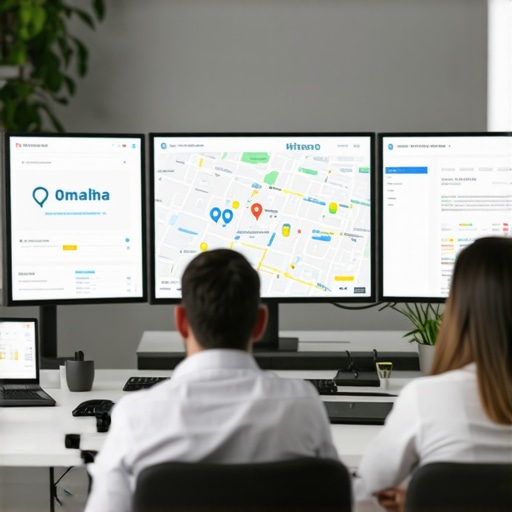
I remember the exact moment I realized my business was invisible online — despite pouring hours into my website and social media. It hit me hard when I noticed that potential customers in Omaha couldn’t find us on Google Maps, even though we were right here in the heart of Nebraska. That lightbulb moment made me reevaluate everything I was doing to attract local customers.
The Real Problem with Local Visibility
It’s frustrating. You know your business is good, even great, but if people can’t find you where they’re searching — especially on Google Maps — your growth stalls. And let’s face it: most folks look for local services online before they even consider picking up the phone or walking through the door. According to a recent study, over 70% of mobile searches lead to offline purchases, making local SEO and Google My Business (GMB) optimization critical for Nebraska businesses (source: Omaha Local SEO Tips).
Early on, I made a rookie mistake. I thought just creating a GMB profile was enough. Spoiler alert: it isn’t. Without proper optimization, you’re basically shouting into the void. This mistake cost me valuable time and lost opportunities. But once I learned the right strategies, everything changed.
Are Local Maps Optimization Strategies Actually Worth the Hype?
Honestly, I was skeptical at first. I wondered if all the fuss about Google Maps and local SEO was just hype. But I quickly discovered that a well-optimized GMB profile can be a game-changer. When done right, it boosts your visibility, drives more local traffic, and ultimately, grows your revenue. And trust me, the difference is night and day. If you’ve faced the same doubts, I get it. But the proof is in the results.
So, if you’re tired of being invisible online and ready to turn local searches into real customers, stay with me. I’ll walk you through proven strategies that took my business from obscurity to the top of Omaha’s local search results. Let’s get started on making your business impossible to ignore.
Get Your Business Found: Claim and Optimize Your GMB Profile
The first step I took was claiming my Google My Business (GMB) profile and filling out every detail meticulously. Think of your GMB profile as your digital storefront. If it’s incomplete, customers won’t know what you offer or how to find you. I made sure to verify my listing, add accurate contact info, and choose relevant categories. For example, I selected “Nebraska Bakery” instead of a generic “Bakery,” which helped local customers find us easily. To deepen your understanding, check out these Omaha GMB tips.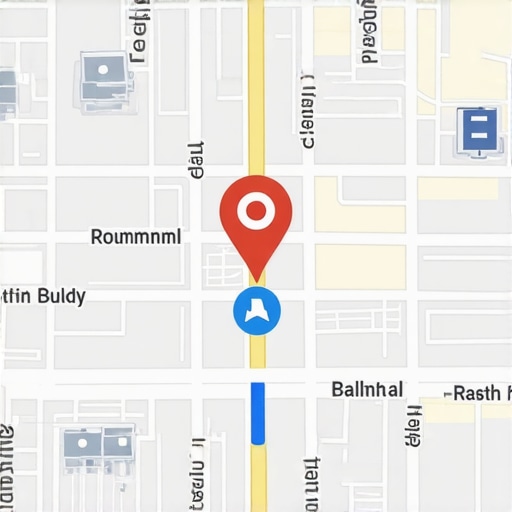
Optimize Every Element for Maximum Visibility
Next, I optimized my profile with high-quality photos, detailed descriptions, and accurate business hours. Just like a well-lit window draws people in, a compelling profile attracts clicks. Use descriptive keywords naturally within your business description—think about what local customers are searching for. I also added photos of our products and storefront, which boosted engagement. Remember, consistency in your NAP (Name, Address, Phone Number) across all online directories is crucial. This consistency signals to Google that your information is trustworthy. For more in-depth guidance, visit this resource.
Leverage Local Keywords to Dominate Search Results
In my experience, embedding local keywords into my profile and website content made a huge difference. I researched common search terms like “best pizza Omaha” and incorporated them into my business description, service lists, and posts. This is akin to planting flags on your digital turf, signaling to Google exactly where you serve. Use tools like Google Keyword Planner or SEMrush to identify high-traffic local phrases. For tailored Omaha-specific tips, see these optimization tips.
Encourage and Manage Customer Reviews
Reviews are social proof that build trust and influence rankings. I reached out to satisfied customers to leave reviews, making it a natural part of my customer service process. Responding to reviews promptly and professionally also signals active management to Google, which favors active profiles. I learned that more positive reviews not only boosted our local visibility but also increased our conversion rate. To learn more about managing reviews effectively, visit this guide.
Use Posts to Engage Local Audience
Regularly posting updates, offers, and events keeps your profile fresh and engaging. I shared weekly specials and community involvement stories, which encouraged interactions. These posts appear directly on your GMB profile and help you stay top of mind. Consider using keywords in your posts, and include calls to action like “Call today” or “Visit us in Omaha.” For effective post strategies, check this resource.
Monitor and Refine Your Strategy
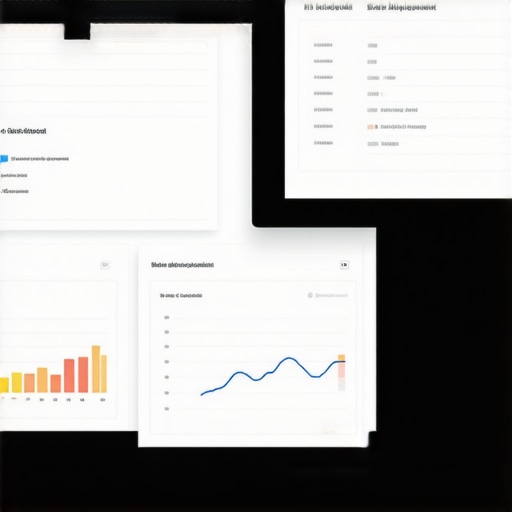
Finally, I used insights from Google My Business to track how customers found us and what actions they took. Analyzing this data allowed me to refine my keywords, update photos, and respond to reviews more effectively. Think of this step as a GPS for your local SEO journey—keeping you on the fastest route to visibility. For advanced monitoring techniques, explore these strategies.
Many local business owners fall into the trap of believing misconceptions that can undermine their efforts to improve visibility on Google Maps. Let’s dig deeper into some of these myths and reveal the nuances that can make or break your local SEO success.
Is Claiming Your GMB Profile Enough to Rank Higher?
Absolutely not. While claiming and verifying your Google My Business (GMB) profile is a crucial first step, it’s just the beginning. The real power lies in optimizing every element—adding accurate information, high-quality photos, relevant keywords, and encouraging reviews. Many think that simply claiming their listing will boost their rankings, but the truth is, ongoing optimization and active management are essential. For a comprehensive strategy, check out these GMB management tips.
Myth: Keywords Are All That Matter for Local SEO
While keywords are important, focusing solely on them is a common mistake. Google’s algorithms now prioritize user intent, reviews, engagement, and consistency across listings. Over-optimizing with keywords can even harm your rankings if it appears spammy. Instead, aim for natural, contextually relevant content that addresses your customers’ needs. For advanced insights, explore these optimization techniques.
What Do Experts Say About Your Business’s Online Authority?
According to SEO expert Neil Patel, Google’s local ranking factors increasingly favor trustworthiness and authority. This means that reviews, backlinks, and consistent NAP information build your credibility. Ignoring these signals can leave your profile underperforming, regardless of how well-optimized your profile is. The key is to cultivate genuine customer reviews and keep your information consistent across all platforms. For more on building authority, see this guide.
Have you ever fallen into this trap? Let me know in the comments. Remember, effective local SEO isn’t just about quick fixes; it’s about strategic, sustained effort that aligns with Google’s evolving algorithms. Stay informed, stay proactive, and watch your Omaha business thrive on Google Maps!
Once you’ve optimized your Google My Business profile and started attracting local customers, the next crucial step is ensuring that your efforts continue to deliver results over time. A well-maintained local SEO strategy relies heavily on the right tools and consistent practices. In this post, I’ll share the tools I personally recommend for managing and sustaining your local SEO presence, along with tips on how to keep everything working smoothly.
How do I keep my local SEO efforts running smoothly?
First, I rely on Google Search Console. It’s an invaluable resource for monitoring your website’s performance, fixing crawl errors, and understanding which queries bring visitors to your site. Regularly reviewing your GSC data helps you identify new keywords to target and ensures your site remains optimized for local searches. Additionally, I use SEMrush for local keyword research and competitor analysis. It provides insights into trending search terms in Omaha and Nebraska, helping me stay ahead of the curve. These tools allow for ongoing keyword refinement, which is essential as user search behavior evolves.
Another tool I swear by is BrightLocal. It consolidates local SEO metrics, tracks reviews, and audits your NAP consistency across directories. The reviews dashboard is especially useful for managing reputation — a key factor in local rankings. Keeping your reviews positive and responding promptly is a continuous task, and BrightLocal streamlines this process, saving me hours each month.
Why automating review monitoring matters
Reviews significantly influence local rankings and customer trust. I recommend setting up alerts through BrightLocal or similar platforms to notify you immediately when new reviews are posted. This way, you can respond quickly, showing potential customers that you care and actively manage your reputation. As reviews grow, it’s easy to overlook negative feedback, but timely responses can turn a bad review into a positive experience, boosting your credibility in Google’s eyes.
Forecasting future trends in local SEO management
Looking ahead, AI-driven analytics and automation tools will become even more vital. Machine learning algorithms can predict which optimization areas need attention before rankings drop, and automating routine tasks will free up your time for strategic growth. Staying updated with tools like these advanced strategies will ensure your local SEO remains resilient and competitive.
Finally, I encourage you to regularly audit your local SEO setup—checking for inconsistencies, reviewing analytics, and adjusting your tactics. A proactive approach ensures your business stays visible, relevant, and ready to capitalize on new opportunities. Try integrating one of these tools into your routine today and see the difference it makes in maintaining your local search presence.
< >
>
The Hardest Lesson I Learned About Local Maps Optimization
One of the toughest realizations was that a fully optimized GMB profile isn’t enough on its own; ongoing management and updates are essential for sustained visibility. I used to think once I set it up, I could forget about it, but Google’s algorithms are always evolving, and so should your strategy. This lightbulb moment taught me the importance of regular reviews and updates, which dramatically improved our local rankings.
3 Myths About Google Maps Optimization That Held Me Back
Believing that claiming your Google My Business profile was the magic bullet was a common misconception. The truth is, active engagement, reviews, and keyword optimization are what truly drive results. Also, I thought that keywords alone could boost my ranking, but I learned that user intent and trust signals matter more. Busting these myths was a game-changer for my approach to local SEO.
What Experts Won’t Tell You About Building Local Authority
Building genuine customer reviews and maintaining NAP consistency across all platforms are often overlooked yet critical. I discovered that these signals significantly influence Google’s trust in your business. Cultivating real engagement and managing your online reputation creates a solid foundation that outperforms superficial tactics. This insight transformed how I approached local SEO as a long-term investment rather than a quick fix.