Imagine this: after months of actively collecting reviews on your Omaha-based business’s Google My Business profile, you’re expecting that boost in local visibility. But instead, your rankings remain stubbornly stagnant. I remember the moment I realized I was doing everything right on paper—engaging customers, encouraging reviews, optimizing my profile—but still not climbing in the Google Maps pack. That gut-wrenching feeling of feeling invisible despite all my efforts was a lightbulb moment for me. It made me question, “What am I missing?”
The Real Reasons Your Omaha GMB Reviews Aren’t Boosting Your Rank
Many local businesses fall into the trap of believing that more reviews automatically mean higher rankings. While reviews are important, Google’s local algorithm considers numerous factors—like relevance, distance, and the quality of your profile optimization—that can overshadow review quantity. I used to focus solely on review collection, neglecting these other crucial elements. It’s a common mistake that I see many business owners make early on. For example, if your profile information isn’t accurate or your visuals aren’t appealing, reviews alone won’t propel you to the top.
Curious if your review strategy is enough? Check out this in-depth guide on why Omaha local map results look different and what you can do to adapt.
Beyond reviews, recent studies show that your profile’s completeness and engagement signals can have a larger impact than reviews alone. I learned this the hard way when I overlooked updating my business hours and uploading new photos. Suddenly, my rankings started to pick up because Google saw my profile as active and relevant.
One of the key issues I encountered was neglecting the importance of structured data and consistency across listings. Early on, I missed out on opportunities to optimize my keywords strategically within my GMB posts and descriptions, which, as experts suggest, can significantly influence local rankings. For a comprehensive approach, I recommend reviewing the 7 proven strategies for Omaha Google Maps SEO in 2024.Have you been facing this frustrating stalemate in your local SEO efforts? If so, you’re not alone, but the good news is there’s a systematic way to turn things around. Up next, I’ll share the step-by-step fixes that helped me finally climb those ranks—things I wish I had known when I started.
Prioritize Profile Completeness to Signal Relevance
Google rewards detailed, accurate profiles that mirror your real-world business. Fill out every section—business name, address, phone number (NAP), hours, and categories—with precision. I recall updating my Omaha boutique’s hours after a holiday shift, and within days, I saw increased visibility. This signals to Google that your profile is active and trustworthy, which can improve your ranking in local maps. Ensure consistency across your online presence to reinforce your relevance.
Optimize Your Business Description Strategically
Think of your business description as your elevator pitch to Google. Use targeted keywords naturally—think phrases like “best Omaha pizza” or “reliable Nebraska marketing agency”—without keyword stuffing. I once added a detailed local-centric description, and I noticed more local searches leading to my profile. Incorporate neighborhood names, services offered, and unique selling points. This helps Google match your profile with relevant local queries.
Upload High-Quality Photos Regularly
Visual content is crucial. Upload clear, professional photos of your storefront, products, team, and services. Remember, photos are ones of the first impressions customers have. I experimented with different images—before and after shots of my Omaha office renovations—and engagement increased. Rich visuals not only attract clicks but also tell Google that your profile is active. Aim for consistent uploads to maintain and boost your profile’s visibility.
Encourage and Manage Reviews Actively
While reviews are not the sole factor, they play a vital role. Ask satisfied customers to leave reviews—be specific, and remind them gently. Respond promptly to each review, whether positive or negative, to demonstrate engagement. I implemented a follow-up email request after service, which gradually increased my review count. Remember, genuine reviews enrich your profile’s social proof and can influence local rankings.
Implement Local Keywords into Posts and Services
Use your targeted keywords within GMB posts, service descriptions, and Q&A sections. This creates a thematic context that aligns your profile with local search intent. For instance, regularly posting about “Omaha’s top-rated catering service” helps Google associate your business with that keyword. I found that consistent keyword integration improved my profile’s local relevance.
Address Inconsistencies and Fix Errors Quickly
Errors like duplicate listings, outdated information, or broken links diminish your profile’s credibility. Conduct regular audits—check for duplicate profiles, incorrect addresses, or mislinked websites. When I identified a duplicate listing, I used these fixes to consolidate my profile, which immediately improved my local visibility. Keeping your listing error-free signals to Google that your profile is trustworthy and active.
Leverage Local Schema Markup for Enhanced Visibility
Structured data like schema markup helps Google understand your business details better. Implementing local schema on your website—such as address, opening hours, and services—mimics what your GMB profile communicates. This can lead to rich snippets in search results, making your profile stand out more. I added schema markup after a webinar, and in subsequent weeks, I observed an uptick in local inquiries.
Engage with the Community and Local Events
Participate in Omaha local events or sponsorships—then showcase these on your profile through posts. Google favors active businesses involved in their community. I sponsored a local charity event and shared updates on my GMB profile. This not only increased engagement but also signaled to Google my commitment to the local community, boosting my local map rankings.
Many Omaha business owners believe that adding reviews, updating profiles, and consistent posting are the keys to climbing the local map rankings. However, the real nuance lies beneath these surface tactics. Everyone fixates on reviewing and profile completeness, but few recognize that Google’s algorithm considers *relevance signals* that go beyond basic optimization. In fact, relying solely on review count can backfire if your profile isn’t aligned with *users’ actual search intent*. This is where misconceptions about local SEO get dangerous.
One common myth is that more reviews directly translate into higher rankings. While reviews do contribute, Google increasingly prioritizes *semantic relevance*—which involves aligning your profile’s keywords and context with what users are actually searching for. If your Omaha-based business isn’t integrating local-specific keywords naturally into your profile and posts, you’re missing the bigger picture. For example, simply asking for reviews mentioning ‘Omaha’ or your services might not be enough. You need to architecture your content and profile elements intentionally to reflect *local search patterns*. You can validate this by reviewing the latest local SEO insights in top Omaha SEO strategies.
Another trap many fall into is underestimating the importance of *structured data* and *intent signaling*. Think about it—Google’s algorithm is designed to match user intent with the most relevant businesses. If your profile lacks *local schema markup* or isn’t optimized for *local context*, your chances of appearing in the coveted top spots diminish, even if reviews are plentiful. Implementing these nuanced signals can be complex, but ignoring them results in missing out on significant visibility. For that, I recommend checking out these Omaha-specific SEO fixes.
**What about the advanced question – How can local relevance be quantified for maximum impact?** Experts suggest that Google measures relevance through a combination of keyword density, user engagement metrics, and spatial signals within the profile. To truly optimize, you must think beyond generic tactics and start analyzing what local competitors are doing differently—be it their keyword choices, photo themes, or engagement strategies. Recent studies, like those summarized in the Omaha map result variations, highlight how subtle relevance signals can influence rankings significantly.
In conclusion, the true depth of Omaha’s local maps optimization requires an understanding of relevance signals that go beyond reviews and basic profile management. Recognize the importance of semantic alignment, structured data, and intent-focused content. Falling into the myth that reviews alone will push you to the top is a common mistake that can cost you precious local visibility. Have you ever fallen into this trap? Let me know in the comments.Maintaining a robust Omaha-focused local SEO strategy requires more than just good intentions—it demands the right tools and consistent diligence. Personally, I rely on a combination of software and methods that have proven their worth over years of optimizing Google My Business profiles and local maps. One must prioritize tools that provide accurate insights, streamline updates, and help monitor long-term progress. In this article, I’ll share the specific equipment I use daily, why I trust it, and where I see local SEO tools heading in the future.
What tools can truly keep your Omaha SEO strategy on track?
First, I swear by BrightLocal for tracking local rankings and managing reviews. Why? Because it consolidates reviews from multiple platforms, offers comprehensive local rank tracking specifically tailored for Omaha businesses, and alerts me to new reviews automatically. It saves countless hours compared to manual monitoring and ensures I never miss an opportunity to respond—a crucial factor in boosting local relevance.
Another indispensable tool is Google Search Console. I use it to analyze how my website is performing in local searches, especially for maps-related queries. Its insights into search queries, click-through rates, and indexing issues help me optimize content for relevance actively. For example, if I notice a drop in Omaha-based traffic, I can quickly identify if structural issues or outdated schema are the culprits.
When it comes to managing my GMB profile, GenieScout has been a game-changer. It provides a centralized dashboard to handle multiple Omaha businesses, schedule posts, review insights, and ensure profile consistency—crucial as algorithm shifts like those outlined in recent updates in local map results influence rankings.
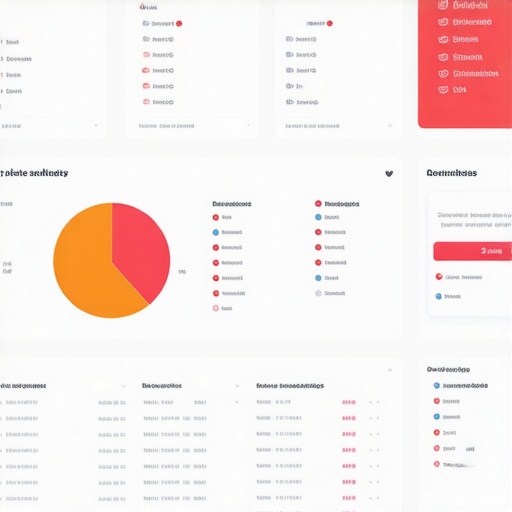
This image should showcase a screenshot of a local SEO dashboard with analytics tailored for Omaha, highlighting metrics like rankings, reviews, and engagement signals.
A tool I’ve recently adopted is Schema Pro. Schema markup is becoming even more critical in signals, as Google continues to favor structured data to assess relevance—another point emphasized in Matthew Woodward’s SEO insights. Automating schema implementation on my site ensures I’m signaling local schema accurately without daily manual edits. This proactive approach is vital since structured data can significantly influence your profile’s appearance in local searches.
Predicting where local SEO tools are heading, I see a rising trend in AI-powered automation. Future solutions will likely offer real-time optimization suggestions based on search intent shifts—like those discussed in 7 proven strategies for Omaha Google Maps SEO. Embracing automation tools now will position your Omaha business to stay ahead of algorithm changes.
How do I maintain Omaha local SEO success over time?
Consistency is key. Regularly updating your profile, monitoring ranking fluctuations, and responding promptly to reviews are non-negotiables. Use tools like BrightLocal and Google Search Console not only for initial setup but as lifelong companions. Set automated alerts for ranking dips or negative reviews, so you’re instantly aware of potential issues.
Moreover, incorporate structured data configurations into your website regularly. Schema Pro or similar tools streamline this process, ensuring your Omaha business profile remains signaling correctly as algorithms evolve. Remember, the more your signals align with current search patterns—like incorporating local keywords and engagement metrics—the better your chances of sustained visibility.
Be proactive. Regularly review competitors’ strategies through local rank trackers, and adjust your tactics accordingly. A single misstep in profile management can undo months of effort—so stay vigilant and leverage the right tools to keep everything under control.
Ready to level up? I highly recommend trying out Schema Pro for automating local schema markup. Implementing structured data correctly can boost your local map visibility substantially—don’t miss out on this advanced positioning tactic. Stay consistent, stay strategic, and let your tools do the heavy lifting for long-term Omaha local SEO success.
The Hardest Lesson I Learned About local maps omaha,omaha seo,nebraska business seo,google maps omaha,gmb omaha
One of the most profound realizations I had was that focusing solely on reviews and profile optimization is like building a plane but neglecting the runway—without relevance signals and structured data, your efforts won’t get off the ground. I once believed that accumulating reviews or uploading photos alone would rocket my Omaha business to the top; instead, I learned that aligning every element with local search intent was the game-changer. That lightbulb moment taught me to analyze the subtler signals Google considers, from schema markup to keyword synergy, to truly elevate my local map presence.
My Essential Toolkit for Omaha Local Map Mastery
If you’re serious about dominating Omaha’s local map results, these tools are your secret weapons. BrightLocal has been invaluable for tracking rankings and reviews specific to Omaha’s competitive landscape—trust me, knowing where you stand daily keeps you agile. Google Search Console is a must for deciphering how your website interacts with local searches, revealing how well your strategies are resonating with Omaha searchers. Additionally, I rely on Schema Pro to automate the integration of local schema markup, which has significantly enhanced my profile’s visibility. These tools, combined with ongoing community engagement, form a robust strategy that adapts to algorithm shifts and keeps your local SEO sustainable.
Keep Your Heart in the Game: The Pursuit of Local Excellence
The journey to Omaha local map supremacy is ongoing, not a one-time fix. Embrace the unpredictability and see every challenge as a chance to learn and refine your approach. Whether it’s responding to reviews with genuine care, updating your profile regularly, or experimenting with new local keywords, consistency fuels progress. Remember, algorithms evolve, but your commitment to authentic engagement and strategic optimization will define your long-term success. Let this be your motivation: the path to becoming a local map leader isn’t reserved for big brands—it’s for those willing to adapt, listen, and persist.
️
Your Step to Take Action Today
If you’re ready to deepen your Omaha local SEO efforts, start by auditing your profile for relevance signals. Are your structured data, reviews, and keywords aligned with local search intent? Use the tools I mentioned to uncover hidden opportunities and eliminate lingering errors. Some of the most overlooked issues—like duplicate listings or outdated schema—can silently sabotage your rankings. Begin today, and watch as your profiles not only climb the ranks but also foster genuine connections within your community. Your Omaha business has what it takes—it’s time to show Google and your customers that you’re the real local hero. How are you planning to enhance your local map visibility this month? Drop your ideas below, and let’s grow together.
One comment
This post really hits home for me because I’ve also struggled with the belief that more reviews would automatically lift my Omaha business in local rankings. What resonated most was the emphasis on profile completeness and relevance signals—things I underestimated initially. I found that regularly updating my Google My Business profile with new photos, accurate hours, and localized descriptions made a significant difference. It’s interesting to see how Google’s algorithm evolves to prioritize active, relevant profiles over just review counts.
I’m curious, for those managing multiple profiles, how do you ensure all your listings stay consistent and optimized without it becoming overwhelming? Do you use any tools that help streamline this process? I’ve been using BrightLocal to monitor reviews and rankings, but I wonder if there are other strategies or tools that can make managing high volumes of local profiles more efficient. Keep up the great insights!