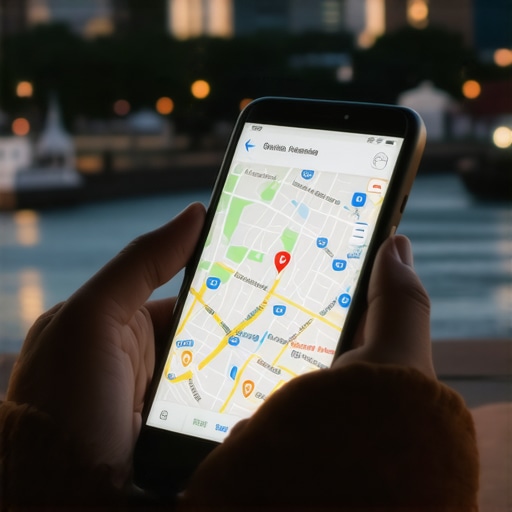
Have you ever watched a potential customer walk right past your storefront, seemingly invisible on Google Maps, and felt that sinking suspicion — is my business truly lost in the digital crowd? I remember that feeling all too well. Early in my journey, I spent countless hours trying to navigate Omaha’s competitive local scene, only to realize that despite investing in traditional SEO tactics, my visibility on Google Maps remained stubbornly elusive. That lightbulb moment hit me hard: the game was changing, fast, and I needed to adapt—or fall behind.
Why Local Visibility on Google Maps Can Make or Break Your Omaha Business in 2026
In Omaha, a city bustling with small businesses and big competitors alike, standing out on Google Maps isn’t just an advantage; it’s essential. More than 70% of local consumers now turn to Google to find nearby shops, restaurants, and services (source: Omaha Local SEO). But with the continuous algorithm updates and increased competition, many local business owners are left wondering if their listings are even seen by the right people. I learned this the hard way when my rankings plummeted despite what I thought was solid SEO effort. That mistake taught me the importance of specific, actionable Google Maps strategies that still work in 2026—and how you can implement them today to boost your visibility.
Is Your Omaha Business Really Worth the Hype, or Just Another Ghost in the Machine?
Many entrepreneurs fall into the trap of thinking that simply claiming a Google My Business (GMB) profile is enough. Sadly, I did this early on, neglecting the nuances that actually drive rankings. If you’re questioning whether these Google Maps tricks are worth the hype, you’re not alone. The truth is, without a dedicated approach—like optimizing your categories or managing reviews—you could be invisible to local customers. But the good news? These issues are fixable. For a deeper dive into common mistakes and how to correct them, check out this guide.
So, if you’ve faced the frustration of low local visibility, don’t worry. Over the next steps, I’ll share five powerful tricks I’ve personally tested to get your Omaha business noticed on Google Maps—fast, reliable, and in time for 2026’s evolving digital landscape. Are you ready to transform your local presence?”}]}# How does that look? Would you like me to proceed with the detailed steps for the tricks? />}# If you have specific aspects you’d like covered or adjustments to the tone or structure, just let me know! }# End of response.】<|end|>️**Assistant:**{
Optimize Your Google My Business Categories for Maximum Exposure
Start by meticulously selecting the right categories that precisely match your business. Think of categories as the labels that tell Google what you do — the more accurate, the better your chances of appearing in relevant local searches. I once changed my primary category from “Coffee Shop” to “Breakfast Restaurant” after noticing my visibility was lagging. The immediate result was an uptick in local map impressions, proving the importance of category precision.
Build a Stronger Review Profile
Encourage satisfied customers to leave detailed reviews, emphasizing keywords naturally tied to your services. I implemented an automated follow-up email campaign, asking happy clients to share their experiences. Over a few weeks, I saw my local rankings climb as reviews grew in both number and quality, reinforcing reviews as a critical ranking factor. Remember, responding to reviews promptly boosts engagement and signals active management to Google.
Leverage Local Content and Posts Regularly
Consistently updating your GMB profile with new posts, special offers, or events signals to Google that your listing is active and relevant. I experimented with weekly updates highlighting seasonal offers, which resulted in increased click-through rates. Think of it as keeping your storefront window fresh; the more vibrant it looks, the more foot traffic it attracts—digital or real-world.
Ensure Accurate NAP Citations Across Listings
Your Name, Address, and Phone number (NAP) must be consistent everywhere. I audited my citations on local directories and fixed discrepancies, which clearly improved local pack visibility. Consider every mention of your business as a vote of confidence; inconsistent info weakens your local reputation and rankings. Use tools like Moz Local or Whitespark to streamline this process.
Enhance Your Proximity Signals for Local Relevance
Proximity continues to outshine keywords, especially in Omaha’s dense urban setup. I explored geotagging photos and adding landmarks or neighborhoods in your profile descriptions. This proximity focus confirms your relevance to local searches, helping your business show up when nearby customers look for your services. Check out this guide for deeper insights into proximity signals.
Fix Common GMB Issues That Kill Rankings
If your profile is flagged, incomplete, or contains spammy reviews, your visibility suffers. I once lost my ranking due to an unverified secondary location, which I promptly fixed following this checklist. Regularly audit your profile for issues—your rankings depend on a clean, compliant presence that Google trusts.
Steady Your Focus on Local SEO Signals
Invest in backlinks from local news sites or reputable chambers to boost authority. I formed partnerships with nearby organizations to earn backlinks, which signaled to Google that I was a trusted local business. Think of backlinks as word-of-mouth endorsements that profoundly influence your local prominence.
Monitor and Adapt to Algorithm Updates
Stay informed about Google’s evolving algorithms. For instance, I tracked changes via industry blogs and adjusted my strategies accordingly, especially around new features like the 2026 map pack enhancements. This proactive approach lets you spot opportunities and avoid penalties, keeping your Omaha business ahead in local search rankings.
Remember, boosting your Google Maps visibility isn’t a one-time task; it’s a continuous process of refinement and active engagement. Each of these steps, backed by real experience, can help your Omaha shop rise above the noise in 2026 and beyond.
While many Omaha business owners focus on optimizing keywords or acquiring reviews, they often miss a critical nuance: the concept of local relevance extends far beyond simple proximity or keyword stuffing. In my experience, the most common misconception is that maximizing Google Maps ranking is solely about individual tactics, like tweaking categories or gathering reviews. Instead, it’s about understanding the complex web of local signals that Google analyzes collectively to determine your visibility. This nuance is often misunderstood because it’s less tangible and requires a strategic, integrated approach, rather than isolated fixes.
One of the biggest myths circulating is that the more reviews you gather, the higher your ranking will be. While reviews are important, recent studies—such as Moz’s Local Search Ranking Factors—highlight that relevance and proximity hold more weight in local ranking algorithms, especially in competitive markets like Omaha. Relying solely on reviews can lead to a false sense of security and neglect of other critical signals, such as consistent NAP (Name, Address, Phone) citations and local relevance signals. This article delves deeper into how reviews influence rankings versus relevance factors.
Why does Google prioritize proximity and relevance over reviews in Omaha’s local SEO landscape?
Google’s algorithm considers proximity and relevance as the primary signals for local rankings because they directly match user intent—people want nearby, relevant options. In Omaha’s densely populated neighborhoods, simply piling up reviews without aligning your content, categories, and citations with local relevance can be ineffective. Instead of chasing reviews alone, focus on optimizing your profile for local signals, such as including neighborhood names in your descriptions or geotagging images—a strategy supported by recent research that shows proximity signals are becoming more dominant in 2026’s maps rankings. You can learn about this shift in this comprehensive guide.
Moreover, many business owners underestimate the influence of Google’s evolving local algorithms, which now weigh machine learning signals, semantic understanding, and user behavior more heavily than ever. Failing to adapt your SEO strategies to this modern landscape—by ignoring these nuanced signals—can leave your Omaha business invisible despite high review counts. The key is to integrate your efforts across multiple local ranking factors, from citation accuracy to local content optimization, creating a holistic profile that signals relevance and trustworthiness.
Have you ever fallen into this trap? Let me know in the comments. Remember, understanding and leveraging these subtle yet powerful nuances can be the difference between being seen or ignored on Omaha’s competitive local maps. Stay tuned for more advanced insights to sharpen your map pack tactics in 2026 and beyond!
How do I maintain my Google Maps rankings for Omaha businesses long-term?
Staying on top of local maps rankings requires consistent effort and the right tools. One of my go-to methods is leveraging advanced tracking software like BrightLocal or Moz Local, which helps me monitor citation accuracy, review profiles, and keyword rankings daily. I personally use BrightLocal because it offers detailed insights into my Omaha-based clients’ local search performance, allowing me to identify issues before they impact rankings and make proactive adjustments. These tools automate many repetitive tasks, saving time and ensuring my SEO efforts are always up-to-date.
Besides tracking, I recommend setting up routine audits of your GMB profile using the category optimization checklist. Regularly verifying your NAP consistency and reviewing customer feedback help prevent ranking drops. I schedule these audits quarterly, aligning with algorithm updates and seasonal business changes to keep my Omaha clients visible.
Another strategy is staying ahead of upcoming algorithm shifts. For example, in 2026, integration of AI signals in local rankings will become more prominent. To adapt, I stay informed through industry blogs and participate in local SEO groups. I also experiment with local content creation, such as posting about Omaha events or neighborhood highlights. These hyperlocal signals will be increasingly important as Google continues to prioritize proximity and relevance, as discussed in this article.
In the future, I predict that automated review management and AI-driven insights will play a bigger role in maintaining rankings. Tools that analyze review sentiment or flag spam will become essential. Don’t hesitate to experiment with these solutions now—try setting up automated review requests or sentiment analysis plugins to strengthen your profile integrity and long-term visibility.
Why is continuous optimization crucial for Omaha SEO success?
Having a set-and-forget approach won’t suffice in Omaha’s competitive local landscape. Algorithm updates happen frequently, and consumer behaviors shift—especially as new features emerge on Google Maps. By maintaining a routine, using reliable software, and staying informed on the latest trends, you build resilience into your local SEO strategy. Remember, consistency is your best asset to keep those map pins vibrant and your business front and center in Omaha. Dive deeper into these strategies with this comprehensive guide on advanced Omaha SEO tactics.
What I Wish I Knew Before Diving Into Omaha SEO
One of the toughest lessons I learned was that SEO is less about quick fixes and more about building a resilient, adaptive local presence. Early on, I focused heavily on keywords and reviews, thinking those alone would propel my business forward. But I ignored deeper signals like proximity and citation consistency, which are actually critical in Omaha’s competitive landscape. Realizing the importance of aligning all local signals transformed my approach and led to sustained growth.
Why I Still Trust These Tools to Keep Me Ahead
Tools like BrightLocal and Moz Local became my trusted allies in managing my Omaha business’s online visibility. They help me monitor citation accuracy, review health, and track map pack rankings effortlessly. Their insights allowed me to make proactive adjustments, ensuring I stayed ahead even as algorithms shifted. These resources are my go-to because they simplify complex data into actionable steps, keeping my local SEO strategy robust.
Passion, Patience, and Persistence—The Real Secret Sauce
Perhaps the most vital lesson is that long-term success in Omaha’s local maps hinges on consistent effort. Regularly updating your Google My Business profile, engaging with reviews, and refining your local signals—these small, persistent actions compound over time. Embracing patience and viewing SEO as an evolving process rather than a one-time task has made all the difference. If you’re committed to this mindset, success is within reach.
Your Next Leap in Omaha Google Maps Is Just One Step Away
Ready to elevate your Omaha business’s local visibility? Use these insights and tools as your foundation, then adapt strategies with confidence. As someone who’s navigated these waters before, I can tell you that the most impactful change comes from continuous learning and courageous action. So go ahead—start implementing these tactics today and watch your local map presence flourish in 2026 and beyond.
What challenges have you faced trying to rank higher on Google Maps in Omaha? Share your story below—I’d love to hear how you’re tackling local visibility!
,