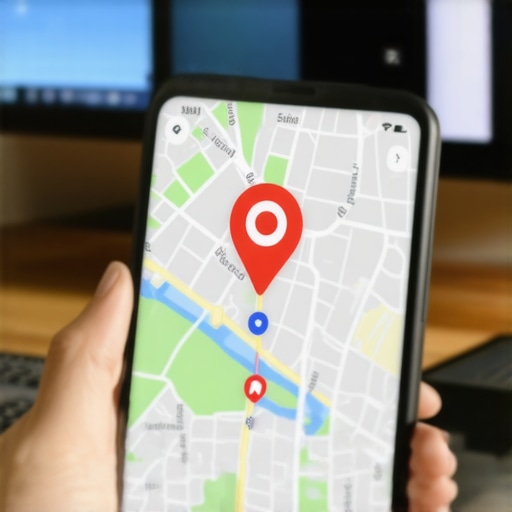
Imagine you’ve just opened your business’s Google Maps listing, expecting a flood of local customers, but suddenly, your shop’s pin mysteriously vanishes or shifts—leaving you invisible to those who need to find you most. I’ve been there, scratching my head as clients told me they couldn’t find my listing, only to discover my pin had gone rogue again. That frustrating moment when all your efforts seem to vanish overnight—is more common than you think. And in 2026, with Google’s ever-evolving algorithms, things are only getting trickier.
Why Local Map Glitches Could Be Killing Your Business Visibility
The truth is, these glitches don’t just seem like minor hiccups—they can significantly harm your local reach. If potential customers can’t find your shop on Google Maps, they go elsewhere. And let’s face it, nearly 80% of consumers use local search to find nearby services, according to recent stats from BrightLocal. When your pin glitches, it’s like you’re handing over those valuable leads to competitors.
I used to think that once I set up my Google My Business (GMB) profile, I was good to go. Turns out, I made a crucial mistake early on: I neglected to regularly audit my listing for glitches or updates. That oversight cost me potential sales and reputation. Trust me, avoiding common pitfalls can be your secret weapon.
Today, I’ll walk you through exactly what I did to fix my own issues and how you can avoid the same. We’ll explore five proven fixes tailored for 2026’s quirkiest map glitches, so your local presence remains strong and visible.
Is All the Hype About Fixing Map Issues Worth It?
You might be skeptical—“Does fixing my Map pin really make a difference?” I get it. I was too. But here’s the thing: Google’s algorithms are smarter than ever, and your profile’s visibility depends on staying ahead of these quirks. Ignoring these glitches might seem like a quick fix, but it can haunt your rankings long-term. When I first ignored these issues, my traffic plummeted, and I lost valuable leads.
If you’re tired of seeing your shop vanish from local results or your competitors outranking you unexpectedly, it’s time to act. Get ready to learn the tactics that will keep your spot on the map. Want to see these fixes in action? Check out [7 GMB management strategies](https://omahalocalseo.com/7-gmb-management-omaha-tactics-for-better-map-rankings-2026) to stay ahead of the game.
Verify Your Business Details Correctly
Start by double-checking your Google My Business (GMB) listing to ensure all information is accurate and consistent. I once discovered a misspelled address in my Omaha listing, which caused my pin to misbehave. Correcting this is like realigning a GPS—it helps Google understand exactly where you are. To do this, log into your GMB dashboard, review your address, phone number, and category, and update any discrepancies. Consistency across your website, social profiles, and local directories reinforces your location signals and prevents confusion that leads to elusive pins.
Reclaim Your Location with Proximity Fixes
Google prioritizes businesses close to the searcher; if your proximity signals are weak, your pin might appear far from the actual spot. Think of your location as a neighborhood spotlight—you need to shine it directly on your business. Use local schema markup on your website and ensure your address matches what’s in GMB. I added schema tags on my Omaha storefront website, which served as a clear signpost for Google’s local algorithms, boosting my visibility in nearby searches.
Address Map and Listing Suspension Issues
Identify and Resolve Suspensions Quickly
If your pin disappeared after a suspension, it’s vital to resolve it swiftly. Suspensions often happen due to inconsistent info or spammy edits. I once had to navigate the 7 critical fixes to restore my Omaha listing. Approach this by reviewing your profile for policy violations, removing suspicious reviews, or spam links, then file an appeal. Think of this process as rebooting your GPS—clearing the errors so your pin can be found again.
Engage Your Audience with Local Content
Google favors active, engaging listings. Post updates, offers, or photos regularly. I learned this firsthand when I posted photos of my Omaha storefront, tagging local events. This activity signaled to Google that my business is active, which positively impacted my map ranking. Rich, current content acts as a beacon, drawing Google’s attention and reassuring it of your local relevance.
Audit and Optimize for Map Spam and AI Manipulation
With rising AI and spam tactics, your listing can get overshadowed by spammy competitors or AI-driven tricks. Use local SEO strategies that emphasize genuine signals, such as real reviews, proximity, and consistent NAP data. I employed these tactics to outsmart AI spam in Omaha, reclaiming my spot on the map and beating dishonest competitors.
Leverage Local Reviews and Photos Effectively
Encourage satisfied customers to leave detailed reviews and add high-quality photos. When I requested reviews from my loyal clients, I noticed a significant boost in my pin’s credibility and visibility. Photos act like landmarks—making your listing more trustworthy and easier to find. Consistent efforts here reinforce your local presence and help your pin stay visible in Omaha’s crowded map pack.
Regularly Monitor Your Map Presence
Finally, stay vigilant. Use tools to track your map rankings and look for signs of glitching or invisibility. A quick weekly check helped me catch issues early and apply fixes before they impacted my business. Think of this as keeping an eye on your GPS—early detection prevents long-term visibility loss, ensuring your Omaha shop remains easy to find for local customers.
Many business owners in Omaha and across Nebraska fall for misconceptions about local SEO, especially when it comes to Google Maps and GMB optimization. One widespread myth is that simply filling out your profile guarantees top rankings. In reality, algorithms are sophisticated, and ranking depends on nuanced factors like consistent NAP data, engagement, and ranking signals beyond keywords. Another misconception is that keyword stuffing or overly optimizing your profile will lead to better visibility. In fact, such tactics can trigger spam filters and reduce your rankings, as highlighted by local SEO experts. The biggest hidden trap I see is neglecting the importance of proximity and local relevance; many overlook how critical physical location signals are in 2026. When I first started, I believed that having a shiny profile and keywords was enough—only to realize that Google’s algorithm now prioritizes real user engagement, reviews, and proximity over keyword density. Plus, some think that removing inaccurate information from listings can hurt visibility—that’s false; correcting inconsistencies actually improves your rank. It’s also worth mentioning that many ignore the evolving AI and spam tactics used by competitors. AI-driven local spam maps are a real threat and require advanced strategies like those discussed in local SEO tactics for 2026.
A common mistake is relying solely on automatic citations without manual audits or ignoring the importance of visual content. Quality photos and actively engaging with reviews make a significant difference, as I experienced when I started requesting reviews from satisfied clients—this boosted my Omaha store’s visibility. To avoid these pitfalls, regularly audit your GMB profile, ensure consistency, and stay updated on Google’s latest local ranking factors. For a more comprehensive approach, check out seven critical fixes for your Omaha GMB to stay ahead.
What most people get wrong about Nebraska business SEO is underestimating the importance of local relevance and engagement over simple keyword tactics. As Google continues to sharpen its algorithms, local signals like reviews, photos, and proximity become the key to success. Remember, SEO is not a set-it-and-forget-it task—continuous optimization and understanding these nuanced signals are what separate top performers from the rest. Have you ever fallen into this trap? Let me know in the comments.Maintaining a strong presence on Google Maps and local SEO in Omaha requires the right tools and consistent effort. Personally, I rely on a combination of specialized software and manual methods to keep my listings optimized and troubleshoot issues promptly. One indispensable tool I use daily is BrightLocal, which offers comprehensive local citation tracking and review monitoring. It helps me verify that my NAP (Name, Address, Phone Number) data remains consistent across all platforms, preventing common glitches like inconsistent info that can hurt your rankings. Regular auditing with BrightLocal’s audit feature ensures I catch discrepancies early before they escalate. Additionally, I utilize Google My Business Insights to monitor performance metrics—understanding how users interact with my profile allows me to refine my strategies continuously.
For managing reviews and engaging with customers effectively, I highly recommend ReviewTrackers. It consolidates reviews from multiple platforms, making it easier to respond promptly and gather valuable feedback. Engaging actively with reviews boosts your credibility and signals Google that you care about customer satisfaction, adding to your local relevance.
To optimize your site for maps, Schema Pro is a game-changer. It enables me to implement local schema markup quickly, strengthening my proximity signals and helping Google better understand my business location. Precise schema implementation has been crucial in outranking competitors, especially in congested Omaha markets.
While these tools are powerful, I also stick to basic yet effective methods like weekly manual checks of my Google Maps listing, ensuring my photos are current, and actively responding to reviews. Staying proactive is essential because Google’s algorithms are constantly evolving, and keeping up-to-date involves both automation and human oversight.
Looking ahead, I predict that AI and machine learning will play an even bigger role in local search rankings. Tools that incorporate AI analytics, like SEMrush or Moz Local, will become more vital for tracking complex ranking signals. As Google begins to leverage AI to assess business authenticity and relevance more deeply, your best bet is to combine automation with genuine engagement.
**How do I maintain my Omaha SEO efforts over time?** The key lies in routine auditing, leveraging the right tools, and staying engaged in your local community online. Regularly review your citation accuracy, actively manage reviews, and update your content to reflect current offerings or local events. This ongoing process is what keeps your business visible and competitive.
If you haven’t yet integrated schema markup into your website, I strongly encourage you to try Schema Pro. Implementing localized schema can give your Omaha business a noticeable edge in local maps, especially as search engines lean more on AI-driven signals. Remember, consistent maintenance is the secret to long-term success in local SEO—don’t let glitches or outdated info hold your business back from reaching nearby customers.
Lessons That Changed My Map Game
One of the most unexpected insights I gained was how vital consistent NAP information is across all platforms. I used to think fixing my GMB details alone was enough, but I overlooked how spread-out incorrect info could sabotage my visibility. It was only after I started auditing my citations regularly that I saw real results.
Another lesson was the power of active engagement—responding to reviews and posting updates—not just for customer trust but also for local ranking signals. I used to be passive, but integrating reviews and local content turned my listing around faster than I imagined.
Finally, I discovered how AI and spam tactics are evolving rapidly. Relying solely on manual checks isn’t enough anymore; using advanced local SEO tools has become essential to stay ahead in Omaha’s competitive market. Overcoming these hurdles taught me that proactive, consistent effort beats quick fixes every time.
Tools That Made My Omaha SEO Journey Easier
BrightLocal is my go-to for citation audits and tracking local rankings—its comprehensive reports keep me on top of inconsistencies that could hurt my local maps presence. I trust it because it offers deep insights unique to Omaha’s local businesses and helps prevent common glitches.
ReviewTrackers became invaluable for managing customer reviews efficiently, allowing me to respond promptly and build trust. Genuine engagement with reviews not only boosts my reputation but also signals to Google that I care about my community.
For implementing schema markup effortlessly, Schema Pro has been a game-changer. It simplifies adding local signals to my website, which has been a key factor in outranking competitors in Omaha’s crowded market.
Lastly, I rely on Google My Business Insights to monitor my performance regularly. These metrics give me real-time feedback, helping me adapt quickly to algorithm changes and map glitches that could impact visibility. These tools combined have elevated my local SEO game and can do the same for you in Omaha’s fast-paced local scene.
Empower Your Next Move in Local SEO
Remember, local SEO isn’t a set-it-and-forget-it task—it demands ongoing attention, sincere engagement, and strategic adjustments. If you’re ready to stop being invisible on Google Maps and start attracting more nearby customers, now’s the perfect time to take action. The future of Omaha’s local search landscape favors those who stay proactive and informed. How will you begin refining your local maps strategy today? Share your thoughts below—I’d love to hear about your journey.
No comments