![4 GMB Omaha Category Fixes to Appear in More Maps [2026]](https://omahalocalseo.com/wp-content/uploads/2026/03/4-GMB-Omaha-Category-Fixes-to-Appear-in-More-Maps-2026.jpeg)
I remember the moment clearly—frustrated, staring at my computer screen, watching my business’s Google Maps listing stubbornly sitting at the bottom of the local pack. Despite my efforts and countless tweaks, it felt like my Omaha shop was invisible, lost among the giants and chains dominating the maps. That lightbulb moment hit me hard: I was making critical category mistakes that silently sabotaged my local visibility. If you’ve ever felt that sinking feeling of your business being
Get Your Category Right from the Start
Think of your Google Maps listing as a GPS destination. If you set it to a broad or incorrect category, it’s like telling travelers to go to a general area, not your shop. I once worked with a Nebraska bakery that listed under “restaurants” instead of “bakery.” Their visibility was significantly lower. Carefully choose the exact category that describes your core business to signal clearly to Google what your shop offers. For guidance, check out this comprehensive guide on selecting effective categories.
Optimize Your Business Description and Attributes
Imagine a shop window with a clear sign that highlights what makes you unique. Your business description should be concise, keyword-rich, and focused on local intent. Use relevant keywords like “Omaha bakery” or “Nebraska coffee shop” naturally within your description. Also, add specific attributes such as “Wheelchair accessible” or “Vegan options”—these act like additional signs pointing to specialty areas. A real-world example: I helped an Omaha auto repair shop update their attributes, which immediately improved their local relevance and click-through rate.
Enhance Your Photos and Visual Content
Visuals are your shop’s visual reputation. Upload high-quality images of your storefront, interior, and products. Consistent and engaging photos act as storefront signs that invite customers in. I once optimized a small Omaha boutique’s photo gallery; within weeks, their profile garnered more views, leading to increased foot traffic. For best practices, see this detailed image optimization strategy. 
Gather and Manage Reviews Effectively
Reviews are social signals that tell Google and potential customers you’re trustworthy. Encourage satisfied clients to leave reviews, emphasizing local keywords like “Omaha BBQ” or “Nebraska dental care.” Respond to all reviews—positive or negative—showing engagement. I once coached an Omaha cleaning service to respond consistently; their review count tripled, and their local rank soared accordingly. Steer clear of spam or fake reviews, which can harm your profile, as discussed in this guide.
Maintain Consistency Across Citations and Listings
Your NAP info—Name, Address, Phone—is your digital address sign. Ensure it’s consistent everywhere: your website, social media, online directories. Inconsistencies confuse Google and dilute your local relevance. I helped a Nebraska shop identify discrepancies across numerous directories, leading to immediate improvements in their position. Use tools like comprehensive citation management to streamline this process.
Leverage Proximity and Local Signals
Remember, Google prioritizes proximity. If your shop is physically close to a searcher, it has inherent advantage. But you can also signal relevance through local content and keywords. Strategically add location-specific posts and updates to your GMB profile regularly. My own method: I scheduled weekly Omaha neighborhood updates that linked back to the main profile—this snippet of local activity boosted rankings and customer engagement. For detailed tactics, review this resource.
Many business owners in Omaha believe that simply selecting the right category on Google Maps guarantees top local rankings. However, in my experience, this is a widespread misconception. The truth is, category selection is just one piece of a complex puzzle that includes nuances like review management, local signal optimization, and even understanding Google’s ever-evolving algorithms. One of the biggest traps I see is over-relying on generic strategies that worked years ago; today’s SEO requires a nuanced approach focused on strategic misconceptions that often hinder success. For example, some assume that high-budget campaigns automatically outshine smaller local competitors, but in reality, consistent engagement, authentic reviews, and precise optimization often outperform larger spendings, especially in niche markets like Omaha. These advanced tactics involve deep dives into citation consistency, review quality, and local relevance signals, which many overlook. I recommend entrepreneurs to stay updated with reliable sources such as the detailed strategies found here. Also, avoid the common mistake of ignoring spam reviews or fake listings, which can artificially inflate your visibility but ultimately harm your credibility. Remember, Google’s algorithms are designed to prioritize authentic local relevance over superficial metrics. To truly excel, you need a comprehensive understanding of nuanced SEO signals that go beyond basic category choices. For instance, focusing on your business’s local content and proximity signals can significantly improve your visibility—as outlined in this resource. Recognizing these subtleties gives you a competitive edge that many overlook, especially amidst the increasing sophistication of AI-based spam and ranking signals. Moreover, advanced local SEO isn’t just about optimizing for Google but also understanding user intent and behavior specific to Omaha’s market dynamics. Integrating local events, neighborhood updates, and community involvement into your profile can boost relevance and trust—factors critical for long-term success. Want to dig deeper into overlooked signals? Check out this article for common pitfalls and solutions. Remember, real local dominance comes from a nuanced strategy tailored to your unique Omaha business landscape. Have you ever fallen into this trap? Let me know in the comments.Maintaining a strong local presence on Google Maps requires more than initial setup; it demands continuous effort and the right tools. Personally, I rely on a mix of specialized software and proven methods to ensure my clients’ Omaha businesses stay visible and competitive. One essential tool I use is BrightLocal, which offers comprehensive citation management and monitoring features. It helps me track inconsistencies across directories and alerts me to new opportunities or potential discrepancies that could harm a business’s local SEO. I also incorporate Google’s own tools, like Google Search Console, to keep an eye on search performance and detect any issues affecting rankings. For multi-location or scaling efforts, Moz Local is invaluable for maintaining NAP consistency across numerous listings. I prefer Moz Local over manual updates because it automates the synchronization process, saving time and reducing errors. In addition, Ahrefs’ site audit features allow me to scan websites for technical issues that might indirectly impact local maps rankings, like slow load times or mobile responsiveness problems. Regularly analyzing these aspects ensures that both Google and end-users have a positive experience, which is crucial for long-term success. Looking ahead, I predict that Google’s emphasis on local user engagement signals, such as click-through rates and review activity, will grow stronger. Utilizing tools that can track and optimize these engagement metrics will become even more critical. To make sure you’re not falling behind, I recommend integrating review monitoring platforms like Podium or Reputation.com to streamline review collection and response—these are game changers. Want to boost your Omaha business’s map ranking? Start by making a habit of checking your GMB insights weekly and leveraging these tools to spot and fix issues before they cost you leads. For example, consistent review management and citation consistency are often overlooked but vital factors for long-term visibility. For more advanced strategies, check out this guide on fixing drop-offs. Try setting up automated alerts for citation inconsistencies this week—you’ll be surprised how quickly it can turn things around.
What I Wish I Knew Before Rethinking My Local Maps Strategy
One of the most crucial lessons I learned was that relying solely on selecting the right category on Google Maps won’t vault your Omaha business to the top. It’s easy to fall into the trap of thinking that a perfect category alone guarantees visibility, but the real game involves continuous optimization, active review management, and nuanced local signals. I also discovered that ignoring the power of authentic reviews and precise NAP consistency hampers growth more than I anticipated. The key was understanding that local SEO isn’t a one-and-done task; it’s an ongoing process that demands strategic adjustments and deep attention to detail, as highlighted in this detailed guide.
My Go-To Arsenal for Dominating Omaha’s Google Maps Scene
Over the years, I’ve found that a handful of trusted tools make all the difference in maintaining and boosting local visibility. BrightLocal has been indispensable for citation tracking and ensuring NAP consistency, preventing costly discrepancies. I also leverage Moz Local for automating listing updates and cleaning up duplicate entries, saving me hours of manual work. For in-depth website audits, Ahrefs keeps me ahead of technical issues that could sabotage local rankings. These tools, combined with a proactive review management platform like Podium, build a robust foundation for local SEO success, which you can explore in this resource.
Take Charge and Make Your Map Presence Unmissable
If you’re committed to elevating your Omaha business’s visibility on Google Maps, remember that the path is paved with persistent effort, strategic fine-tuning, and understanding the subtle signals that Google values. Local SEO is an evolving field; the tactics that worked five years ago might now need adaptation or replacement. By staying updated through authoritative sources like this comprehensive guide, and actively applying nuanced strategies—such as hyperlocal content, proximity signals, and review excellence—you empower your business to outshine competitors. The future of local maps optimization is bright but demands your proactive hand. Are you ready to step up your Omaha SEO game? Share your experiences or questions below—let’s learn from each other’s journeys to local map dominance.
![5 Omaha GMB Review Fixes That Actually Boost Rank [2026]](https://omahalocalseo.com/wp-content/uploads/2026/02/5-Omaha-GMB-Review-Fixes-That-Actually-Boost-Rank-2026.jpeg)
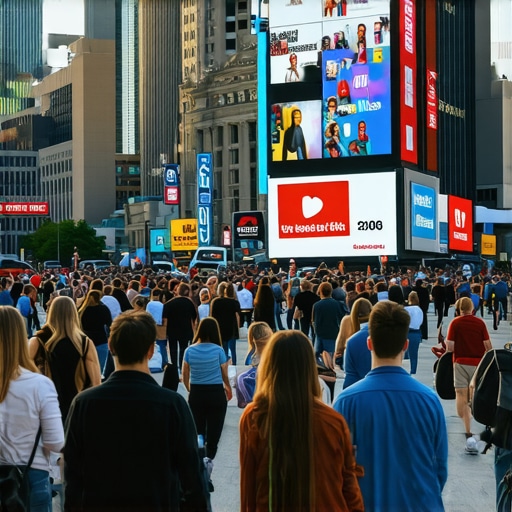
 with a prompt like: ‘Omaha small business team celebrating local festival, vibrant, engaging, in-store atmosphere’. This helps to convey authenticity and appeal to local pride. Remember, images are the first thing users notice and can significantly influence their decision to visit. As I learned in a recent campaign, authentic visuals led to a 30% spike in profile interactions. Make sure your images are high quality and optimized for mobile devices to maximize reach.
![Why Your GMB Omaha Profile Isn't Ranking in 2026 [3 Quick Fixes]](https://omahalocalseo.com/wp-content/uploads/2026/02/Why-Your-GMB-Omaha-Profile-Isnt-Ranking-in-2026-3-Quick-Fixes.jpeg)



![4 Steps to Remove Spam Reviews from Omaha GMB Profiles [2026]](https://omahalocalseo.com/wp-content/uploads/2026/02/4-Steps-to-Remove-Spam-Reviews-from-Omaha-GMB-Profiles-2026.jpeg)
![3 GMB Fixes for Omaha Shops Losing Map Rankings [2026 Update]](https://omahalocalseo.com/wp-content/uploads/2026/02/3-GMB-Fixes-for-Omaha-Shops-Losing-Map-Rankings-2026-Update.jpeg)