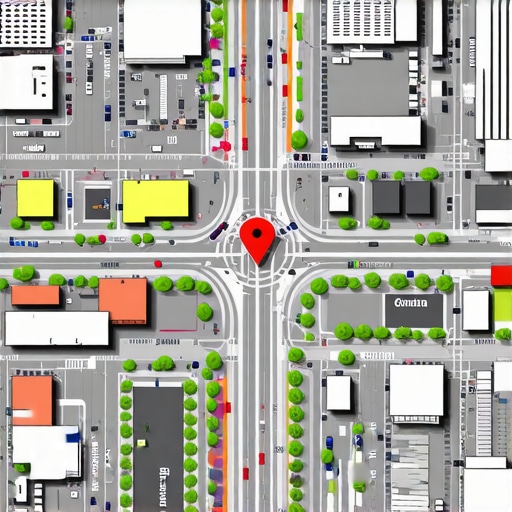
I remember the moment clearly. I was sitting in a local Omaha coffee shop, trying to get my small business noticed online. Despite having a decent website and active social media, I just wasn’t getting the local traction I desperately needed. My Google Maps listing? It was buried in the weeds, unnoticed by potential customers. Frustration set in, and I wondered if I was missing some secret sauce.
That lightbulb moment led me down a path of discovery. I realized that mastering Omaha Google Maps SEO isn’t about gimmicks; it’s about understanding how to make your business stand out where it counts — right in your community’s digital neighborhood. If you’re like I was, overwhelmed by the sheer complexity of local SEO, don’t worry. Today, I’ll share practical, proven strategies that can help your Nebraska business shine on Google Maps and attract more local customers.
Why Local Visibility Matters More Than Ever
In Nebraska, especially in vibrant Omaha, local search plays a crucial role in attracting foot traffic and service calls. According to BrightLocal, 78% of local mobile searches result in an offline purchase — a statistic that underscores the importance of appearing at the top when potential customers search for what you offer. If your business isn’t showing up prominently on Google Maps, you’re essentially invisible to a huge chunk of your potential market. That’s a missed opportunity, plain and simple.
But here’s the thing — many local businesses make basic mistakes that hold them back. I’ve been there. Early on, I neglected to optimize my Google My Business (GMB) profile, assuming that just creating an account was enough. I also overlooked the importance of consistent NAP (Name, Address, Phone number) info and neglecting customer reviews. These missteps can seriously hurt your visibility and credibility. Want to avoid my mistakes? Check out this guide for the best Omaha strategies to grow your local presence in 2024.
Is Google Maps SEO Really That Important for My Business?
Absolutely. Some skeptics dismiss local SEO as a fad or a minor tweak. But the data speaks loudly. A study by Google reveals that 76% of people who search on their smartphones visit a business within a day — many of those visits stemming from local searches. If you’re not optimizing your profile, you’re losing out on a steady stream of those potential customers. I once thought my online presence was enough until I realized how much I was missing by ignoring local search — and I’ve seen firsthand how effective proper optimization can be.
So, if you’ve faced the frustration of low visibility or wondered whether investing in Google Maps SEO is worth it, I get it. But I can assure you, with the right approach, you’ll see your local reach grow significantly. Ready to dive into the practical steps? Let’s get started on transforming your Omaha business’s local visibility today.
Claim and Optimize Your Google My Business Listing
The first step I took was claiming my Google My Business (GMB) profile, which is like owning your real estate on the digital map. Once claimed, I filled out every detail—business name, address, phone number, and hours—making sure they matched my actual info perfectly. This consistency is key because Google penalizes inconsistent data, much like a GPS gets confused when street signs don’t match. I also uploaded high-quality images of my storefront and products, which made my profile more inviting. To avoid common pitfalls, I checked out this guide for detailed optimization tips.
Build and Manage Customer Reviews
Reviews are like word-of-mouth on steroids. I reached out to satisfied customers, politely asking them to leave reviews on my GMB profile. I responded promptly to all reviews—positive or negative—to show I care and to boost engagement. This practice also signals to Google that my business is active and trustworthy. During a busy holiday season, I personally responded to each review—sometimes even thanking customers for their feedback—which helped improve my local ranking. For strategic review management, check this resource.
Use Local Keywords Effectively
Think of keywords as the address to your digital front door. I incorporated Omaha-specific keywords naturally into my profile description, services, and posts—like “Omaha catering” or “Nebraska landscaping”—which helped Google understand my relevance to local searches. I also added keywords to my website and social media, creating a cohesive local SEO footprint. During my campaign, I realized that including neighborhood names like “Midtown Omaha” made a significant difference. To learn more about keyword strategies, see this guide.
Maintain Consistent NAP Data
Ensuring my business name, address, and phone number (NAP) were consistent everywhere—website, social media, directories—was like making sure all my signs pointed to the same location. I audited my listings regularly and corrected any discrepancies. This consistency boosts Google’s confidence in your business, improving your local rankings. I also used tools to monitor my citations, which kept my NAP data accurate across the web. For detailed citation management, I recommend this resource.
Leverage Local Backlinks and Citations
Backlinks from reputable local websites act like endorsements—Google trusts your business more when local authorities vouch for you. I reached out to Omaha business associations and local blogs to feature my company, earning valuable backlinks. Citations—mentions of your business on other sites—also boost visibility. I kept track of my citations and ensured they included correct NAP info. Building these local relationships is like networking in person; it pays off in digital trust. For proven techniques, visit this guide.
Monitor, Analyze, and Adjust
Regularly reviewing my Google Maps insights helped me see what was working and what wasn’t—like checking your GPS for rerouting. I tracked search queries, customer actions, and call volume, adjusting my strategies accordingly. If I noticed a drop in visibility for certain keywords, I refreshed my content or optimized my profile further. This iterative process kept my Omaha business competitive and visible. To stay ahead, I used tools recommended in this resource.
Many local business owners believe they know what it takes to succeed with Google Maps SEO, but some of these beliefs are actually misconceptions that can hinder your progress. In my experience working with Omaha businesses, I’ve seen patterns where entrepreneurs fall into traps based on popular myths. Today, let’s dig deeper into these misconceptions and clarify what truly moves the needle in local SEO.
One widespread myth is that simply creating a Google My Business (GMB) profile guarantees high visibility. While claiming your listing is essential, it’s far from enough. Without ongoing optimization—like managing reviews, adding fresh content, and ensuring NAP consistency—you’re just leaving your digital storefront half-open. Many folks overlook the importance of regularly engaging with their profile, which is a key factor in Google’s ranking algorithms. For a comprehensive approach, I recommend checking this guide.
Why Do Some Businesses Still Fail to Show Up Locally?
A common mistake is neglecting local keywords and citation consistency. Some assume that good reviews alone will carry them, but Google’s algorithm also heavily relies on signals like relevant keywords and accurate NAP data across all listings. In my work, I’ve seen businesses with excellent reviews but poor local visibility because their NAP info was inconsistent or their local keywords weren’t targeted. This is a nuanced aspect often misunderstood. To get it right, consider reading this resource.
Another myth is that reviews are the only ranking factor. While reviews do influence credibility and local rankings, Google also prioritizes profile completeness, engagement, local backlinks, and keyword relevance. Ignoring these other signals can lead to a false sense of security. It’s like thinking reviews alone will make your business unbeatable without the supporting SEO foundation. For advanced strategies, look into this article.
In essence, the hidden nuance lies in understanding that local SEO is a holistic process. You need to optimize your profile, manage reviews actively, build local backlinks, maintain consistent NAP data, and incorporate relevant keywords—all simultaneously. Focusing on just one aspect is like trying to fill a bucket with a hole in it. To truly master Omaha Google Maps SEO, embrace the complexity and stay updated with proven techniques. Have you ever fallen into this trap? Let me know in the comments.
How do I keep my Google Maps SEO efforts working over the long term?
Once you’ve optimized your Omaha Google Maps profile and started attracting local customers, the work doesn’t stop there. Maintaining your local SEO presence requires consistent effort and the right tools. I personally rely on a combination of specialized software and disciplined routines to ensure my business stays visible and competitive in local search results.
One essential tool I use is BrightLocal. It’s invaluable for tracking local search rankings, monitoring citations, and managing reviews. BrightLocal’s dashboard gives me a clear snapshot of how my business is performing on Google Maps compared to competitors. I check my rankings weekly and set alerts for new reviews or mentions, so I can respond promptly. This proactive approach keeps my profile fresh and signals to Google that my business is active and engaged.
Another tool I recommend is Whitespark for citation management. Regularly auditing citations helps me identify and correct inconsistencies in NAP data, which is critical for maintaining local rankings. Whitespark’s Citation Tracker makes it simple to see where your business is listed and whether the information matches your profile. Consistency here is key, and these tools make it manageable even for busy Nebraska business owners.
For ongoing content updates and engagement, I use Google Posts within GMB. I schedule weekly posts promoting new offers, community involvement, or seasonal updates. These posts help maintain activity signals that Google favors. I also leverage local keyword tools like this resource to refine my keywords periodically, ensuring my profile stays relevant as local search trends evolve.
Looking ahead, I predict that local SEO tools will become even more AI-driven, offering more predictive insights and automation. Staying ahead means embracing these innovations early. For now, combining tools like BrightLocal and Whitespark with a disciplined routine of review management, citation audits, and content updates is the best way to keep your Omaha Google Maps SEO working effectively over time.
What strategies will help scale your local SEO efforts?
As your business grows, scaling your local SEO requires expanding your citation network, building more local backlinks, and encouraging more reviews. Tools like SEMrush or Ahrefs can help identify new citation opportunities and analyze competitor backlinks. Automating review requests through email campaigns or SMS can also boost your review volume. Remember, consistency is your best friend in local SEO—regularly check your NAP data and stay engaged with your community online. For more detailed strategies, see this guide.
Don’t forget, the local search landscape continues to evolve. Stay informed by subscribing to industry blogs and participating in local business groups. Remember, your efforts should adapt as algorithms and user behaviors change. Keep your tools updated, your routines consistent, and your community engaged. With these tactics, your Omaha business will remain a dominant local player for years to come.
The Hardest Lesson I Learned About Local Maps Optimization
The biggest mistake I made early on was assuming that creating a Google My Business profile was enough. It’s not. Continuous engagement, review management, and data consistency are what truly make your business stand out. I learned this the hard way when my competitors who actively optimized surpassed me in local rankings.
3 Myths About Google Maps SEO That Held Me Back
One myth was that reviews alone could skyrocket my visibility. Wrong. While reviews are crucial, they need to be coupled with relevant keywords, accurate NAP data, and backlinks. Another false belief was that once optimized, your profile stays top forever. In reality, local SEO requires ongoing effort and adaptation to algorithm changes.
What Experts Won’t Tell You About Local SEO in Omaha
Many overlook the importance of local backlinks and citation consistency. Building genuine relationships with local Omaha organizations and ensuring your NAP info matches everywhere are underrated strategies that can give you a competitive edge. Trust me, these nuanced tactics can significantly boost your local presence.
My Essential Toolkit for Local Maps Success
For managing reviews and rankings, I rely on BrightLocal. It helps me track my local search performance and review engagement. For citation consistency, I use Whitespark. These tools are essential for maintaining a strong local SEO foundation and staying ahead of competitors.
Your Turn to Try
If you’re serious about dominating Omaha Google Maps SEO, remember that persistence and strategic optimization are key. Don’t just set it and forget it—keep refining your profile, engaging with your community, and monitoring your progress. Your local success is within reach if you stay committed.
What’s the biggest challenge you face with your local SEO efforts? Share your experience below—I’d love to hear your story!
No comments