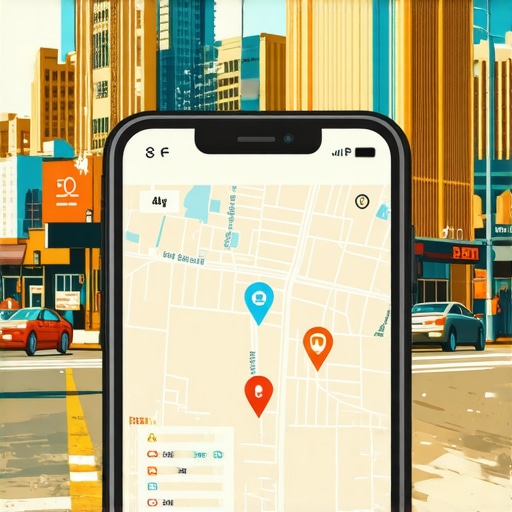
Ever felt that sinking feeling when you realize your local business isn’t showing up on Google Maps, despite all your efforts? I’ve been there, staring at my screen with frustration, wondering why my Omaha storefront isn’t popping up when someone searches for services I offer. It’s a common problem, and honestly, it can feel like trying to shout in a crowded room—your message just isn’t getting through. But here’s the thing: after years of experimenting and learning, I found that there are concrete strategies that can turn this around. And I want to share those with you today.
The Power of Local SEO on Google Maps
In my early days, I made the mistake of thinking that simply having a Google My Business (GMB) profile was enough. I’d fill out the basics and hope for the best. Spoiler alert: it doesn’t work that way. Google’s local algorithms are complex, and they favor businesses that actively optimize their profiles and engagement. According to a recent study, 78% of local mobile searches lead to an offline purchase, emphasizing how critical it is to appear prominently in local search results. If you aren’t visible on Google Maps, you’re missing out on a huge chunk of potential customers.
Is Google Maps SEO Actually Worth the Hype?
This was the question I kept asking myself in those early days. I was skeptical because I’d heard stories of businesses spending money on SEO and not seeing results. My big mistake? I underestimated the importance of consistent updates and engagement. I thought a quick profile setup was enough. Turns out, the real power lies in ongoing optimization and understanding how Google ranks local businesses. Once I started to apply proven strategies, my visibility soared. Now, I know firsthand how effective local SEO can be, and I want you to experience that too.
So, if you’ve faced the frustration of being invisible on Google Maps, or if you’re just starting out and want to avoid costly mistakes, stick around. We’re about to dive into the practical, tested tactics that will help your Omaha business stand out in 2024. Ready to make your local presence undeniable? Let’s get started.
Claim Your Business Profile Correctly
The first step I took was ensuring my Google My Business (GMB) profile was complete and accurate. Think of your GMB profile as your digital storefront window; if it’s not properly set up, passersby won’t stop. Visit this guide to optimize your profile effectively. Fill out all fields: business name, address, phone number, and hours. Use a local Omaha phone number and accurate address to signal relevance to Google.
Add Consistent NAP Information
NAP (Name, Address, Phone Number) consistency across all platforms is like setting a GPS coordinate for your business. I once updated my NAP on my website but forgot to do the same on directories. As a result, my rankings suffered. Use a tool or checklist to ensure every mention of your business matches exactly—down to abbreviations and formatting. This consistency tells Google that your business information is reliable.
Leverage Local Keywords Naturally
Research keywords that Omaha locals use—think phrases like “best coffee shop Omaha” or “Omaha plumber near me.” Incorporate these into your GMB description, service listings, and posts without keyword stuffing. I tested this by updating my service descriptions with targeted keywords, which helped my profile appear for more relevant searches. Use tools like the local SEO keyword tools to identify high-impact terms.
Encourage and Manage Customer Reviews
Reviews are the social proof that signals trustworthiness to Google. I reached out to happy customers and politely asked for reviews. Responding to each review, positive or negative, shows engagement. This practice not only builds credibility but also influences your ranking. Remember, reviews with keywords related to your services can give an extra boost.
Post Regular Updates and Offers
Keep your profile active by posting updates, special offers, or new services. I once shared a limited-time discount on my GMB profile, which immediately increased engagement and visibility. Use the platform’s post feature regularly to signal that your business is active, which Google favors.
Optimize Your Business Categories and Attributes
Choose the most relevant primary category for your business and add secondary categories that reflect your services. I initially selected a broad category, which limited my visibility. After refining my categories based on local strategies, my profile started ranking higher for specific searches. Don’t overlook the importance of attributes like “wheelchair accessible” or “free Wi-Fi” — they can influence local search results.
Build Local Backlinks and Citations
Backlinks from reputable Omaha-based sites strengthen your local relevance. I contacted local newspapers and chambers of commerce to feature my business. Citations from trusted directories like Yelp and Bing also matter. Ensure every citation matches your NAP info.
Monitor, Analyze, and Adjust Regularly
Use tools like Google Analytics and GMB Insights to track what’s working. I initially ignored data, but once I started analyzing my profile’s performance, I identified which posts and keywords worked best. Regularly updating your strategy ensures you stay ahead of competitors. For an in-depth approach, check out this comprehensive guide.
Many local businesses believe that simply setting up a Google My Business profile guarantees visibility on Google Maps. However, this is a misconception that can lead you into costly traps. The reality is that most people overlook the nuanced strategies that differentiate a mediocre listing from a top-ranking one. Let’s dig deeper into what most folks get wrong about local SEO for Google Maps.
Why Posting Regular Updates Is More Than Just Activity
Some businesses think that sporadically posting updates or offers on their GMB profile is enough to boost rankings. In truth, the quality, relevance, and timing of these posts matter. For instance, posting about seasonal promotions during off-peak times won’t have the same impact as timely, localized content. Advanced local SEO involves analyzing your audience’s behavior and aligning your posts accordingly. Use insights from tools like this guide to refine your posting strategy.
The Big Myth About Review Quantity
Many believe that accumulating hundreds of reviews automatically elevates your profile. What’s often missed is that review quality and relevance are just as important. Google’s algorithms prioritize reviews that contain specific keywords related to your services, as well as reviews that demonstrate genuine customer engagement. Focus on cultivating authentic reviews from satisfied clients rather than just chasing numbers. Responding thoughtfully to reviews also signals active engagement, which can positively influence your rankings.
Advanced Question: How Do Google’s Local Algorithms Really Work?
Many assume Google’s local ranking factors are straightforward — mainly NAP consistency and reviews. In reality, Google’s algorithms are highly sophisticated, factoring in user engagement signals, behavioral data, and even local link signals. According to a study by Moz, local search rankings are influenced by over 200 factors, many of which are not immediately obvious. For example, this article discusses how backlinks from local sites and social signals can subtly boost your visibility. To truly master local SEO, you must analyze these advanced signals and continually adapt your strategy.
Have you ever fallen into this trap? Let me know in the comments. Remember, understanding the hidden nuances of local SEO can make all the difference in turning your Google Maps presence from invisible to unstoppable.
Keeping your Omaha business visible on Google Maps requires more than just a one-time setup; it’s about ongoing maintenance and leveraging the right tools to stay ahead. Over the years, I’ve tested various software and methods that help me ensure my local SEO efforts stay effective and scalable. Today, I want to share exactly what I use and recommend for long-term success.
How do I maintain my Google Maps rankings over time?
The key is consistency and using the right tools to monitor and optimize your profile. First, I rely heavily on Google My Business Insights. It provides real-time data on how customers find and interact with my profile, which helps me identify emerging trends or issues before they impact my rankings. Regularly reviewing this data keeps my strategy aligned with current customer behavior.
Next, I utilize BrightLocal. This platform allows me to track my citations, review status, and local rankings across multiple keywords and locations. It’s invaluable for ensuring my NAP information remains consistent, which is a critical factor in local SEO. BrightLocal also offers review monitoring, so I can engage with customer feedback promptly, boosting my credibility and rankings.
For citation management, I use Yext. It automatically updates and maintains my business information across numerous directories, saving me countless hours and reducing errors. Consistency in NAP details across platforms like local directories is a proven way to improve local search visibility.
To enhance my content strategy, I schedule regular Google Posts using Hootsuite. While not directly impacting rankings, consistent posting signals activity and engagement, which Google favors. I use Hootsuite’s scheduling features to plan updates and offers during peak times, ensuring my profile remains active without daily effort.
” alt=”Local SEO tools dashboard” title=”Dashboard of local SEO tools” />
Looking ahead, I predict that AI-driven analytics and automation will become even more critical. Tools that can interpret local data and suggest specific optimizations will save time and boost results. For now, combining insights from local SEO best practices with these tools keeps my business competitive.
Don’t forget to test and refine your approach
One simple but powerful tip is to set up alerts for review changes or citation discrepancies. Try implementing BrightLocal’s review alerts or Yext’s citation tracking today. Small adjustments based on real data can significantly improve your long-term visibility.
Start integrating these tools into your routine, and watch your Omaha business stay prominent on Google Maps. Remember, consistent effort and strategic use of technology are your best allies in local SEO.
The Hardest Lesson I Learned About Local SEO
One of my biggest wake-up calls was realizing that Google Maps ranking isn’t just about having a profile — it’s about continuous engagement and strategic optimization. I once thought that once my profile was set, it would rank forever. That was a costly mistake. The real lesson? Stay active, keep updating, and analyze your data regularly to stay ahead.
3 Myths About Google Maps SEO That Held Me Back
I used to believe that reviews were the only factor that mattered. Turns out, NAP consistency, local backlinks, and timely posts are just as critical. Busting these myths helped me unlock higher rankings and attract more local customers.
What Experts Won’t Tell You About Local Maps Strategies
Most overlook the power of local backlinks from Omaha-based sites. Building relationships with local chambers and newspapers can give your profile a significant boost that algorithms favor. The secret sauce is combining these tactics with ongoing profile management for sustained growth.
My Essential Toolkit for Google Maps Success
I rely on BrightLocal for citation tracking and review monitoring, Yext for NAP consistency across directories, and Hootsuite to schedule regular updates. These tools together keep my profile optimized and visible, saving me hours of manual work and ensuring my Omaha business stays competitive in local searches.
Where to Go from Here
If you’re serious about dominating Omaha Google Maps in 2024, start implementing these strategies today. Regularly analyze your data, stay consistent, and don’t shy away from investing in the right tools. Your local customers are searching — are they finding you yet?
Your Turn to Try
Have you ever struggled with keeping your Google Maps ranking stable? Drop your experiences below and let’s grow together!
Comments
I really appreciate this comprehensive breakdown of local SEO for Omaha businesses. When I first started focusing on Google Maps, I underestimated how much ongoing engagement and detail management are necessary. I found that consistently updating my profile with relevant offers and responding to reviews made a noticeable difference in visibility. One challenge I’ve faced is keeping my NAP information perfectly aligned across all platforms—what tools have others found most reliable for automating this process?
Also, I’m curious about the shift towards AI analytics mentioned here. Has anyone experimented with newer tools that automatically suggest optimizations based on local search trends? I believe the key is staying adaptable and proactive, but it’s often overwhelming to keep up with all these tools and strategies. Would love to hear how others balance automation with manual oversight for best results.
This article hits on so many critical points I wish I had known when I first started optimizing my Omaha shop’s Google Maps presence. I agree that NAP consistency cannot be overstated; I learned this the hard way after mismatched info on a couple of directories cost me rankings. Using tools like Yext definitely helps, but I’ve found that regular manual checks are still necessary because no tool is perfect.
Regarding local backlinks, I’ve had good luck collaborating with local bloggers and chamber of commerce sites. Have others found specific Omaha-based sites more effective for backlinks? Also, I’m curious if anyone has insights on balancing the effort between organic reviews and actively soliciting feedback—what’s your approach to make reviews truly authentic but still plentiful?
This ongoing engagement piece is key, especially when combined with data from tools like BrightLocal. The idea of staying proactive with analytics and adjusting strategies is something I’ve been trying to embed into my routine. For anyone new here, what’s one simple step you’ve taken recently that made a noticeable difference in your local SEO?
I totally relate to the struggles of maintaining visibility on Google Maps, especially in a competitive market like Omaha. The tips shared in this post really highlight how ongoing effort and strategic updates can make a huge difference. When I first started, I underestimated the importance of NAP consistency and regular reviews—moving beyond just setting up a profile to actively managing it has been a game-changer. I’ve been using Yext for automated NAP synchronization, which has saved me quite a bit of headaches, but I still do periodic manual checks to ensure accuracy.
Regarding the use of AI and analytics, I’ve tried tools like BrightLocal and Moz Local, and they provide valuable insights, but I wonder if anyone has experience with newer AI-driven tools that proactively suggest optimization strategies based on local search trends? I’d love to hear how other Omaha business owners are balancing automation with manual engagement. Do you rely more on automated tools or manual strategies, especially for review management and content updates? It’d be great to learn different approaches to stay ahead in local SEO.