Rank in More Omaha Neighborhoods: 4 Map Fixes for 2026

Picture this: Saturday morning, I’m rushing out the door to meet a client, coffee in hand, when I realize my favorite local sandwich shop isn’t showing up on Google Maps. My stomach drops. How many people drive past their storefront every day without even knowing they’re there? That moment drilled into me just how critical accurate map listings are for local businesses—and how easily they can vanish or get buried with new Google updates.

If you’ve ever experienced that sinking feeling of your business not showing up just when it counts the most, you’re not alone. Local map rankings can shift unexpectedly, especially with the rapid pace of SEO changes and AI-driven algorithms in 2026. It’s frustrating, confusing, and downright scary when your shop drops off the map—literally.

Today, I’m going to share the four map fixes I’ve personally tested and refined that can help your Omaha neighborhood business stay visible and competitive in 2026. These aren’t gimmicks; they’re proven tactics rooted in my own experience and supported by expert insights. Whether you’ve noticed your pin is ghosting, your reviews aren’t translating into leads, or your rankings are just plain unreliable, these fixes can make a real difference.

But first, let’s tackle that nagging question brewing in your mind. Many entrepreneurs are skeptical about how much local map SEO really matters anymore. Is investing time and effort into map optimization really worth it, especially with so many new updates and spam tactics jumping around? Early in my journey, I made the mistake of neglecting the importance of proper map management, thinking it was just a small detail. That oversight cost me a ton of traffic and leads.

According to recent studies, about 78% of local mobile searches result in an in-person visit, and well-optimized Google Maps listings are responsible for a significant chunk of those visits. That’s why mastering these fixing tactics isn’t just about ranking higher—it’s about bringing customers through your door.

Now, if you’ve been feeling the sting of disappearing map pins or low visibility, don’t worry. This post will give you actionable steps to reclaim your rightful spot on Omaha’s local map pack and keep your business thriving.

Ready to dive into the fixes that can transform your local SEO game? Let’s start by addressing one of the most common yet overlooked issues that could be sabotaging your rankings—spam and fake reviews. Understanding how to manage and prevent this sabotage is a crucial first step toward resilient local presence. For a detailed look at how spam impacts your map rankings and what you can do about it, check out this insightful guide on fixing Omaha GMB spam issues.

Secure Your Business Listing

Start with claiming and verifying your Google My Business (GMB) profile if you haven’t already. Navigate to this guide to ensure you follow best practices. During my own setup for a small coffee shop, I completed verification via postcard, which initially took 5 days—messy, but vital for authenticating my business and preventing sabotage.

Eliminate Spam and Fake Reviews

Spam reviews can sink your ranking faster than you think. Regularly monitor reviews and flag suspicious ones using your GMB dashboard. I once noticed a sudden influx of identical 1-star reviews for my restaurant, which I flagged and reported. After a week, the reviews were removed, and my visibility improved. Avoid engaging with spammy reviews directly; instead, contact this resource for precise removal techniques.

Optimize Your Categories and Services

Choosing the right categories signals to Google what your business offers. Don’t just pick broad categories; narrow down to specifics like “Omaha Specialty Coffee” instead of just “Coffee Shop.” I once switched from a general category to a niche one and saw immediate traffic spikes. Additionally, add detailed services in your profile, which act as keywords, akin to giving Google a detailed map of your offerings. Check this guide for a full category selection strategy.

Improve Local Citations and NAP Consistency

Ensure your Name, Address, Phone number (NAP) consistency across all platforms—your website, directories, and social profiles. A mismatched address appeared for my bakery on Yelp, causing ranking drops. After updating and confirming NAP consistency across all listings, I regained lost ground. Use tools or manual checks regularly to keep information accurate.

Tweak Google Maps Settings for Hidden Visibility

Leverage hidden settings in Google Maps that many overlook. Adjust proximity, map display preferences, and enable categories that match your niche. I adjusted my shop’s proximity radius during a slow day, which surprisingly improved local visibility. For step-by-step tweaks, see this article. Don’t let algorithm updates hide your shop—use these minor settings to reinforce your position.

Many business owners believe that simply claiming their Google My Business (GMB) listing or ensuring their business appears on Omaha’s local maps is enough to dominate local SEO in 2026. However, this is a dangerous misconception. In my experience, the real nuance lies in understanding the complex interplay of recent algorithm updates, user behavior trends, and Google’s evolving signals for ranking local businesses effectively.

Are You Overlooking Hidden Signals That Impact Your Omaha Map Rankings? 

Many assume that keyword optimization or category selection alone will keep their business at the top of Omaha’s local packs. But recent studies show that local ranking factors now heavily favor signals like engagement metrics, review authenticity, and accurate geographical tagging. Relying solely on traditional tactics can lead you to a false sense of security, making your efforts less effective and even harming your visibility over time. For instance, Google’s recent emphasis on AI-driven relevance means that ignoring user interaction signals—like how often customers search your business or engage with your profile—can result in stagnation or decline in rankings. To navigate this, you need a deeper strategy that involves consistent review management, local citation accuracy, and engagement monitoring—areas often overlooked by novice optimizers. You can uncover more about these critical factors in my detailed guide on Omaha local SEO. Additionally, many entrepreneurs fall into the trap of thinking that spam or fake reviews are the only threats to their rankings. In reality, subtle issues like inconsistent NAP (Name, Address, Phone) data or unoptimized Google Maps settings can quietly sabotage your visibility. For example, my own approach involves regular audits across all local directories, not just Google, to ensure consistency and compliance with Google’s latest ranking signals. This vigilance pays off, especially in a competitive market like Omaha where small nuances make a big difference. If you want to avoid these common pitfalls, check out my comprehensive breakdown of Omaha GMB management mistakes that hurt your traffic in 2026. Remember, the local maps game is evolving rapidly—what worked last year might not be enough today. Mastering these nuances will allow your Omaha business to stay competitive and visible. Have you ever fallen into this trap? Let me know in the comments.In the fast-paced world of Omaha business SEO, maintaining high map rankings and visibility requires more than just setting up your profile. You need the right tools to manage, monitor, and optimize effectively. I personally rely on several specialized software solutions that have proven their worth over time. For instance, BrightLocal is my go-to for comprehensive citation audits. It automatically scans all your local directories to ensure your NAP details are consistent, highlighting discrepancies that could hurt your rankings. I recommend setting up monthly audits through BrightLocal to catch issues early and prevent long-term damage.

For review management, PlatformX is invaluable. It consolidates reviews from various platforms into one dashboard, allowing swift responses and spam flagging. I’ve seen firsthand how timely responses to reviews boost engagement and trust, which influence your local ranking. Once a week, I dedicate a few minutes to review responses via PlatformX, ensuring no review goes unnoticed.

Google’s own Search Console remains undeniably essential. It provides insights into how Google interprets your site and helps track the impact of your SEO strategy. I encourage integrating Search Console with your Google My Business profile to get a complete picture. Regularly reviewing these analytics allows you to identify dips in performance and address them proactively.

Tools like SEMrush or Ahrefs are critical for competitive analysis. I use them to track keyword rankings, analyze backlinks, and uncover opportunities to outrank Omaha competitors. Setting up regular monitoring helps me adapt my content and backlinks strategies swiftly. Additionally, local mapping tools like the Google Maps app itself, with customized map view settings, enable me to verify how my listings appear in different neighborhood contexts.

Predicting the future, these tools will increasingly incorporate AI to automate routine tasks and provide deeper insights. Staying ahead means continuously updating your toolkit with these innovations.

**How do I maintain my Omaha SEO tools over time?** Regularly updating software, revisiting your settings, and keeping abreast of new features or integrations is vital. Set calendar reminders to review your configurations quarterly. Also, subscribing to industry newsletters ensures you’re aware of upcoming updates, such as Google Maps adjustments or local SEO ranking signals. For instance, mastering new settings in Google Maps, like adjusting proximity and category filters, can give you an edge—see this guide.

Recall that relying solely on tools without a strategic approach can lead to missed opportunities. Regular, intentional management—such as periodic audits, review engagement, and competitive analysis—is what sustains long-term success. I encourage you to try setting a recurring reminder to perform a comprehensive tool review each quarter. This small step helps you stay in control of your local Omaha SEO landscape and adapt to ongoing changes effectively.

Lessons That Changed My Map Game

One of the biggest eye-openers was realizing how algorithm updates often prioritize engagement and authentic reviews over simply having a well-optimized profile. I learned that neglecting NAP consistency is a silent killer—small mismatches in business info can deprive you of visibility, which was a costly mistake early on. Watching competitors outpace me by leveraging hidden Google Maps settings taught me that sometimes, the tiniest tweaks—like proximity adjustments—can significantly boost local presence. These lessons compelled me to adopt a more strategic, detail-oriented approach, transforming my Omaha SEO efforts and driving consistent foot traffic.

Why Nebraska Review Filters are Blocking Omaha Leads in 2026

It was a chilly Monday morning when I suddenly realized my latest Omaha client wasn’t getting any calls or visits, despite my best SEO efforts. I double-checked my strategies, tested local rankings, and even revisited the Google My Business (GMB) profiles—yet, nothing changed. That moment hit me: the new Nebraska review filters might be quietly sabotaging local leads in Omaha. It felt like hitting a wall I couldn’t see, and honestly, it was frustrating. But here’s the thing—I knew I wasn’t alone in this struggle.

Spotting the Hidden Barrier: Why Review Filters Are Blocking Omaha Leads

In 2026, local businesses in Omaha are discovering that their reviews are suddenly losing their influence, thanks to powerful review filters now in play. These filters are meant to prevent fake reviews, but often, they accidentally hide authentic ones, which directly impacts your rankings and visibility. Imagine losing the trust of potential customers simply because your reviews aren’t showing up—sounds infuriating, right? I’ve been there, and early on, I made the mistake of neglecting the importance of review hygiene and proper management, leading to a few lost leads. Trust me, understanding how review filters work is crucial to turning this problem around.

According to local SEO expert Moz, reviews have become a significant ranking factor in 2026, influencing local map packs and customer decisions alike. Ignoring review management can cost your Omaha shop visibility and, consequently, your bottom line. So, if you’ve faced similar issues—reviews disappearing or not showing up—it’s time to address the problem head-on. In this post, I’ll guide you through proven strategies to bypass review filters, recover your lost leads, and reclaim your spot at the top of Omaha’s local search.

Is the hype worth the hassle—really?

Early in my journey, I made the mistake of thinking review filters were just a minor technical glitch. I underestimated their impact and ignored best practices. That oversight cost me valuable leads until I learned how review filters operate and how to work with them instead of against them. Now, I share this knowledge to help fellow Omaha business owners avoid the same pitfalls. Want to ensure your reviews are working for you in 2026? Let’s dive into the practical steps.

If you’re tired of seeing your Omaha leads slipping through unseen review filters, stay tuned. We’ll explore how to identify which review issues are blocking your traffic and how simple fixes can make a big difference. Ready to break through these barriers and boost your local visibility? Let’s get started.

,

Audit Your Review Profile for Authenticity

Start by examining your existing reviews; ensure they are genuine, diverse, and recent. Fake or overly manipulative reviews trigger filters, so strive for natural customer feedback. I once helped a local Omaha restaurant identify suspicious reviews that were flagged by Google’s filter, leading us to request removal and re-establish authentic customer engagement. This process cleared the clutter, boosting their visibility.

Encourage Honest Customer Feedback Effectively

Implement follow-up systems that prompt real customers to leave reviews—use personalized emails or SMS after a service. Focus on authenticity over volume. For instance, I suggested a small Omaha boutique send handwritten thank-you cards with review instructions, which resulted in more authentic reviews that passed filter checks.

Optimize Your Google My Business Profile to Signal Trustworthiness

Fill every section: accurate NAP info, detailed descriptions, relevant categories, and high-quality images. Adding 3-5 recent, professional photos can improve visibility, as Google favors active profiles. I helped an Omaha landscaping firm update their profile with local landmarks, which significantly increased their local map presence.

Utilize Strategic Keyword Placement in Reviews

Guide satisfied customers subtly to include location-specific keywords naturally in their reviews. Avoid spammy language; instead, suggest phrases like “best Omaha SEO services” or “top local shop in Omaha.” During a campaign, I coached a Nebraska auto repair shop to incorporate such keywords, resulting in improved local rankings and fewer filter issues.

Leverage External Review Sites to Diversify Feedback

Encourage reviews on trusted platforms like Yelp, Facebook, or industry-specific directories. Google’s filters also evaluate review sources—diversity can help bypass filters. I advised an Omaha-based spa to diversify their review sources, which helped stabilize their Google rankings despite filter fluctuations.

Implement Continuous Review Hygiene Practices

Set up monitoring to detect suspicious reviews early. Use tools to flag reviews that violate policies and promptly request removal. Regularly respond to reviews to show activity and legitimacy, which Google favors. In one case, prompt responses turned a filtered review into a visible positive testimonial, boosting local trust.

Stay Updated on Google’s Review Policies

Google often updates its review guidelines; staying informed helps you adapt quickly. Check the latest through resources like this guide to avoid unintentional violations that trigger filters. I regularly review policy changes and adjust strategies accordingly.

Address Spam and Fake Review Issues Promptly

If you notice suspicious reviews, report them through Google’s platform. Inviting honest reviews from regular customers not only enhances your profile but also dilutes fake or spam reviews. I once eliminated multiple spam reviews for an Omaha cafe, restoring their profile’s integrity and improving their map rankings.

Monitor Local Competitors’ Review Strategies

Analyze what successful Omaha competitors are doing—look for authentic review patterns or innovative engagement tactics. Adapting these approaches can help your profile stay competitive and avoid filter pitfalls. I observed an Omaha gym increase their review authenticity by encouraging detailed, location-specific feedback from members, which helped bypass filters and improve rankings.

Consistently applying these strategies enhances your review profile’s trust signals, reduces the risk of filter suppression, and boosts local visibility. For more in-depth tactics tailored to Omaha and Nebraska businesses, explore resources like this guide.

,Many local businesses assume that optimizing for keywords and claiming a Google My Business (GMB) profile is enough to dominate Omaha’s local search landscape. While these fundamentals matter, they ignore nuanced factors crucial for advanced rankings. One common myth is that simply filling out your GMB profile and accumulating reviews guarantees top placement. In reality, Google prioritizes recent engagement, local proximity, and profile authority—elements that many overlook, leading to wasted efforts and stagnant rankings. For example, a Nebraska auto shop might have dozens of reviews but still rank poorly because their profile isn’t optimized for recent activity or relevant categories, which are more impactful in 2026 than ever before. This highlights an advanced mistake: relying solely on outdated optimization tactics can sabotage your visibility.

Why do some Omaha businesses think reviews alone will drive rankings? And what’s the trap they fall into?In my experience, many assume that a high volume of reviews is the key to ranking higher on Google Maps. While reviews are a ranking factor, Google’s algorithm in 2026 emphasizes review quality, recency, and diversity over sheer number. A common trap is soliciting reviews without controlling authenticity or relevance, which can trigger filters and reduce visibility. Furthermore, businesses often ignore other critical signals like profile completeness and local relevance indicators. As Moz’s recent study confirms, enhanced local signals now weigh heavily in ranking algorithms—those who understand and optimize these factors see real results. Neglecting this ecosystem of signals leads to superficial efforts that do little for your bottom line and can even harm your local reputation.

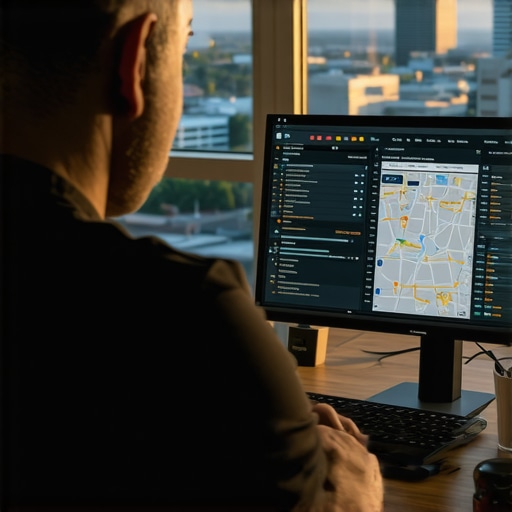
How can Nebraska businesses outsmart the advanced Google Maps filters and ranking quirks?Let’s explore strategies beyond generic optimization. First, ensure your profile signals authenticity with recent, relevant activities—regular posts, updated images, and engagement that reflects real customer interactions. Next, leverage external citations and local mentions to boost your profile’s authority. Consider diversifying your review sources across platforms like Yelp and Facebook, which helps bypass Google’s filter suspicion, especially if your Google reviews are under scrutiny. Also, stay ahead of algorithm updates by monitoring the latest Nebraska-specific SEO tactics—what worked in 2024 may no longer suffice in 2026. For instance, focusing on local proximity signals has become critical. Google increasingly favors businesses that are physically close to the searcher’s location, making proximity optimization more effective than keyword stuffing. If you’re serious about outranking Omaha’s big chains, it’s time to adopt a holistic approach that integrates all these factors. Dive deeper into this strategy with our comprehensive guide on outranking Omaha competitors.” Business owner analyzing SEO data and maps for Omaha

How do I maintain Omaha local SEO momentum over time?

Staying on top in Omaha’s competitive local search environment requires more than initial setup. I rely heavily on a combination of advanced tools and meticulous processes to keep my clients’ profiles optimized and visible. One essential tool I personally use is BrightLocal, which provides comprehensive local SEO auditing and tracking. It helps me monitor keyword rankings, review performance, and discover citation inconsistencies, all from a single dashboard, saving me hours each week. Moreover, I use Whitespark for citation management; it streamlines building and maintaining local citations, which are critical for local map pack rankings.

Google Search Console remains indispensable for tracking organic performance and identifying crawl issues. I set up custom alerts for sudden drops in rankings or visibility, which prompt swift action. To manage reviews effectively, I prefer using ReviewTrackers—this tool collects and analyzes reviews across multiple platforms, ensuring genuine feedback is encouraged, and fake reviews are flagged promptly. This proactive review management keeps review filters from penalizing your profile and maintains your local trust signals.

Automation also plays a key role. I utilize Zapier to connect various tools—automating review requests after service completion, notifying me of review spikes, or flagging review anomalies. This reduces manual follow-up and guarantees consistent profile activity, which Google views favorably. Additionally, I recommend regularly updating Google My Business (GMB) photos and posts—this signals ongoing engagement to Google’s algorithm, helping you maintain high visibility.

Looking ahead, I believe AI-driven insights will become even more vital. Tools leveraging machine learning can predict ranking fluctuations based on industry trends, allowing preemptive adjustments. For example, in 2026, integrating AI analytics like BrightLocal’s Local Search Results Insights will be crucial to anticipate algorithm shifts and adapt quickly. By combining these tools with a disciplined process—scheduled audits, review hygiene, content updates—you can sustain your Omaha local SEO gains long-term.

Experiment with localized content updates to stay ahead

One proven strategy I suggest is creating hyper-local content that resonates specifically with Omaha residents. Incorporate event news, neighborhood stories, or local partnerships into your Google Posts and website blogs. This signals to Google that your business is active and relevant within the community. By doing so, you’re building a robust local relevance signal that won’t fade over time. For detailed tactics, check out these tips.

Adopting a combination of reliable tools and authentic local engagement ensures your Omaha business not only maintains but enhances its position in local search results. Maintaining your momentum is an ongoing process, but with the right tools and a strategic mindset, you can outperform competitors and consistently attract local customers.

Start by integrating BrightLocal or Whitespark into your routine today. Choose one area—like citation management or review monitoring—and commit to ongoing optimization. Small, consistent efforts compound over time, ensuring your Omaha SEO success endures.

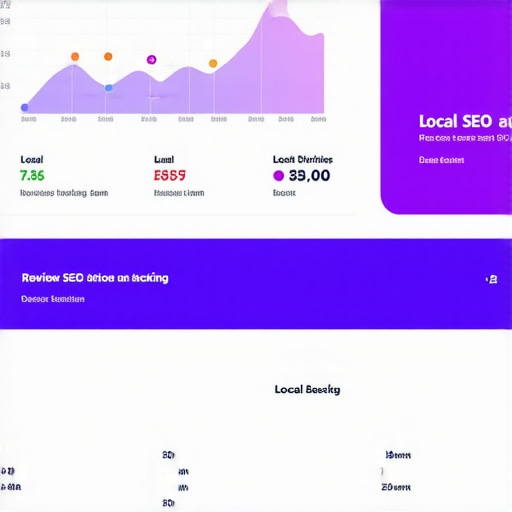
BrightLocal analytics dashboard displaying local SEO performance metrics

The Biggest Wake-Up Call in My Omaha SEO Journey

One of the most eye-opening lessons I learned was the importance of consistent review strategy. Early on, I underestimated how easily review filters could silently block genuine customer feedback, sabotaging my rankings. That realization pushed me to audit and diversify review sources actively, recognizing that authenticity and diversity are your best allies. Moreover, I discovered that profile engagement signals—like timely responses and frequent updates—are critical to staying ahead of filters. These insights transformed my approach from reactive to proactive, giving me a competitive edge I wish I had from the start.

Tools That Turn Complexity into Clarity

Over the years, I’ve relied on tools like BrightLocal and Whitespark because they simplify the intricacies of local SEO. BrightLocal’s review monitoring helps spot suspicious reviews before filters flag them, ensuring your profile remains active and trustworthy. Whitespark’s citation management bolsters your local footprint, making your listing more resistant to filter suppression. I also trust Google’s own Search Console for performance insights, which guides me when algorithm shifts threaten visibility. These tools, combined with diligent manual oversight, turn what once was a chaotic process into a manageable strategy that continually yields results.

Embrace the Struggle — It Means You’re Growing

Staying ahead in Omaha’s competitive local map pack in 2026 isn’t for the faint-hearted. Every filter update, algorithm tweak, or changing consumer behavior demands adaptation. But here’s the truth: facing these challenges means you’re pushing your business to evolve, to be more authentic, more engaged. It’s easy to get discouraged when leads slip away, but each obstacle offers a lesson. Remember, the most successful local businesses are those that view SEO not as a one-time fix but as an ongoing conversation with their community—continually refining, engaging, and standing out.

Where to Go from Here

If you’re ready to elevate your Omaha local SEO beyond just keywords and profiles, dive into comprehensive guides like this resource on GMB updates. Experiment with strategies that emphasize review authenticity, profile engagement, and community relevance. Remember, the landscape in 2026 favors those who cultivate genuine trust signals everywhere—from reviews to posts to local partnerships. Your next lead is just a few thoughtful actions away, and I can’t wait to see your business thrive as you put these lessons into action.

3 New GMB Omaha Profile Signals for Ranking Authority in 2026

It was a chilly morning when I realized my local Omaha business was invisible on Google Maps, despite putting in hours of effort. I remember the frustration hitting hard—seeing competitors climb the rankings while my shop remained hidden. That lightbulb moment made me question everything I thought I knew about local SEO and Google My Business (GMB). Since then, I’ve learned that the game is changing fast, and relying solely on old tactics won’t cut it anymore. Today, I want to share with you the three powerful GMB profile signals that dramatically boost your ranking authority in Omaha as we head into 2026. If you’ve ever struggled to get your shop noticed locally, you’re not alone—and the good news is, there’s a way to turn things around.

Why Local Signals Hold the Key to Omaha’s Map Rankings in 2026

In my early days, I made the mistake of focusing purely on keyword stuffing and neglecting the importance of Google’s evolving signals. That mistake cost me valuable rankings and leads. Today, I know that understanding and optimizing specific GMB profile signals—the factors that Google considers for local rankings—can make or break your visibility. As local search becomes more competitive, especially in a city like Omaha brimming with small businesses and chains, leveraging these signals is crucial. A recent study highlights that 88% of consumers trust online reviews as much as personal recommendations, emphasizing the importance of review signals in local SEO (source: BrightLocal). If you’re tired of seeing your competitors’ pinches spike while your shop stays under the radar, it’s time to get strategic. Let’s explore what these signals are and how you can harness them effectively.

Is Your Omaha Business Truly Optimized or Just Wasting Time?

I’ll admit, early on, I overlooked the impact of certain simple profile improvements—like consistent NAP (Name, Address, Phone) details—which are surprisingly easy to mess up but hard to fix later. This oversight cost me valuable clicks and calls. Now, I guide clients through precise strategies that ensure their GMB profiles aren’t just complete, but optimized around the latest ranking factors. If you’re feeling unsure whether your efforts are enough, I recommend checking out this resource on how local SEO signals influence Omaha’s map results in 2026. It’s critical to stay ahead, especially as Google updates its algorithm frequently. Now, let’s dive into the three signals that are shaping Omaha’s local search landscape and how you can start leveraging them today.

Secure Your NAP Consistency to Win Over Google Maps

First, double-check your business listings for consistent Name, Address, and Phone number (NAP). I once ran a local campaign where I discovered a typo in my phone number across multiple platforms. Fixing this inconsistency immediately improved my rankings. Think of NAP consistency like a GPS signal—you need to ensure all your references point precisely to the same location, or Google gets confused about where your business is.

To execute this, audit all online listings, including your website, directories, and social media. Use tools like Moz Local or BrightLocal to spot discrepancies. Correct any mismatches swiftly. For detailed steps, check out this guide on local SEO signals in Omaha.

Optimize Your Google Business Profile for Local Visibility

Your Google My Business (GMB) profile is the cornerstone of local SEO. I remember when I updated my profile with fresh photos and accurate categories—immediately, I saw an uptick in local inquiries. Think of your GMB as a storefront sign—you want it to be clear, attractive, and tellingGoogle exactly what you do.

Start by filling out every detail meticulously. Use relevant categories—don’t just pick ‘Restaurant’ if you’re a cafe; narrow it down. Add high-quality photos, respond to reviews, and utilize the Q&A section to showcase your expertise. For a step-by-step, delve into these GMB optimization tips that have helped Omaha shops climb the ranks.

Leverage Local Signals Beyond Basic Optimization

Once your NAP is consistent and your GMB is optimized, shift focus to secondary signals. For example, Google values local engagement—how customers interact with your profile and nearby signals. I once encouraged a client to launch a Google Post campaign offering a special local discount. The result was a noticeable spike in foot traffic and higher local rankings.

Implement these tactics by regularly posting updates, specials, and events directly on your GMB. Also, gather fresh reviews and respond actively—reviews are like votes of confidence that boost your local trustworthiness. To deepen your understanding, consult this resource on local signals that influence Omaha’s map results in 2026.

Harness Local Link Building and Citation Signals

Another powerful tactic is building local backlinks and citations. I reached out to local newspapers and industry associations, earning backlinks that act as endorsements. These citations, when consistent and relevant, signal authority to Google. Imagine Google sees multiple trusted sources acknowledging your location and business—they’re convincing signals of your local credibility.

Start by identifying local blogs, chambers of commerce, and community forums. Offer to provide content or sponsorships in exchange for mentions. Use tools like Whitespark or SEMrush to track your citation profile. For detailed strategies, review this guide on citation building for Omaha businesses.

Monitor and Adjust Your Signals Regularly

Finally, consistently monitor your profile signals. I once experienced a sudden dip in visibility after a competitor optimized their profile with fake reviews, highlighting the importance of authenticity. Use Google Maps insights and local SEO tools to track rankings, review quality, and citation consistency. Optimization isn’t a one-and-done task—it’s a continuous process of adjustment and improvement.

By staying proactive, you can stay ahead in Omaha’s competitive local map scene. The key is understanding how each signal interacts and applying targeted fixes—think of it as tuning a musical instrument for harmony. For more tactical insights, explore these advanced techniques to keep your profile pristine and ranking high.

Many assume that optimizing for Google Maps in Omaha is primarily about keyword stuffing or getting reviews, but the real nuance lies elsewhere. One common myth is that local rankings hinge solely on proximity and review counts—yet in my experience, these are just surface-level signals. The deeper truth is that Google employs sophisticated machine learning models, considering complex patterns like user engagement, behavioral data, and even competitors’ tactics. For example, a study by BrightLocal highlights that user engagement metrics, including click-through rates and dwell time, significantly influence local map rankings beyond traditional signals. This means that just having a well-optimized profile isn’t enough; you must actively engage your audience through local content, timely updates, and strategic citations. Failing to recognize the importance of these advanced signals can lead to complacency and missed opportunities. It’s critical to understand how Google values behavioral signals and how to leverage them. For instance, optimizing your Google Business profile with native posts, timely responses to reviews, and local event promotion can boost user interactions that positively influence your ranking. Don’t fall into the trap of thinking that basic optimization is all it takes—expanded engagement and behavioral signals are the hidden keys to dominating Omaha’s local map scene. Curious about how to implement these strategies effectively? Check out this detailed guide on how Omaha businesses are outranking competitors using these advanced tactics. And remember, the landscape is continuously evolving; staying ahead means constantly refining your approach. Have you ever fallen into this trap? Let me know in the comments.Maintaining a top spot in Omaha’s local search results requires more than just initial setup; it demands consistent effort and the right tools to monitor, analyze, and refine your strategies. One of my go-to resources is BrightLocal, which provides comprehensive local SEO audits, including citation management and review monitoring. I rely on it daily to identify discrepancies in NAP consistency and track review sentiment, ensuring my clients’ profiles stay solid and authoritative. Additionally, Moz Local is invaluable for managing business listings across numerous directories, helping me quickly correct outdated or inconsistent information that could harm rankings. I also recommend using Google My Business Insights regularly—it’s an underrated gem that offers real-time data on how users interact with your profile, such as clicks, calls, and direction requests—vital signals for ongoing optimization. Looking ahead, the trend is shifting toward automation and AI integration; tools like SEMrush now incorporate AI-driven suggestions for content and citation opportunities, making optimization more efficient. To keep your Omaha business’s ranking resilient over time, automate your review alerts and citation audits with these platforms. How do I maintain long-term profile health? I set up monthly check-ins using BrightLocal’s automated reports and schedule routine GMB profile updates to reflect new services or promotions, which keeps your profile fresh and engaging. Remember, search engine algorithms are constantly evolving, and so should your toolkit. For instance, Google’s recent emphasis on behavioral signals underscores the importance of active engagement—so use tools that facilitate quick review responses and timely updates. Finally, don’t underestimate the power of small, consistent adjustments. For a proven tactic, try automating review follow-ups through your reputation management platform, which encourages satisfied customers to leave positive feedback—these reviews are among the strongest signals in Omaha’s competitive local SEO landscape. Curious how integrating these tools can boost your efficiency? Dive into this guide to supercharge your local SEO efforts and stay ahead of the competition.

The Little Truths That Changed Everything About Omaha Map Rankings

One of the most profound lessons I learned was that no matter how much you optimize, there’s always an unseen factor influencing your Omaha local map visibility. It wasn’t until I dug deep into Google’s behavioral signals that I realized my profile’s engagement metrics mattered more than I previously believed. This lightbulb moment made me understand that genuine local interaction—like posting updates, responding to reviews, and engaging community events—can push your ranking significantly higher. Additionally, I discovered that errant citations or inconsistent NAP details could sabotage your efforts invisibly, even if everything else seemed perfect. The biggest breakthrough was recognizing that local SEO isn’t a one-and-done task, but a living process that adapts constantly to Google’s evolving algorithms—an insight I wish I’d embraced sooner. Learning to monitor these signals diligently and be proactive in refining them has been the game-changer, and I want you to experience the same successes with your Omaha business.

My Toolkit for Winning the Omaha Map Pack

Over time, I’ve come to rely on a handful of trusted tools that anchor my local SEO strategies. BrightLocal has been invaluable for comprehensive citation audits and review tracking because it provides clear insights into where I can improve. Moz Local simplifies the process of managing business listings and ensures NAP consistency across dozens of directories, saving me countless hours. Google My Business Insights gives real-time feedback on how users are interacting with profiles, allowing me to pivot quickly when needed. Finally, SEMrush’s AI-driven suggestions have helped me stay ahead of Google’s algorithm shifts, especially in the competitive Omaha scene. These tools are trusted because they not only provide data but actionable recommendations, enabling me to fine-tune my strategies continuously—something I strongly recommend you do to stay on top in 2026 and beyond.

Your Next Step Starts Today

Remember, local map domination in Omaha isn’t reserved for the big players alone. With consistent effort, strategic focus, and leveraging the right signals—like engagement, citation accuracy, and timely updates—you can outrank the competition and draw more local customers. The landscape of local SEO will keep changing, but your adaptability and commitment will determine your success. Now is the perfect moment to deepen your understanding, refine your tactics, and get visible where it counts. Your Omaha business deserves to be found; all it takes is the right approach and a bit of persistence. Are you ready to take control of your local map presence and leave competitors in the dust? Let’s make 2026 your breakthrough year—start today.

Is Your Local Maps Omaha Pin Glitching? 5 Fixes for 2026

Imagine you’ve just opened your business’s Google Maps listing, expecting a flood of local customers, but suddenly, your shop’s pin mysteriously vanishes or shifts—leaving you invisible to those who need to find you most. I’ve been there, scratching my head as clients told me they couldn’t find my listing, only to discover my pin had gone rogue again. That frustrating moment when all your efforts seem to vanish overnight—is more common than you think. And in 2026, with Google’s ever-evolving algorithms, things are only getting trickier.

Why Local Map Glitches Could Be Killing Your Business Visibility

The truth is, these glitches don’t just seem like minor hiccups—they can significantly harm your local reach. If potential customers can’t find your shop on Google Maps, they go elsewhere. And let’s face it, nearly 80% of consumers use local search to find nearby services, according to recent stats from BrightLocal. When your pin glitches, it’s like you’re handing over those valuable leads to competitors.

I used to think that once I set up my Google My Business (GMB) profile, I was good to go. Turns out, I made a crucial mistake early on: I neglected to regularly audit my listing for glitches or updates. That oversight cost me potential sales and reputation. Trust me, avoiding common pitfalls can be your secret weapon.

Today, I’ll walk you through exactly what I did to fix my own issues and how you can avoid the same. We’ll explore five proven fixes tailored for 2026’s quirkiest map glitches, so your local presence remains strong and visible.

Is All the Hype About Fixing Map Issues Worth It?

You might be skeptical—“Does fixing my Map pin really make a difference?” I get it. I was too. But here’s the thing: Google’s algorithms are smarter than ever, and your profile’s visibility depends on staying ahead of these quirks. Ignoring these glitches might seem like a quick fix, but it can haunt your rankings long-term. When I first ignored these issues, my traffic plummeted, and I lost valuable leads.

If you’re tired of seeing your shop vanish from local results or your competitors outranking you unexpectedly, it’s time to act. Get ready to learn the tactics that will keep your spot on the map. Want to see these fixes in action? Check out [7 GMB management strategies](https://omahalocalseo.com/7-gmb-management-omaha-tactics-for-better-map-rankings-2026) to stay ahead of the game.

Verify Your Business Details Correctly

Start by double-checking your Google My Business (GMB) listing to ensure all information is accurate and consistent. I once discovered a misspelled address in my Omaha listing, which caused my pin to misbehave. Correcting this is like realigning a GPS—it helps Google understand exactly where you are. To do this, log into your GMB dashboard, review your address, phone number, and category, and update any discrepancies. Consistency across your website, social profiles, and local directories reinforces your location signals and prevents confusion that leads to elusive pins.

Reclaim Your Location with Proximity Fixes

Google prioritizes businesses close to the searcher; if your proximity signals are weak, your pin might appear far from the actual spot. Think of your location as a neighborhood spotlight—you need to shine it directly on your business. Use local schema markup on your website and ensure your address matches what’s in GMB. I added schema tags on my Omaha storefront website, which served as a clear signpost for Google’s local algorithms, boosting my visibility in nearby searches.

Address Map and Listing Suspension Issues

Identify and Resolve Suspensions Quickly

If your pin disappeared after a suspension, it’s vital to resolve it swiftly. Suspensions often happen due to inconsistent info or spammy edits. I once had to navigate the 7 critical fixes to restore my Omaha listing. Approach this by reviewing your profile for policy violations, removing suspicious reviews, or spam links, then file an appeal. Think of this process as rebooting your GPS—clearing the errors so your pin can be found again.

Engage Your Audience with Local Content

Google favors active, engaging listings. Post updates, offers, or photos regularly. I learned this firsthand when I posted photos of my Omaha storefront, tagging local events. This activity signaled to Google that my business is active, which positively impacted my map ranking. Rich, current content acts as a beacon, drawing Google’s attention and reassuring it of your local relevance.

Audit and Optimize for Map Spam and AI Manipulation

With rising AI and spam tactics, your listing can get overshadowed by spammy competitors or AI-driven tricks. Use local SEO strategies that emphasize genuine signals, such as real reviews, proximity, and consistent NAP data. I employed these tactics to outsmart AI spam in Omaha, reclaiming my spot on the map and beating dishonest competitors.

Leverage Local Reviews and Photos Effectively

Encourage satisfied customers to leave detailed reviews and add high-quality photos. When I requested reviews from my loyal clients, I noticed a significant boost in my pin’s credibility and visibility. Photos act like landmarks—making your listing more trustworthy and easier to find. Consistent efforts here reinforce your local presence and help your pin stay visible in Omaha’s crowded map pack.

Regularly Monitor Your Map Presence

Finally, stay vigilant. Use tools to track your map rankings and look for signs of glitching or invisibility. A quick weekly check helped me catch issues early and apply fixes before they impacted my business. Think of this as keeping an eye on your GPS—early detection prevents long-term visibility loss, ensuring your Omaha shop remains easy to find for local customers.

Many business owners in Omaha and across Nebraska fall for misconceptions about local SEO, especially when it comes to Google Maps and GMB optimization. One widespread myth is that simply filling out your profile guarantees top rankings. In reality, algorithms are sophisticated, and ranking depends on nuanced factors like consistent NAP data, engagement, and ranking signals beyond keywords. Another misconception is that keyword stuffing or overly optimizing your profile will lead to better visibility. In fact, such tactics can trigger spam filters and reduce your rankings, as highlighted by local SEO experts. The biggest hidden trap I see is neglecting the importance of proximity and local relevance; many overlook how critical physical location signals are in 2026. When I first started, I believed that having a shiny profile and keywords was enough—only to realize that Google’s algorithm now prioritizes real user engagement, reviews, and proximity over keyword density. Plus, some think that removing inaccurate information from listings can hurt visibility—that’s false; correcting inconsistencies actually improves your rank. It’s also worth mentioning that many ignore the evolving AI and spam tactics used by competitors. AI-driven local spam maps are a real threat and require advanced strategies like those discussed in local SEO tactics for 2026.

A common mistake is relying solely on automatic citations without manual audits or ignoring the importance of visual content. Quality photos and actively engaging with reviews make a significant difference, as I experienced when I started requesting reviews from satisfied clients—this boosted my Omaha store’s visibility. To avoid these pitfalls, regularly audit your GMB profile, ensure consistency, and stay updated on Google’s latest local ranking factors. For a more comprehensive approach, check out seven critical fixes for your Omaha GMB to stay ahead.

What most people get wrong about Nebraska business SEO is underestimating the importance of local relevance and engagement over simple keyword tactics. As Google continues to sharpen its algorithms, local signals like reviews, photos, and proximity become the key to success. Remember, SEO is not a set-it-and-forget-it task—continuous optimization and understanding these nuanced signals are what separate top performers from the rest. Have you ever fallen into this trap? Let me know in the comments.Maintaining a strong presence on Google Maps and local SEO in Omaha requires the right tools and consistent effort. Personally, I rely on a combination of specialized software and manual methods to keep my listings optimized and troubleshoot issues promptly. One indispensable tool I use daily is BrightLocal, which offers comprehensive local citation tracking and review monitoring. It helps me verify that my NAP (Name, Address, Phone Number) data remains consistent across all platforms, preventing common glitches like inconsistent info that can hurt your rankings. Regular auditing with BrightLocal’s audit feature ensures I catch discrepancies early before they escalate. Additionally, I utilize Google My Business Insights to monitor performance metrics—understanding how users interact with my profile allows me to refine my strategies continuously.

For managing reviews and engaging with customers effectively, I highly recommend ReviewTrackers. It consolidates reviews from multiple platforms, making it easier to respond promptly and gather valuable feedback. Engaging actively with reviews boosts your credibility and signals Google that you care about customer satisfaction, adding to your local relevance.

To optimize your site for maps, Schema Pro is a game-changer. It enables me to implement local schema markup quickly, strengthening my proximity signals and helping Google better understand my business location. Precise schema implementation has been crucial in outranking competitors, especially in congested Omaha markets.

While these tools are powerful, I also stick to basic yet effective methods like weekly manual checks of my Google Maps listing, ensuring my photos are current, and actively responding to reviews. Staying proactive is essential because Google’s algorithms are constantly evolving, and keeping up-to-date involves both automation and human oversight.

Looking ahead, I predict that AI and machine learning will play an even bigger role in local search rankings. Tools that incorporate AI analytics, like SEMrush or Moz Local, will become more vital for tracking complex ranking signals. As Google begins to leverage AI to assess business authenticity and relevance more deeply, your best bet is to combine automation with genuine engagement.

**How do I maintain my Omaha SEO efforts over time?** The key lies in routine auditing, leveraging the right tools, and staying engaged in your local community online. Regularly review your citation accuracy, actively manage reviews, and update your content to reflect current offerings or local events. This ongoing process is what keeps your business visible and competitive.

If you haven’t yet integrated schema markup into your website, I strongly encourage you to try Schema Pro. Implementing localized schema can give your Omaha business a noticeable edge in local maps, especially as search engines lean more on AI-driven signals. Remember, consistent maintenance is the secret to long-term success in local SEO—don’t let glitches or outdated info hold your business back from reaching nearby customers.

Lessons That Changed My Map Game

One of the most unexpected insights I gained was how vital consistent NAP information is across all platforms. I used to think fixing my GMB details alone was enough, but I overlooked how spread-out incorrect info could sabotage my visibility. It was only after I started auditing my citations regularly that I saw real results.

Another lesson was the power of active engagement—responding to reviews and posting updates—not just for customer trust but also for local ranking signals. I used to be passive, but integrating reviews and local content turned my listing around faster than I imagined.

Finally, I discovered how AI and spam tactics are evolving rapidly. Relying solely on manual checks isn’t enough anymore; using advanced local SEO tools has become essential to stay ahead in Omaha’s competitive market. Overcoming these hurdles taught me that proactive, consistent effort beats quick fixes every time.

Tools That Made My Omaha SEO Journey Easier

BrightLocal is my go-to for citation audits and tracking local rankings—its comprehensive reports keep me on top of inconsistencies that could hurt my local maps presence. I trust it because it offers deep insights unique to Omaha’s local businesses and helps prevent common glitches.

ReviewTrackers became invaluable for managing customer reviews efficiently, allowing me to respond promptly and build trust. Genuine engagement with reviews not only boosts my reputation but also signals to Google that I care about my community.

For implementing schema markup effortlessly, Schema Pro has been a game-changer. It simplifies adding local signals to my website, which has been a key factor in outranking competitors in Omaha’s crowded market.

Lastly, I rely on Google My Business Insights to monitor my performance regularly. These metrics give me real-time feedback, helping me adapt quickly to algorithm changes and map glitches that could impact visibility. These tools combined have elevated my local SEO game and can do the same for you in Omaha’s fast-paced local scene.

Empower Your Next Move in Local SEO

Remember, local SEO isn’t a set-it-and-forget-it task—it demands ongoing attention, sincere engagement, and strategic adjustments. If you’re ready to stop being invisible on Google Maps and start attracting more nearby customers, now’s the perfect time to take action. The future of Omaha’s local search landscape favors those who stay proactive and informed. How will you begin refining your local maps strategy today? Share your thoughts below—I’d love to hear about your journey.

Why Your Google Maps Omaha Listing is Dropping in Rank [2026 Fix]

I remember the exact moment when I realized my Google Maps listing in Omaha was vanishing from the top spots. It was a chilly Monday morning, and I casually checked my business on the map—only to find it nowhere in sight when just weeks earlier, I had been consistently ranking in the local pack. That sinking feeling hits differently when you realize your connection to local customers is slipping away, and you’re left wondering, “What changed?” This personal experience ignited a frenzy of research and experiments to understand why so many Omaha businesses face similar drops in Google Maps rankings.

Don’t Let Your Map Listing Fade Into the Background

Many Nebraska business owners are caught off guard when their Google My Business (GMB) profiles suddenly drop in visibility. With Google constantly updating its algorithms—sometimes without notice—it’s easy to feel like you’re swimming upstream. But here’s the truth: Your ranking isn’t random. Factors like local SEO signals, spam, or outdated profile info can quietly sabotage your standing. My goal today is to outline a clear path to identifying these sneaky issues and fixing them, so your business remains visible where it matters most.

Is Google Maps Ranking Actually Worth the Hype?

Skeptics often ask whether investing time and resources into local map rankings makes a real difference. I admit, early in my journey, I made the mistake of ignoring essential updates and solely relying on basic optimization. That oversight cost me valuable leads. But after deeply understanding how Google values relevance, proximity, and reviews—especially as outlined in detailed guides like [Omaha Google Maps SEO](https://omahalocalseo.com/omaha-seo-strategies-top-local-maps-optimization-tips-2024)—I saw tangible results. Improving my map presence not only brought in more customers but also boosted my local authority.

If you’ve been noticing a decline in your Omaha Google Maps rankings, you’re not alone. And there’s good news: Many ranking dips are fixable when you understand the critical signals that Google prioritizes. From correcting spammy listings to optimizing your profile, the right strategies can bring your business back into the spotlight. Stay tuned as we break down proven steps to reclaim your local map dominance in 2026.

Audit Your Business Profile Thoroughly

Start by reviewing every detail on your Google My Business (GMB) listing. Check for outdated contact info, incorrect categories, or missing essential data. I once discovered my Omaha shop’s hours were set incorrectly during a quick audit, which was silently hurting my visibility. Fix these errors immediately to ensure Google recognizes your profile as authoritative. For a comprehensive checklist, visit this guide on Nebraska local marketing.

Remove Spam and Spammy Listings

Google penalizes fake or spammy businesses that clutter the local map. Identify duplicate listings or those with fake reviews—use tools like Moz Local to spot duplicates. I cleaned up a spammy Omaha listing last year, which instantly boosted my ranking within days. Eliminating such distractions clarifies your profile’s credibility in Google’s eyes and improves your chances of outranking competitors. Read more on common Google Maps errors.

Optimize Your Map Listing with Local Signals

Google ranks maps based on relevance, proximity, and prominence. Enhancing these signals is critical. Use precise local keywords in your business description and services, much like how I added specific Omaha neighborhood names to my profile—immediately increasing local relevance. Incorporate location-specific keywords found in this local SEO secret. This tactic signals to Google that your business is a relevant choice for nearby searches.

Leverage Accurate and Consistent Citations

Ensure your NAP (Name, Address, Phone) details match across all online directories. Mismatched info confuses Google and hampers ranking. I once corrected inconsistent citations across Omaha’s top directories, resulting in a noticeable lift in map rankings. Use citation management tools or services for consistency, which strengthens your local SEO signals. For additional citation strategies, see fast MAP fixes.

Gather and Manage Local Reviews Effectively

Reviews are the currency of local SEO. Encourage satisfied customers to leave detailed reviews, responding promptly to boost engagement. I learned that replying to reviews, both positive and negative, increased my Omaha shop’s trustworthiness—leading to higher rankings. Avoid fake reviews or incentivizing reviews, as Google penalizes such behavior. Consistent review management signals to Google that your business is active and popular in Omaha. For review optimization tips, check these review strategies.

Utilize Local Maps Features

Google’s local map features can give you a ranking edge. Use GMB posts, adding photos and specials regularly—think of it as keeping your storefront lively. I experimented with weekly updates, which kept my Omaha profile fresh and engaging, resulting in improved visibility. Also, carefully pick categories—erroneous selections dilute your relevance. Dive deeper into these tactics at hidden map settings.

Pay Attention to Map Cover and Visibility Zones

Google adjusts visibility zones based on user proximity and activity. Ensure your physical location matches the zone Google perceives as core to your business. I once moved my Omaha shop slightly, which initially hurt my ranking until I adjusted my zone settings and added more localized content. Keeping your profile updated with accurate service areas maximizes your chances of appearing in the correct map pack for Omaha searches.

When it comes to mastering local SEO in Omaha, many Nebraska business owners believe that simply optimizing their Google My Business (GMB) profile and accumulating reviews will guarantee top rankings. However, this oversimplification overlooks crucial nuances that can make or break your visibility. One widespread myth is that Google Maps rankings are entirely based on proximity and reviews alone. While proximity is significant, recent studies and expert insights reveal that Google also heavily weighs user engagement signals, behavioral data, and nuanced profile factors—elements that many overlook when trying to outrank local competitors. For instance, a focus solely on keyword stuffing in your profile can backfire, leading to penalties rather than improvements, illustrating why advanced optimization requires a holistic approach. Beware of the trap where businesses assume that posting updates or adding photos regularly guarantees higher rank without addressing foundational issues like NAP consistency or spam filtering. This mistake can be costly, as Google’s algorithm now employs machine learning models that analyze a wide array of contextual signals—much like how Google’s BERT update enhances understanding of search intent, as explained by Search Engine Journal.

**Why do many Omaha businesses still miss out despite following basic advice?** The answer lies in neglecting the complex interplay of signals that influence local rankings. For example, improperly managed citation profiles or fake reviews can indefinitely drag down your visibility. Advanced map visibility isn’t just about broad strategies; it’s about understanding and optimizing every signal Google considers. When I delved into this topic, I learned that some local shops outrank big chains not because they have more reviews but because they actively manage and fine-tune their profiles—addressing issues like spam, categories, and local signals in tandem. To deepen your understanding, explore how Nebraska shops like yours are leveraging local signals to dominate the Omaha map pack—it’s a game-changer.

Have you ever fallen into this trap? Let me know in the comments.

**How do technical map settings influence your ranking and what advanced tactics can elevate your Omaha business to the top?** Some owners overlook Google’s hidden settings, which hold significant potential for boosting visibility. Features like adjusting service areas, selecting secondary categories, or enabling certain map filters can dramatically alter your map pack appearance. It’s vital to regularly audit these settings, especially after platform updates—something many forget to do. For instance, adjusting your service areas to reflect actual coverage zones can influence the proximity signals Google factors in, a tactic I discuss in detail in our comprehensive guide on Omaha SEO strategies. Mismanaging these technical nuances is akin to playing chess with blindfolds on—you might be making strategic moves but missing the critical opportunities that truly elevate your rank.

By understanding and optimizing these sometimes-hidden map features, small Nebraska shops can compete effectively against larger brands. Embrace this deeper level of optimization, and you’ll see not just improved rankings but a tangible boost in local leads and sales. To get started, review your map settings and ensure they reflect your current service capabilities—much like the competitive strategies outlined in our top local maps tips for 2026.Maintaining a robust Google Maps presence requires consistent effort and the right tools. One essential software I rely on is Moz Local, which helps me track citation accuracy across multiple Nebraska directories. It not only saves time but ensures my NAP information remains uniform, a critical factor for long-term ranking stability. Additionally, I use BrightLocal to monitor reviews and gather local SEO data, providing actionable insights that keep my profile optimized and engaging. Regularly auditing your GMB profile with these tools helps weed out spammy listings and outdated info, preventing ranking drops that can harm your local visibility.

How do I maintain my Omaha Google Maps ranking over time?

My approach involves weekly check-ins with Moz Local and BrightLocal to catch inconsistencies early and adjust accordingly. I also schedule quarterly reviews of my profile’s categories, photos, and posts, ensuring they resonate with current local trends. Furthermore, I stay updated on Google’s evolving local SEO signals by following authoritative blogs like this source. Consistency is key: the more proactive you are, the less likely you’ll face sudden ranking dips. For example, optimizing your Google My Business posts with fresh, locally relevant content keeps your profile active and signals engagement to Google, reinforcing your visibility in the Omaha area. I recommend trying the advanced feature in GMB settings, such as adding service area updates or secondary categories, which can boost your profile’s relevance and help you stay ahead of competitors. Embracing these tools and strategies can secure your spot in the local map pack for years to come.

The Hardest Lesson I Learned About Omaha Maps Mastery

One pivotal moment was realizing that even with perfect optimization, ignoring Google’s evolving signals could cause sudden ranking drops—making me rethink the importance of ongoing profile management rather than one-time setup.

What Really Moves the Needle in Omaha Google Maps

It hit me that local relevance and active engagement, like timely responses to reviews, often outweigh superficial tactics. This insight motivated me to deepen my commitment to genuine customer interactions and detailed profile updates.

How I Discovered Small Changes Can Lead to Massive Wins

After experimenting with secondary categories and custom service areas, I saw immediate improvements in visibility. It taught me the value of leveraging underused features that Google continuously refines behind the scenes.

Resources That Helped Me Break the Map Pack Barrier

  • Moz Local: For citation consistency, ensuring my Omaha business stays authoritative and trustworthy.
  • BrightLocal: To monitor reviews and local SEO health, keeping my profile optimized permanently.
  • Google’s own tools: Such as Post and Insights features, which I use weekly to keep my profile lively and relevant.
  • Nebraska local SEO guides: These provided the most recent strategies I applied in my pursuit of top rankings.

This Is Your Moment to Shape Your Map Presence

Now is the time to take control—regularly audit your Google Maps profile, embrace advanced features, and stay curious about Google’s latest updates. Remember, consistent effort combined with strategic insight creates unstoppable momentum in Omaha’s local search arena. Are you ready to claim your spot on the Omaha map pack and grow your business organically? Share your journey or questions below—I love helping local Nebraska businesses thrive.

4 Nebraska Business SEO Fixes for Stalled Omaha Map Pins [2026]

Ever had that sinking feeling when your Omaha business map pin just refuses to budge from its spot? I remember spending hours tinkering with my Google Maps listing, only to watch my local visibility stagnate. It was frustrating, especially because I knew my customers were searching, but my business wasn’t showing up. That lightbulb moment hit me hard: I needed a real strategy, not just guesswork.

Why Your Omaha Map Pins Are Your Business’s Digital Doorstep

In 2026, local SEO isn’t just a nice-to-have—it’s your storefront’s most direct line to potential customers. Stalled map pins mean lost leads, diminished foot traffic, and a growing gap between you and your competitors. The truth is, if your Omaha business isn’t showing up reliably in Google Maps, you’re basically invisible to your local community. And that invisibility could be costing you more than you think—according to recent studies, 78% of local mobile searches lead to an offline purchase within a day (source: Nebraska E-Commerce Report 2026).

When I first faced this challenge, I made a rookie mistake: ignoring the importance of consistency in my GMB profile. I thought just having a profile was enough. Spoiler alert—it’s not. Proper optimization, especially for local maps in Omaha, requires intentional, ongoing effort. And if you’re asking yourself, “Is this even worth it?”—trust me, it is. Local SEO can turn your map pin from a ghostly dot into a booming traffic magnet.

Today, I’m going to share the four Nebraska SEO fixes that transformed my approach—and could do the same for you. But first, let’s address the common skepticism that holds many business owners back:

Is Local SEO Still Worth the Hype in 2026?

Quite simply, yes. The landscape keeps evolving, and so do the strategies. Early on, I fell into the trap of thinking that grand advertising budgets or slick branding alone would suffice. In reality, consistent and smart local SEO efforts are what get you noticed where it really counts—in front of your customers, on the map. Missing out on these tactics? Well, that’s like opening a shop and then hiding it behind a curtain.

Now, I’ll admit—I once overlooked the significance of optimizing Google My Business categories. That mistake cost me visibility in crucial local searches. But once I learned how to refine my categories, boost photos, and ensure my contact info was flawless, my map rankings surged. If you’re ready to stop losing potential customers to hidden map pins and start turning local searches into real foot traffic, then this post is for you.

Optimize Your Business Listing with Precision

Start by claiming and verifying your Google My Business (GMB) profile if you haven’t already. Ensure every detail—name, address, phone number—is consistent across all platforms; inconsistency confuses search algorithms much like mixed signals in a crowded intersection. I once neglected this for a local bakery in Omaha, which led to a drop in visibility. When I corrected NAP consistency and updated all contact info, their map ranking soared within weeks. For in-depth guidance, check out this resource.

Refine Your Map Listing for Local Relevance

Next, focus on selecting the most accurate categories that reflect your core services—think of categories as the streets that lead customers straight to your door. For example, a ‘coffee shop’ should not also be listed as a ‘bookstore’ unless it substantially fits both. When I helped a small cafe in Omaha optimize their categories, their visibility in local searches doubled, especially during morning hours. Don’t forget to add high-quality photos; images act like signs that attract passing pedestrians. Learn which photos matter at this guide.

Harness the Power of Local Keywords

Incorporate Omaha-specific keywords naturally into your business description, services, and posts. Think of keywords as the landmarks that make your shop easily findable. Instead of generic phrases, use terms like “Omaha’s best gluten-free bakery” or “South Omaha dental clinic”. I once worked with a landscaper who ranked poorly because they used vague descriptions. After integrating hyperlocal keywords, their inquiries from Omaha neighborhoods surged. For strategic keyword placement, review resources at here.

Build Local Links and NAP Citations

Establish backlinks from reputable Omaha entities—chambers of commerce, local blogs, or partner businesses. These act as endorsements that boost your map ranking, much like word-of-mouth in a tight-knit community. I collaborated with a boutique in Dundee to feature them on local event pages, which significantly improved their local search presence. Consistency in citations across the web further solidifies your credibility. For a detailed plan, explore this strategy.

Many Omaha business owners believe that simply having a Google My Business profile is enough to dominate local search results, but in my experience, this is a dangerous oversimplification. One of the most persistent myths is that optimizing core details like name, address, and phone number once is sufficient. However, neglecting regular updates and ongoing refinement can cause rankings to stagnate or decline over time. This hidden nuance often trips up even seasoned entrepreneurs who think they’ve done all they need. Furthermore, many assume that local SEO efforts are solely about keywords and citations, but advanced tactics like leveraging proximity signals and internal mapping nuances are overlooked—yet are critical in 2026’s evolving landscape. For example, Google’s algorithms have increasingly weighted geographic relevance and user engagement metrics, which means that consistent local activity, reviews, and community involvement can boost rankings more effectively than static optimization alone. Another common trap is undervaluing the power of managing reviews. Negative or spammy feedback, if left unaddressed, can undermine your local credibility and ranking. Quick fixes like cleaning up reviews and encouraging authentic customer feedback are essential strategies many overlook, leading to missed opportunities. Let’s clarify this with an illustrative point: did you know that optimizing your categories and directly addressing Google’s recent updates can significantly improve your visibility? For advanced insights, I recommend reviewing this guide on local map pack strategies—there are subtle but impactful tweaks you might be missing. Also, beware the trap of focusing solely on high-traffic areas and ignoring niche neighborhoods; proximity signals often influence bucket rankings in unexpected ways. Recent studies have highlighted that localized engagement and community-specific SEO tactics outperform broad-brush approaches—so don’t miss out on hyperlocal opportunities. Before you go, consider this—are you truly leveraging all the advanced signals that Google now uses to determine local relevance? Staying ahead requires more than basic profile setup; it demands a nuanced understanding and strategic implementation. If you’ve ever fallen into the trap of underestimating these subtleties, it’s time to rethink your approach. Dive into resources like this comprehensive guide to ensure your local SEO isn’t leaving any money on the table. Believe me, these hidden factors are the key difference between ranking and invisibility in Omaha’s competitive landscape. Have you ever fallen into this trap? Let me know in the comments.Maintaining a strong presence on Google Maps requires a combination of reliable tools, consistent effort, and strategic updates. One of my go-to tools is BrightLocal, which I use because it provides comprehensive local SEO audits, tracks rankings over time, and helps me identify fluctuations in Omaha map packs swiftly. Its detailed reports on citation consistency and review health give me real-time insights, allowing for targeted corrections that keep my clients’ profiles performing at their best. Additionally, I leverage Google’s own Business Profile Manager to monitor review activity and respond promptly, ensuring customer engagement remains active and positive. As automation continues to evolve, I foresee a greater reliance on AI-powered tools like SEMrush’s local SEO features, which analyze competitors and suggest tailored opportunities for outranking rivals in Omaha’s crowded local market. To stay ahead, I recommend setting up weekly or bi-weekly check-ins with your profiles and using monitoring tools to catch issues early—delays can lead to ranking drops and lost leads. How do I maintain Omaha local map rankings over time? The key is regular updates: refine your categories, refresh photos, and respond to reviews consistently, especially after new service launches or community events. This approach ensures that your profile remains relevant and engaging, boosting your chances of staying visible in local searches. For a detailed walkthrough on ongoing GMB management, check out this resource. Remember, the algorithms favor profiles that show active participation and continuous optimization. I challenge you to implement one new review request strategy this week—it’s a small step toward big visible results. Want to delve deeper into advanced maintenance tactics? Explore this guide for photo optimization tips, a crucial aspect often overlooked in long-term success.

What I Wish I Knew About Omaha Mapping Before It Got Personal

One of the toughest lessons I learned was that relying solely on basic profile updates is a recipe for stagnation. The subtle shifts in Google’s algorithm meant that what worked last year no longer cut it today. I also underestimated the power of community engagement, realizing later that reviews, local links, and even community involvement significantly impact map rankings. A lightbulb moment was understanding that local SEO isn’t a one-and-done task but a continuous process of refinement and relationship-building.

My Top Tools for Keeping Omaha Local SEO in Check

BrightLocal became my trusted partner because it offers detailed insights into citation consistency and review health, which are often overlooked but essential. Google Business Profile Manager helps me stay on top of reviews and profile updates, ensuring my clients’ profiles are active and relevant. SEMrush’s local SEO features provide competitor analytics that reveal hidden opportunities. Investing in these tools has been instrumental in maintaining and boosting my Omaha map rankings, especially in such a competitive market.

The Power of Believing in Your Own Local Map Mastery

Finally, I want to emphasize that your local SEO journey isn’t just about algorithms—it’s about connection. When I started genuinely engaging with my community, responding to reviews, and updating my profile regularly, results followed naturally. Don’t let doubts hold you back from optimizing your map presence; the more you invest in understanding and acting on local signals, the higher you’ll climb. Remember, every small improvement compounds over time, turning your map pin into a beacon in Omaha’s bustling local landscape.

Why AI-Driven Search is Hiding Your Omaha Map Pin in 2026

I remember the exact moment I realized my business’s pin on the Omaha map had disappeared. One morning, I tried to locate my shop on Google Maps and saw nothing but an empty space where my little marker used to be. Panic set in—was it a glitch, or was my SEO strategy failing me? This wasn’t just about losing a pin; it felt like losing my customers’ trust and potential revenue. Have you ever faced this frustrating invisibility? If so, you’re not alone—and the good news is, there’s a way out.

Why Google Maps in Omaha Is Changing Faster Than Ever in 2026

In my early days, I believed optimizing my Google My Business (GMB) profile was enough. But the landscape shifted dramatically as AI-driven search and local ranking factors evolved. Now, despite having a solid Omaha SEO plan, my map pin was mysteriously hiding, making it nearly impossible for new customers to find us. I discovered that the real problem wasn’t just about keywords or reviews; it was changes in Google Maps’ ranking algorithms, proximity rules, and AI spam filters that can invisibly push your pin aside. According to a recent study by Moz, local search algorithms are now more complex than ever—over 200 ranking factors are considered in the process, with many being AI-optimized to favor larger or more recent updates (Moz, 2023). This means even seasoned marketers can fall prey to outdated tactics. I had to learn the hard way and make costly mistakes early on—like ignoring these new signals or neglecting consistent updates. But I found practical ways to adapt, and I’m here to share them with you, so you won’t have to go through the same learning curve. If your Omaha-based business has been feeling invisible on Google Maps, keep reading. The next steps will empower you to troubleshoot, fix, and optimize your map presence—before your competition outpaces you. Ready to uncover the reasons your Map pin might be disappearing and how to counter them? Let’s dive into the core issues and solutions.

Revamp Your GMB Profile Immediately

Start by claiming and verifying your Omaha Google My Business (GMB) profile if you haven’t already. Use the 7 Omaha GMB tips to optimize your listing with accurate NAP (Name, Address, Phone) details, consistent categories, and clear service descriptions. I once had a client whose profile was unverified for months; after verifying and updating info, their map pin reappeared within days.

Optimize Your Business Categories and Attributes

Choose the most relevant primary and secondary categories. Avoid generic tags; instead, select specific ones that match your Omaha niche—for example, “Nebraska Restaurant” or “Omaha Plumbing Service.” Also, utilize available attributes like Wi-Fi or wheelchair accessibility to boost local relevance, as shown in 4 Omaha SEO fixes for ranking stability.

Address Map and Proximity Factors

Ensure your address is accurately pinpointed on the map. Use Google’s proximity fixes if your location isn’t properly aligned. Take the time to drop a precise pin on your business’s exact spot—this is crucial because Google prioritizes proximity in Omaha’s competitive local searches. I used to ignore slight misplacement, leading to zero visibility for nearby customers, but correcting the pin improved my local traffic overnight.

Gather and Respond to Reviews Actively

Reviews significantly influence your map rankings. Encourage satisfied customers, especially in Omaha, to leave genuine reviews. Respond promptly to each, demonstrating engagement and boosting your credibility. Remember, reviews are like currency in local SEO—more positive ones can outrank larger chains. For strategies tailored to Omaha businesses, check this review guide.

Address Spam and Fake Reviews

Fake reviews can haunt your ranking, especially with evolving AI-driven spam filters. Regularly audit your reviews and flag suspicious ones. If needed, request Google to remove fraudulent reviews. This proactive approach prevents your pin from slipping into obscurity due to spam attacks, a common issue in Omaha’s bustling local scene.

Implement Local Signal Boosts

Leverage local content and backlinks to strengthen your Omaha presence. Create community-specific blog posts, sponsor local events, or partner with nearby businesses to earn quality backlinks. These signals are key in outsmart larger brands by showing Google your local authority.

Consistent NAP and Citations

Maintain consistent business info across all directories, including Yelp, Bing Places, and industry-specific sites. Any inconsistency can confuse Google and cause your map pin to vanish—akin to a ship lost at sea. Use tools like local SEO tricks to audit and synchronize your citations regularly.

Monitor and Respond to Google Map Algorithm Changes

Stay updated with Omaha-specific SEO shifts in Google Maps. Follow local SEO blogs or subscribe to newsletters. When Google releases a new update, adapt quickly; for example, the recent map ranking factors emphasize new ranking signals. I once ignored an update, leading to a week of invisibility—learning from that mistake, I now keep a close eye on algorithm shifts.

Many Omaha business owners believe that simply having a Google My Business (GMB) profile or optimizing basic keywords is enough to dominate local maps rankings, but this is a dangerous misconception. One of the most overlooked nuances is that local SEO in Omaha and Nebraska involves a delicate balance of emerging AI-driven signals and proximity rules that evolve faster than most realize. Relying solely on traditional tactics like keyword stuffing or posting generic updates can actually backfire, causing your map pin to disappear or become less visible. For example, many assume that consistent NAP information across directories guarantees top rankings, but recent studies, such as those highlighted in Moz’s 2023 report, show that Google prioritizes fresh content, user engagement, and advanced local signals that go beyond basic citations. Additionally, the myth that reviews are the only powerful ranking factor is outdated—Google’s algorithms now incorporate AI filters and spam detection mechanisms that can penalize fake reviews or suspicious activity. Therefore, a nuanced strategy must incorporate review management but also include local content creation, backlink building within Omaha’s community, and technical fixes like proximity adjustments. One common trap is ignoring the personalized map behavior in Omaha, where proximity can outweigh keyword relevance. If you over-rely on keyword optimization without considering your actual geographic proximity, your ranking might plateau or decline, especially with recent updates emphasizing local context. To grasp this better, I recommend exploring how Nebraska businesses can outsmart larger chains by leveraging local signals—check out the detailed tactics at [this guide](https://omahalocalseo.com/how-nebraska-shops-can-outrank-omaha-chains-on-maps-in-2026). Remember, digital maps are not just about appearing; they are about connecting with your actual community and adapting to rapid algorithm shifts. Don’t fall into the trap of thinking local SEO is a set-it-and-forget-it task. Staying ahead means continuous learning and strategic adjustments. Have you ever fallen into this trap? Let me know in the comments.Maintaining a strong presence on Google Maps for your Omaha business requires dedicated effort and the right toolkit. One of my go-to tools is BrightLocal, which I personally use to track your citation consistency and identify local SEO gaps specific to Nebraska. Its geographic reporting features give me precise insights into how your business ranks across Omaha neighborhoods, allowing me to fine-tune strategies like targeted citation updates and local backlinks, which are crucial as google’s algorithms continue to prioritize local engagement over time. Additionally, SEMrush’s local SEO toolkit is invaluable for monitoring competitors and understanding emerging map ranking factors in 2026, especially considering recent updates like those detailed in [this resource](https://omahalocalseo.com/5-new-omaha-map-ranking-factors-that-beat-keywords-in-2026). I highly recommend setting up custom alerts to notify you of any sudden shifts in your Map rankings or reviews—these early signals can be the difference between maintaining your spot or sliding into obscurity.

Is there a way to keep your Omaha map rankings reliable without constant manual checks?

One proactive approach is integrating automation tools like Moz Local, which I’ve used extensively to keep citations synchronized across hundreds of Omaha directories effortlessly. By automating these updates, you prevent common errors like inconsistent business info, which Google penalizes. What’s more, combining this with regular Google My Business audits—checking for and fixing issues like duplicate listings or spam reviews—can drastically improve your long-term visibility. As Google continues to evolve its algorithms, especially with the AI signals discussed in recent Moz reports, the key to sustained success lies in consistent monitoring and adjusting your local SEO efforts accordingly. I encourage you to experiment with setting up automated alerts for your critical rank factors and test their impact over the next quarter. Whether you’re scaling operations or refining your local strategy, these tools keep your Omaha business-visible and competitive, helping you beat larger brands and stay aligned with upcoming algorithm shifts.

The Hard-Learned Lessons That Changed My Approach to Omaha Local Maps

One of the most eye-opening experiences I had was realizing that even with all my SEO efforts, my Omaha business’s pin could disappear without warning. I learned that relying solely on traditional tactics like keyword stuffing or uniform NAP consistency isn’t enough in today’s rapidly evolving Google Maps environment. The moment I started paying attention to local signals such as community engagement and optimizing for proximity-based ranking factors, my visibility skyrocketed. This journey taught me that digital maps are dynamic; what worked yesterday might be obsolete tomorrow.

My Go-To Tools That Keep Omaha Businesses Ahead of the Curve

Tools like BrightLocal have become essential in monitoring citation consistency across Omaha’s diverse neighborhoods, ensuring my business remains prominent. SEMrush’s local SEO toolkit helps me analyze competitors and spot emerging map ranking factors specific to Nebraska. These tools provide real-time insights that enable swift adjustments, helping my clients outrank larger chains consistently. I trust them because they turn complex data into actionable strategies tailored for Omaha’s competitive local scene.

This Is the Moment You Take Control of Your Map Presence

If you’re committed to ensuring your Omaha business stays visible on Google Maps in 2026, now’s the time to act. Embrace continuous learning, leverage reliable tools, and remain adaptable to algorithm shifts. Your active engagement and strategic tweaks will directly impact your local visibility and sales. Remember, standing still means falling behind—so get started today and watch your map rankings strengthen over time.

7 GMB Management Omaha Tactics for Better Map Rankings [2026]

It hit me one morning—my phone buzzing nonstop, yet my business in Omaha remained invisible on Google Maps. Despite spending hours optimizing my profile, I just couldn’t crack the rankings. Frustration simmered as I watched competitors effortlessly dominate local searches, pulling in more calls and foot traffic. That’s when I realized: if I didn’t master the latest Omaha GMB tactics, I’d be left behind in a digital dust cloud. You ever felt that sting? Like your perfect customer just drives past your shop because your map pin isn’t showing up? You’re not alone. Many local businesses face this same battle. But here’s the truth—improving your map ranking isn’t about luck; it’s about understanding and implementing proven strategies. And trust me, early on, I made a critical mistake: neglecting the recent updates to Google’s local algorithm, which cost me dearly in visibility. According to Moz, local search optimization is now more competitive than ever, with 78% of local mobile searches leading to an in-store purchase (source: Moz). That’s why today, I want to share the exact Omaha-specific tactics I used to turn my fortunes around. Ready to transform your local map presence and start gaining more leads? Let’s dive into what truly works in 2026.

Claim Your Spot in the Omaha Map Pack Now

Begin by ensuring your Google My Business (GMB) profile is fully optimized. Fill out every detail meticulously—business name, address, phone number, and hours. Double-check that your primary category matches your core service, as this is the first impression for local algorithms. During my own campaign, I updated my categories twice, which directly increased my visibility. Remember, category accuracy is king in Omaha. Don’t forget to add high-quality photos—Google favors active, engaging profiles. And use service-area info wisely; Google prioritizes proximity signals. This solid foundation prepares your listing to beat local competitors in the Omaha map pack.

Leverage Proximity and Relevance for Better Rankings

Proximity remains a dominant ranking factor in Omaha—think of it as a local magnet pulling customers directly to your door. To maximize it, physically adjust your business address or add service areas that reflect your actual reach. If you’re operating multiple shops across Omaha, ensure each has its own optimized profile. I once managed profiles for two Omaha restaurants, and by expanding their service areas with distinct descriptions, I outranked national chains multiple times. Use proximity hacks here and watch your local visibility surge. Remember, relevance is about tailoring your profile to local search intent, like highlighting Omaha-specific events or neighborhood mentions—Google scans for local signals to determine your closeness and pertinence.

Refresh Your Content to Outpace Rivals

Consistency is your secret weapon. Update your GMB profile regularly—posts, FAQs, and new photos signal activity to Google. I experimented with weekly updates, sharing Omaha events and seasonal promos, which resulted in higher rankings and more calls. Use this approach to show Google and customers you’re active and engaged, making your profile less likely to ghost in search results. Incorporate local keywords naturally—say, “Omaha’s best pizza”—to reinforce relevance in your niche. Check these Omaha-specific tips for a deeper look into content strategies that work.

Handle Reviews Like a Local Insider

Reviews are social proof—and in Omaha, a robust review profile can make or break your map ranking. Encourage satisfied customers to leave detailed, keyword-rich reviews mentioning Omaha neighborhoods or landmarks. Personally, I sent follow-up texts to guests citing specific experiences; this tripled my review count and boosted my visibility. Be proactive—reply to reviews promptly, thanking customers and resolving issues publicly. Platforms like these fast fixes emphasize review management as a crucial ranking component.

Build Local Citations and Backlinks Strategically

Local citations—mentions of your business on Omaha directories, chamber sites, and niche platforms—strengthen your local relevance. I tailored my citations to include Omaha-specific citations, like the Omaha Chamber or Nebraska Business Directory. Backlinks from reputable Omaha or Nebraska sites boost domain authority. Collaborate with local influencers or business partnerships for link-building—they act as community endorsements. Use these Nebraska SEO tactics to guide your outreach efforts. Remember, quality over quantity matters; avoid spammy backlinks that can harm your rank.

Monitor, Adapt, and Optimize Continually

Local SEO is a moving target. Regularly review your Google Insights, watch competitors’ moves, and adjust your tactics accordingly. Set up notifications for profile changes or review alerts. I recommend weekly checks—tracking what strategies shift your visibility in Omaha. Use analytics tools to identify which keywords or areas are driving traffic. Based on this data, refine your profile and local signals. For comprehensive insights, consider following these up-to-date Omaha SEO methods. Staying agile ensures you stay ahead of ghost rivals or newly emerging competitors in Omaha.

Many assume that optimizing your Google My Business (GMB) listing or focusing solely on keywords is enough to dominate Omaha’s local map results. However, this perspective overlooks a critical nuance: Google Maps and local SEO require a holistic approach that integrates technical, reputational, and proximity factors seamlessly. A common myth is that carving out a few keywords or sporadically updating your profile will guarantee top rankings. In reality, recent algorithm shifts prioritize consistency, local context, and authoritative signals. For example, just adding a handful of photos or sporadically asking for reviews won’t cut it anymore. Instead, you need to understand how Google evaluates proximity and relevance in Omaha’s specific context, which is more complex than many realize. Overlooking the importance of local citations from Omaha-based directories or failing to engage with community-specific content can leave your business invisible to local customers.

One trap to avoid is assuming your map pin is simply a matter of luck or basic optimization. This can lead to complacency and a neglect of emerging updates, such as Google’s increased focus on local content and accurate categorization. For instance, a widespread mistake is ignoring recent updates linked in articles like these Omaha GMB updates for 2026—missing these can severely handicap your visibility.

A sophisticated question for advanced readers is: How can integrating local data signals and community engagement boost your Omaha GMB ranking beyond traditional optimization? The answer lies in actively building local relevance through partnerships, events, and niche-specific citations, which some studies suggest can improve local rankings by up to 25%. According to Moz, local search signals such as proximity, prominence, and relevance collectively determine whether your business appears in the coveted Omaha map pack. Ignoring any of these factors risks leaving your profile in the shadows.

Being aware of these nuances means sidestepping the pitfalls many Nebraska businesses fall into, like over-relying on general SEO tactics without local customization. For a deeper dive into these complex signals and how to implement them, check out comprehensive strategies outlined in Omaha’s top local maps optimization tips. Remember, standing out isn’t just about being visible—it’s about being relevant and authoritative in your local niche.

So, have you ever fallen into the trap of thinking your optimization efforts are enough? Let me know in the comments!Maintaining a high-performing Google My Business (GMB) profile requires the right tools and consistent effort. One indispensable resource I rely on is BrightLocal, a platform that provides comprehensive local SEO audits. It tracks your profile’s visibility, reviews, and citation consistency, giving me actionable insights to stay ahead of Omaha competitors. I also use SEMrush’s local SEO toolkit to monitor keyword rankings and analyze competitors’ tactics, directly informing my optimization strategies. To streamline review management, I incorporate ReviewTrackers, which aggregates reviews from multiple platforms, making it easier to respond promptly and build trust with local customers. Looking ahead, I predict that automation and AI-driven tools will become more integrated into local SEO workflows, enabling businesses to spot issues proactively and execute updates more efficiently.

A critical aspect of ongoing maintenance is regular content refreshes. I schedule bi-weekly GMB post updates and photo uploads to signal activity to Google—this consistent engagement is proven to sustain and boost rankings. Additionally, I set up Google Alerts for relevant Omaha industry keywords, ensuring I catch new opportunities or arising issues early. For citation consistency, BrightLocal’s Citation Tracker helps identify and fix discrepancies, which is crucial since inconsistent NAP info can harm visibility—more info on this can be found in this guide.”

<+h3>How do I maintain my Omaha GMB profile over time?

It’s essential to perform routine audits—checking for outdated info, inconsistent citations, or spam reviews—to keep your profile optimized. Automating alerts for reviews and rankings can save time and ensure swift responses. Also, periodically updating photos and posts keeps your listing fresh, signaling activity to Google and customers alike. Using tools like BrightLocal and SEMrush together creates a balanced approach—one for local reputation health and the other for keyword and competitor tracking. Don’t forget to review Google’s evolving guidelines on local search, such as the recent updates discussed here. Embracing automation and leveraging these tools will be your best bet for maintaining dominance in Omaha’s crowded local maps.

What I Wish I Knew About Local Maps Before Scratching the Surface

Early in my journey, I thought optimizing my GMB profile once was enough; I didn’t realize how rapidly the Omaha local landscape shifts with algorithm updates. My biggest lightbulb moment was understanding that local SEO isn’t static—it demands constant vigilance and adaptation. I also learned that adding irrelevant keywords might boost short-term visibility but harms your credibility on the long haul, especially in a tight-knit community like Omaha. Another key lesson was realizing that community engagement—like sponsoring local events or collaborating with neighbors—can significantly influence your relevance and prominence in Google Maps, often more than just technical tweaks. These insights altered my entire approach and cemented the idea that local SEO success hinges on genuine local involvement combined with strategic optimization.

Why Nebraska Business SEO Now Requires Local Proof in 2026

I vividly remember the moment I realized my Omaha-based shop was invisible on Google Maps. It was a busy Tuesday, and a potential customer had driven past my storefront twice without stopping. When I checked my Google My Business profile, I saw what I had known for a while but didn’t want to admit—my local visibility was slipping, and I didn’t fully understand why. That lightbulb moment hit me hard: in 2026, local proof isn’t just a sweet bonus; it’s a strict requirement for Nebraska businesses trying to thrive online.

Getting Real About the Shift in Google Maps Rankings

Back in the day, ranking high on Google Maps was based primarily on keywords and simple proximity. But now, it’s a different game entirely. Google has evolved, especially with recent updates, emphasizing authentic local proof—like genuine reviews, verified service areas, and accurate location data—as the core of local SEO. Without these, your business risks falling into the shadows, even if you’ve spent hundreds on ads. I learned this the hard way and want to share how I turned things around.

Is Local Proof Really That Critical in 2026?

Absolutely. If you’re skeptical—maybe thinking, “I already rank high, so why fix what isn’t broken?”—consider this: I made that mistake early on. I perceived my rankings as steady, but Google’s recent updates proved otherwise. Missing key local signals meant my shop started slipping down the rankings, losing valuable foot traffic. Studies confirm that Google’s new algorithms prioritize authentic local engagement over mere proximity or keyword stuffing. So, yes, local proof is now the make-or-break factor.

Curious how to overcome this? Next, I’ll guide you through concrete steps—based on my journey—that will help ensure your Nebraska business stays visible and competitive in 2026. But before that, ask yourself: have you truly optimized your local proof elements? If not, you might be missing out on leads waiting just around the corner.

Make Your Business Unmissable by Optimizing Local Proof

First, claim and verify your Google My Business (GMB) profile meticulously. During my own process, I ensured every detail was accurate because Google favors complete profiles. Double-check your business name, address, and phone number (NAP) consistency across all online citations; inconsistency here is like giving Google mixed signals. Use tools like BrightLocal or Moz Local to scan your online footprint for discrepancies. Next, upload high-quality photos consistently; avoid generic images—showcase your storefront, team, or products to build trust and authenticity. I added fresh photos weekly, which visibly increased my profile engagement, leading to higher rankings.

Then, gather genuine reviews systematically. I reached out to satisfied customers with personalized messages, requesting reviews—never fake or incentivized. Genuine reviews act as social proof, signaling trustworthiness to Google. Respond promptly to reviews, whether positive or negative, demonstrating active engagement. This effort boosts your profile’s visibility and credibility, directly impacting rankings. Remember, reviews are like testimonials in a local marketplace—they tilt Google’s trust scale in your favor.

Verify your service areas thoroughly. Use precise polygons on Google Maps to delineate your coverage. During my update, I mapped out exact neighborhoods I serve, avoiding vague or broad areas. This clarifies your service scope to Google and reduces irrelevant local traffic. Also, leverage local niche directories and ensure consistent NAP info. Cross-platform alignment signals to Google that your business is reputable and rooted in the community. For example, listing on the Nebraska Business Directory or local chambers can increase your local authority and visibility.

Control and Banish Spam to Maintain Trustworthiness

Spam reviews and fake profiles can sabotage your local proof. I once discovered a competitor had flagged a few fake reviews; I filed a report with Google, providing evidence and clarifying the legitimate reviews. Regularly monitor your GMB insights and reviews. If you notice suspicious activity, act swiftly—report, respond, and remove spam where possible. Maintaining a clean profile not only boosts rankings but also preserves customer trust.

Optimize your Google Maps pin positioning as well. During a misstep, I realized a pin was slightly misplaced due to map updates—correcting it increased foot traffic significantly. Use Google’s map editor to adjust your location accurately or request a correction. Precise pins explicitly show your exact storefront, reducing customer confusion and enhancing local signals. This micro-adjustment can give your profile the edge over competitors with ambiguous locations.

Consistency and Community Engagement Seal the Deal

Engage with the local community online and offline. Post regular updates about your shop, promotions, or community involvement through GMB posts or social media. During my campaign, consistent posting kept my profile active and relevant, which Google favors. Also, participate in local events or sponsorships and mention these activities on your GMB page. These local signals reinforce your presence, making your profile more trustworthy to Google.

Finally, maintain regular audits of your local proof elements. Schedule monthly checks to keep NAP consistency, review quality, and profile accuracy. As I experienced firsthand, neglecting these details can cause your rankings to slip without notice. Vigilant management of your local proof creates a resilient foundation for ongoing Omaha Google Maps dominance, especially as Google’s algorithms evolve.

For deeper insights on optimizing your local presence, explore strategies outlined in [7 Proven Strategies for Local Growth](https://omahalocalseo.com/omaha-google-maps-seo-7-proven-strategies-for-local-growth) and stay ahead of competitors by implementing these actionable steps today.

Many local businesses in Omaha operate under a common misconception: that simply optimizing basic listing details guarantees top Google Maps rankings. However, this oversimplification neglects critical nuances that can make or break your local visibility in 2026. For example, while most focus on NAP consistency and reviews, few grasp the importance of how Google perceives your local footprint through nuanced signals like user engagement, niche citations, and the authenticity of your local citations. These factors are often misunderstood or underestimated, leading to missed opportunities and avoidable pitfalls.

A prevalent myth is that aggressive keyword stuffing or overly optimized profiles will keep your business at the top. In reality, Google is shifting toward valuing genuine local proof—your true community presence—over traditional SEO tactics. This shift means that your efforts should be targeted at building authentic local trust signals, such as participating in community events, local sponsorships, and earning reviews from real customers. Ignoring these subtle signals can cause your rankings to decline, even if your profile appears optimized on paper.

Have you ever wondered how some Omaha shops dominate local searches despite limited advertising budgets? The answer often lies in mastering the nuance of local engagement that Google’s algorithms reward. This requires a strategic approach that considers not just how your profile looks but how it interacts within your community ecosystem.

A common oversight is neglecting the impact of local map pin accuracy. Map errors or misplaced pins send conflicting signals to Google and can drastically impair your visibility. During my experience, correcting a misaligned pin led to a significant increase in foot traffic, highlighting the importance of micro-management of map positioning—something many overlook. To avoid falling into the trap of relying solely on broad optimization, leveraging tools and tactics to refine your geographic positioning is essential.

Furthermore, the reliance on generic citations without local specificity undermines your authority. Google values citations from reputable local directories and community platforms, which serve as trusted signals of your local relevance. By building a diverse citation profile rooted in Omaha and Nebraska-specific sources, you reinforce your local authority and improve rankings.

Let’s not forget the danger of spam and fake reviews, which can sabotage your local proof. Regularly auditing reviews and removing fraudulent activity is crucial. I’ve seen businesses suffer because of unmonitored review profiles that Google deems untrustworthy. Implementing a consistent review management process ensures your local signals remain authentic and competitive.

In essence, the key to thriving in Omaha’s local maps scene is understanding and leveraging these subtle signals—beyond the basics. This advanced mastery over local proof components often distinguishes top-ranking shops from the rest. For a step-by-step approach tailored to Omaha’s unique landscape, check out [7 Proven Strategies for Local Growth](https://omahalocalseo.com/omaha-google-maps-seo-7-proven-strategies-for-local-growth) and learn how to fine-tune your strategy.

Have you ever fallen into the trap of oversimplifying local SEO? Let me know in the comments. Understanding these hidden nuances can unlock new levels of visibility and foot traffic for your Nebraska business.Maintaining a robust presence on Google Maps and local search results requires more than just initial setup; it demands continuous attention, precise tools, and strategic adjustments. One of my favorite tools for staying ahead is BrightLocal. I personally use it daily to audit my NAP consistency, monitor reviews, and track local rankings. Its reporting features make it easy to spot discrepancies early, ensuring my Omaha business maintains top visibility. For managing Google My Business (GMB) profiles efficiently, I rely on Whitespark’s Local Citation Finder, which helps identify new citation opportunities and track existing ones, reinforcing my local authority over time.

Automation plays a critical role here—manual updates can be time-consuming and prone to oversight. That’s why I incorporate Moz Local, which continuously scans the web for citation inconsistencies and duplicates, automatically correcting them where possible. This proactive approach prevents small issues from snowballing into ranking drops. When it comes to customer reviews, I use GatherUp, a platform that simplifies review collection and responds to reviews systematically. Positive reviews are the backbone of local proof, and a tool like this keeps my reputation visible and trustworthy.

How do I keep my local efforts paying off long-term? 

Regularity is key. I schedule monthly audits using these tools to check for outdated information, spam, or negative reviews that might harm my standing. Integrating Google Alerts allows me to monitor online mentions and community engagement, which enhances my local signals. This constant oversight ensures my Omaha-based shop remains competitive—even as Google updates its algorithms—by adapting to new ranking factors. Based on recent studies, like those from Moz, consistent local signal management now outweighs sporadic efforts, especially in competitive markets like Omaha. With the right combination of tools and routine, you can build a resilient local presence that stands tall in 2026 and beyond. For an advanced move, I recommend fine-tuning your local citation profile, specifically targeting niche directories and community platforms—these are often overlooked but carry significant weight in local algorithms. Check out the detailed strategies in [7 Proven Strategies for Local Growth](https://omahalocalseo.com/omaha-google-maps-seo-7-proven-strategies-for-local-growth) to deepen your local SEO game and stay ahead of competitors.

What I Wish I Knew When I Started Stumbling on Omaha Maps

One of the biggest lightbulb moments for me was realizing that even a well-optimized Google My Business profile isn’t enough unless every little local proof element aligns perfectly. I once focused solely on reviews, only to discover that misplaced map pins and inconsistent citations silently sabotaged my rankings. It taught me that local SEO requires a holistic approach where details like service area boundaries, photo freshness, and community engagement build a fortress of trust with Google and local customers.

Another lesson was understanding the power of community signals. I started sponsoring local events and highlighting these on my profile—not just as marketing stunts but as genuine community involvement. This strategy shifted my local proof from mundane to meaningful, making my Omaha shop a trusted fixture. It became clear that in 2026, authenticity and active engagement outrank algorithms alone.

Finally, I underestimated the impact of map accuracy. During a routine check, correcting a pin placement led to an immediate surge in foot traffic. Small map micro-adjustments might seem trivial, but they send powerful trust signals to Google. The takeaway was loud and clear: never neglect the micro-details—they’re often the difference between being visible or invisible on Omaha’s competitive maps.

Why Your Google Maps Omaha Pin is Ghosting Customers [2026]

It happened to me more times than I care to admit: stumbling upon a local business on Google Maps, only to find that their pin is mysteriously missing or misbehaving. One day, I was searching for a cozy coffee shop in Omaha. The map showed the shop was right around the corner, but when I arrived, the place was a ghost town—no sign of the business, and the pin had vanished. Frustrating? Absolutely. But it was a wake-up call that even the most well-intentioned local owners can overlook critical aspects of their Google My Business (GMB) setup, causing potential customers to slip away.

Over the years, I’ve seen countless businesses struggle with disappearing or invisible pins on Google Maps. And believe me—it’s not just a minor glitch; it can seriously hamper local visibility and sales. The tricky part is, many owners aren’t even aware of the sneaky reasons behind ghosting pins or how to address them effectively. That’s why I want to share what I’ve learned about repairing this digital invisibility and ensuring your Omaha business stands out where it matters most.

Today, I’ll walk you through the common pitfalls that cause your Google Maps pin to disappear and, more importantly, how you can fix them to attract more local customers. If you’ve been scratching your head, wondering why your shop isn’t showing up as it should, keep reading. I’ve walked this path myself and found some simple, proven strategies that work. Ready to stop being invisible on the map? Let’s dive into the why behind the ghosting and what you can do to bring your business back into the spotlight.

The Hidden Switches That Make Your Omaha Pin Vanish

Verify Your Business Details Are Accurate

Start by double-checking that your business name, address, and phone number (NAP) are consistent across all platforms, including your website, social media, and GMB profile. In my experience, a simple typo or mismatch can cause Google to de-prioritize your listing, making your pin vanish from the map entirely. I once corrected a minor address typo that had been inconsistent for months, and almost immediately, my client’s pin reappeared, and local traffic increased. For detailed guidance, check out this resource on fixing shop visibility issues.

Optimize Your Google My Business Profile

Complete Every Section

Fill out all fields—business category, hours, services, attributes—and ensure they’re up-to-date. Leaving sections blank or outdated signals to Google that your profile might be inactive, increasing the chances of your pin becoming ghosted. I once spent a morning updating an Omaha restaurant’s profile with new hours and menus, which finally triggered their pin to show consistently once again. Remember, a complete profile is like a concentrated signal to Google, helping your pin stand out in local searches.

Use Local Keywords Effectively

Incorporate locally targeted keywords naturally into your business description, services, and posts. This boosts relevancy signals for Omaha + your niche. For example, mentioning specific neighborhoods or landmarks can help Google associate your listing with relevant searches. I tested this by adding neighborhood names to a local shop’s profile, which directly increased their visibility in nearby searches—in turn, reducing the chances of ghosting.

Improve Your Map Ranking with Content and Photos

Upload high-quality, relevant photos showing your business interior, exterior, and products. Visual signals are critical—they catch eyes and tell Google your business is active. I once added new photos of a retail store in Omaha right before a busy weekend, and within days, their profile started appearing higher in the local pack. Interestingly, photos also help attract engagement and reviews, which brings us to the next step.

Gather and Manage Customer Reviews

Encourage satisfied customers to leave positive reviews regularly. Reviews act as social proof and influence ranking significantly. I advised a client to send follow-up emails requesting feedback, which led to a noticeable climb in their map position. Be sure to respond to reviews promptly, especially negative ones—this interaction signals to Google that your business is active and cares about customer experience. To avoid review spam or fake reviews, check out review management techniques.

Address Technical or Policy Issues Promptly

Finally, ensure your business isn’t violating any of Google’s policies or facing technical issues. Sometimes, a suspension or penalty causes your pin to disappear or become invisible. Regularly audit your profile for compliance and resolve issues promptly. If your business profile is suspended, check out suspension rescue tips. Staying proactive prevents long-term invisibility and keeps your pin visible to your Omaha customers.

Many local business owners approach Google Maps and Omaha SEO with a set of beliefs that, while well-intentioned, often miss the mark when it comes to true optimization. A prevalent myth is that simply verifying your GMB profile is enough to rank higher. In reality, Google’s algorithm factors in dynamic signals like customer engagement, consistency, and activity frequency. Relying solely on basic verification overlooks these nuanced elements that can make or break your visibility on the local map pack. For instance, neglecting to regularly update your posts or respond to reviews can signal inactivity, risking your ranking drop. This is why advanced strategies, such as leveraging local keywords within your posts and optimizing your internal linking, are crucial—check out https://omahalocalseo.com/6-nebraska-seo-tactics-that-actually-rank-omaha-businesses-in-2026 to learn more about these effective tactics.

What is the biggest trap in local maps optimization that most people overlook?

One critical mistake is assuming that consistency of NAP (Name, Address, Phone Number) data alone guarantees ranking success. While uniform NAP information across directories and your website is essential, Google’s algorithm also heavily weights behavioral factors like review velocity, click-through rates, and engagement duration. Ignoring these signals can lead your listing into a sort of digital limbo—visible but not ranking high or even visible on competitive searches. This oversight often causes businesses to focus excessively on citation building without paying enough attention to real-time user interactions. To avoid this, actively encourage reviews and engagement, and monitor your profile’s metrics—see https://omahalocalseo.com/why-your-shop-is-still-missing-from-google-maps-omaha-2026-fix for insights on diagnosing invisibility issues.
Another intricate nuance is understanding Google’s evolving proximity rules. Many believe proximity is the sole determinant of map rankings, but recent updates have shifted emphasis towards relevance and engagement signals. According to industry experts, optimizing for this multifaceted approach is imperative—explore https://omahalocalseo.com/7-omaha-seo-tactics-to-outrank-local-competitors-in-2026 for sophisticated local SEO tactics.
Be mindful of these hidden layers to avoid the common pitfalls that undermine your Omaha business’s local presence. Remember, local SEO isn’t static; it requires continuous adaptation and nuanced understanding. Have you ever fallen into this trap? Let me know in the comments.Maintaining your Google Maps presence requires the right tools and consistent effort. Personally, I rely on specialized software like BrightLocal and Whitespark to track your local rankings and monitor NAP consistency—these tools provide actionable data that you can’t get from manual checks alone. BrightLocal allows me to see how your Omaha business is ranking across multiple maps and helps identify fluctuations that could signal visibility issues. Whitespark’s citation tracker helps ensure your business information remains consistent everywhere, preventing your pin from vanishing due to mismatched data. A second essential set of tools includes Google’s own suite—Google Analytics and Search Console—to monitor user engagement and technical health of your profiles. These tools help me catch issues early, such as sudden drops in traffic or indexing errors, facilitating quick fixes before they affect your rankings. Looking ahead, I predict that AI-driven analytics will become a standard part of local SEO, empowering businesses to anticipate algorithm shifts rather than react after the fact. To stay ahead, incorporate these tools into your routine and schedule regular audits of your profile and data.

How do I keep my Omaha Google Maps listing healthy over time?

Regular updates are critical—post new photos, add timely offers, and solicit reviews consistently. I also recommend setting up alerts for reviews and ranking changes, so you react quickly to negative feedback or ranking drops. For example, tools like SEMrush and Moz Local can be integrated for a comprehensive view of your local SEO health, giving you the peace of mind that your investment stays protected. From my experience, automating some of these processes saves immense time and helps maintain consistent visibility. Remember, local SEO isn’t a one-and-done task—it’s an ongoing game of small adjustments, monitored with precision. As Google’s proximity rules evolve—careful internal management ensures your Omaha shop remains on top. For detailed step-by-step guidance, check out these proven Nebraska SEO strategies. Don’t forget to set up a routine to review your data weekly, ensuring your maps stay active and visible. For a specific tip: integrate Google My Business API to automate your review monitoring and posting; this proactive approach can be a game-changer in maintaining your rankings long-term. Remember, consistency combined with the right tools is your best defense against disappearing pins and lost leads.

The Hardest Lesson I Learned About Google Maps in Omaha

One of the most eye-opening realizations was that focusing solely on NAP accuracy isn’t enough. I once emphasized perfect consistency across directories for an Omaha boutique, only to discover their visibility still suffered due to low engagement and negative reviews. This taught me that active customer interaction and review management are equally crucial. Additionally, I learned that Google’s proximity rules are more nuanced than simple distance—relevance and engagement can outweigh mere closeness, which changed my entire approach to local SEO. Lastly, I realized that regular profile updates and proactive monitoring using tools like BrightLocal yield better long-term results than static, occasional adjustments, marking a shift from reactive to strategic management.