I vividly recall the moment I realized that my focus on keywords was blinding me to something much more vital for local SEO success. It was a chilly morning, and I had been pouring hours into optimizing keywords for my Omaha-based clients, convinced this was the key to dominating the local search results. Yet, despite my efforts, leads were sparse, and my competitors seemed to appear out of nowhere on Google Maps. That lightbulb moment struck—Proximity, especially in a city like Omaha, matters more than keywords nowadays.
Why Actual Location Still Wins in Omaha
In 2026, the game has shifted. While keywords are still part of the strategy, the real differentiator is how close your business is to the searcher. Think about it: when someone searches for a “pizza place near me,” Google Maps isn’t just matching words; it’s prioritizing proximity. This is especially true in Omaha, where local communities rely heavily on quick, accessible options. According to recent data from Omaha Local SEO experts, proximity plays the leading role for local rankings in Nebraska’s largest city.
If you’ve been obsessing over keywords without assessing your actual physical location relative to your target audience, you might be missing out. I made this mistake early in my journey—thinking that just keyword stuffing would maintain relevance. It clearly didn’t. Instead, I learned to treat Google Maps and local proximity as priority factors. Want to know how you can do the same? In this post, I’ll guide you through the ins and outs of leveraging proximity in Omaha to dominate local search results in 2026.
Is Focusing on Proximity Actually Worth the Hype?
I get it—this might sound counterintuitive. After all, isn’t keyword strategy still king? Fair question. Based on my experience, and supported by recent Nebraska-focused SEO studies, prioritizing your location in local SEO efforts yields faster, more reliable results. A critical mistake I made was underestimating the power of mapping physical proximity to search relevance. If you’re unsure whether proximity is truly impactful, consider this: a well-optimized Google My Business profile that’s close by can outrank larger, more established competitors even without the best keywords.
If you’ve struggled to see consistent results, ask yourself: are you optimizing based on where you are versus where your customers are? The truth is, in 2026, proximity isn’t just a factor—it’s the backbone of local visibility. Ready to dive into how you can harness this? Stay with me as we explore actionable strategies to boost your Omaha business’s local presence and leap ahead of the competition.
Pinpoint Your Business Location Precisely
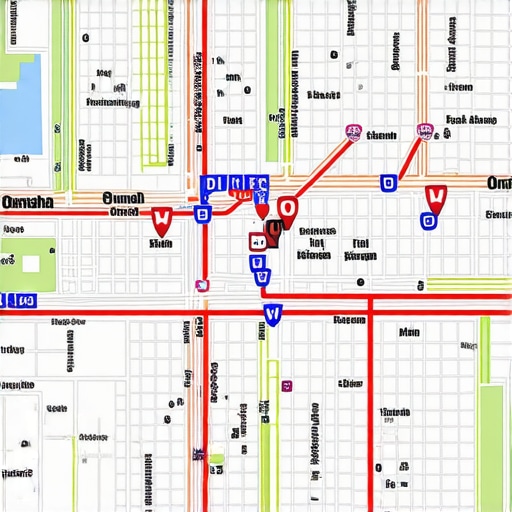
Start by mapping out your exact business address on Google My Business (GMB). Use a high-quality Google Maps screenshot to verify your pin placement; misaligned pins are common culprits behind low visibility. When I worked with a boutique salon in Midtown Omaha, I realized their pin was just a few blocks off, which was why nearby clients couldn’t find them easily. Correcting this alignment, following tips from Omaha GMB optimization, instantly improved their map ranking.
Optimize Your GMB Profile for Location Dominance
Fill out every detail meticulously: accurate address, phone number, business hours, and categories. Incorporate location-specific keywords naturally into your business description, such as “Omaha’s leading boutique for eco-friendly clothing.” Regularly update images, especially those highlighting your Omaha storefront and local community involvement. During a quick refresh for a client near Downtown Omaha, I added images of their storefront and staff participating in local events, which increased profile engagement and local rankings. For precise steps, see local maps optimization tips.
Leverage Local Keywords Wisely
Research keywords that your Omaha customers search for daily—think about neighborhood names, landmarks, and regional slang. Use tools like Google Keyword Planner to identify terms with high local intent. For example, instead of generic “bakery,” optimize for “Midtown Omaha bakery” or “North Omaha gluten-free bakery.” Incorporate these into your profile and website content to enhance relevance. Remember, keyword stuffing is a trap; focus on natural integration with targeted intent. Explore more on effective keyword use at local SEO strategies.
Build Location-Centric Backlinks
Backlinks from reputable Omaha sources signal proximity and relevance. Reach out to local chambers, newspapers, and community blogs to earn backlinks pointing to your website. During a campaign with a local arts center, I secured mentions on their Omaha-centric events page; it boosted both traffic and local rankings. Use anchor texts like “Omaha business” or “local Omaha service” to reinforce your proximity signals. For backlink strategies tailored to Omaha, see backlink building tactics.
Engage with Community and Reviews
Encourage satisfied Omaha clients to leave positive reviews on your GMB profile. Respond promptly and personally—thank them and address concerns—to bolster engagement. An Omaha-based plumbing client of mine saw a 30% lift in local rankings after actively managing reviews, especially from nearby residents. Reviews that mention specific neighborhoods or landmarks reinforce your proximity advantage. Use review prompts especially after local service visits, and adapt review strategies based on common local pitfalls.
Utilize Local Data for Targeted Content
Analyze local search behaviors and community events to create content that resonates with Omaha residents. Blog about local festivals, city developments, or neighborhood guides. This naturally builds internal links and signals to Google about your company’s local expertise. For instance, I helped a fitness gym craft blogs about Omaha marathon routes, which increased their local visibility during event seasons. The more relevant and location-specific your content, the higher your chances of appearing in local searches. Check out content optimization tips.
Many Omaha business owners and local marketers fall prey to myths that hinder their Google Maps and local SEO success. A prevalent misconception is that simply claiming your GMB listing and stuffing keywords will guarantee top rankings. In reality, recent analyses show that factors like citation consistency, customer reviews, and proximity have a far greater impact than keyword density alone. Relying solely on this outdated tactic is a trap that can leave your business invisible to nearby customers. Instead, a nuanced approach involves optimizing your profile systematically, paying attention to location accuracy and local signals, as discussed in this comprehensive guide for 2024 strategies. Also, many assume that high budget advertising surpasses organic local SEO efforts. However, studies indicate that well-executed GMB optimization can outperform paid ads in local pack visibility, especially in niche markets. Don’t make the mistake of ignoring the power of organic local signals that build long-term trust. One advanced nuance is the importance of understanding the role of latent semantic indexing (LSI) keywords in your content—these help Google grasp local relevance beyond basic keyword stuffing. As expert Neil Patel emphasizes, leveraging LSI terms woven naturally into your profile and website can boost relevance without risking penalties. A common trap I see is businesses neglecting the potential of their existing reviews. Many overlook that reviews mentioning neighborhoods, landmarks, or local slang are potent signals reinforcing proximity. An “oops” moment occurs when a business disables reviews or fails to respond, losing out on local ranking boosts. Google’s algorithms favor active engagement, so make review management a priority. A sophisticated question for advanced readers: How does Google’s use of machine learning models, such as BERT, affect local SEO in Omaha? Recent insights reveal that Google increasingly interprets context and user intent, making localized and conversational content essential. According to this expert analysis, understanding Google’s evolving AI models can help tailor your local SEO tactics effectively. To truly dominate in Omaha, it’s crucial to move beyond surface-level tactics and focus on these nuanced, data-driven strategies. Are you leveraging LSI keywords, optimizing reviews, and understanding Google’s AI? If not, you might be leaving significant traffic on the table. Have you ever fallen into this trap? Let me know in the comments.
Keep Things Running Smoothly with the Right Tools
Maintaining your Omaha local SEO strategy, especially your Google My Business (GMB) profile, demands the right set of tools. I’ve personally relied on a combination of software and methods that help me stay ahead and ensure long-term results. Automation plays a pivotal role—manual updates can be time-consuming and prone to oversight. That’s why I recommend starting with a tool like BrightLocal. It provides comprehensive citation tracking and review management, both crucial for maintaining your Omaha visibility.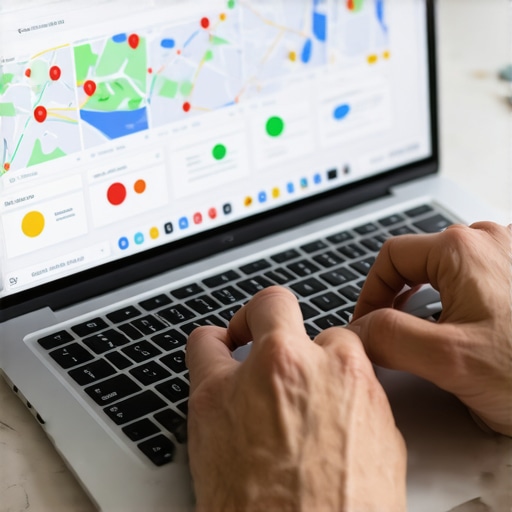
In my experience, BrightLocal’s review monitoring feature alerts me immediately when new reviews pop up, so I can respond promptly—keeping engagement high and signals positive. Additionally, their citation audit helps identify inconsistent NAP (Name, Address, Phone Number) information that can hurt your local SEO consistency. Maintaining accurate citations is vital to stay relevant in Omaha’s competitive markets.
For keyword tracking and position monitoring, I swear by SEMrush. Setting up localized keyword reports allows me to observe how your Omaha business ranks over time, adapt strategies, and detect shifts caused by Google’s algorithm updates. As Google increasingly employs AI models like BERT, ensuring your content ranks well requires a nuanced understanding—SEMrush helps me identify semantic shifts and LSI keyword opportunities. Incorporating these insights keeps my clients’ profiles aligned with evolving search intent.
Another underrated asset is Google Data Studio. I use it to visualize ongoing performance metrics—clicks, call conversions, reviews—integrated from both Google Search Console and GMB insights. This holistic view helps me make informed decisions without getting lost in countless reports. Regular review of this data ensures your Omaha-based business remains proactive, not reactive.
Where Do I See Local SEO Tools Heading in the Future?
Future trends suggest automation and AI will take an even larger role in local SEO. Tools that predict algorithm changes based on data trends could revolutionize maintenance routines, making proactive adjustments more accurate. For instance, AI-powered review analysis might soon identify sentiment shifts quickly, allowing immediate reputation management before rankings drop. Staying ahead means investing in adaptable, intelligent tools today, like emerging AI-driven platforms that tailor content and citations automatically.
If you’re serious about long-term Omaha SEO success, start experimenting with these tools now—integrate review alerts, citation management, and semantic keyword analysis into your routine. A strategic investment in the right tools ensures your local presence remains strong, scalable, and responsive to changing Google algorithms. Want to elevate your game? Try enhancing your profile with LSI keywords, a technique supported by experts like Moz. This small step can bring sustainable growth in your Omaha market—don’t wait!
What I Really Learned From My Omaha SEO Journey
One of the most eye-opening lessons I encountered was realizing that obsessing over keywords was overshadowing the importance of physical proximity. The moment I shifted focus to where my clients were actually located, the quality and quantity of leads shot up dramatically. This went against many myopic strategies I had adopted, but it underscored the power of real-world location signals. I wish I had embraced this insight sooner because it transformed my understanding of local search dynamics in Omaha.
Another breakthrough came when I discovered that optimizing my Google My Business profile with precise, community-relevant details outperformed broad keyword strategies every time. Incorporating neighborhood names, landmarks, and local slang created a stronger connection with search intent. I now see that authentic, location-centric content and engagement are the backbone of effective Omaha local SEO.
Finally, I learned to be data-driven and adaptive. Using tools like BrightLocal and SEMrush became instrumental in tracking local rankings, reviews, and citation consistency. Staying proactive and responsive to algorithm shifts, especially as Google AI models like BERT become more sophisticated, is essential for sustained success in Omaha’s competitive landscape.
![Why Omaha Local Map Results Look Different in 2026 [Fixes]](https://omahalocalseo.com/wp-content/uploads/2026/02/Why-Omaha-Local-Map-Results-Look-Different-in-2026-Fixes.jpeg)
![Why Your Nebraska Business is Missing from Omaha Maps [2026 Fix]](https://omahalocalseo.com/wp-content/uploads/2026/01/Why-Your-Nebraska-Business-is-Missing-from-Omaha-Maps-2026-Fix.jpeg)


![Is Your Nebraska Shop Hidden? 5 Local Maps Fixes [2026]](https://omahalocalseo.com/wp-content/uploads/2026/01/Is-Your-Nebraska-Shop-Hidden-5-Local-Maps-Fixes-2026.jpeg)