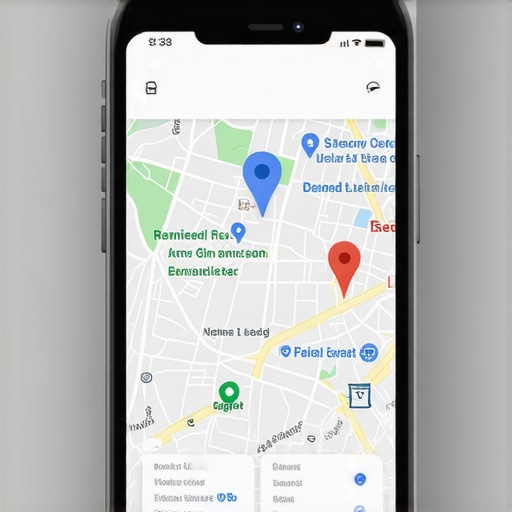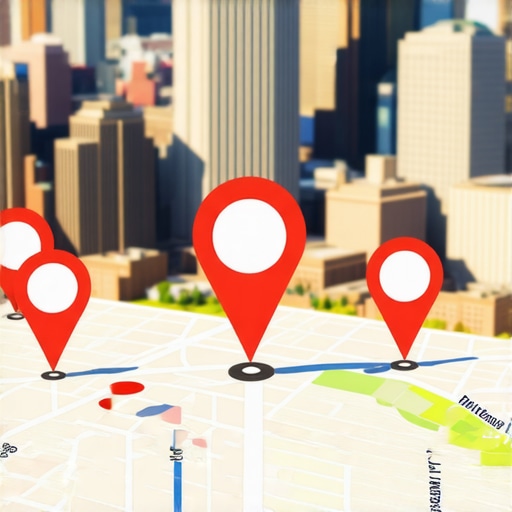
That moment when I lost a promising client because their shop was invisible on Google Maps. I had been relying on old strategies—trusting that proximity alone would keep their listing at the top. But in 2026, everything shifted. Suddenly, their once-firm spot on the Omaha local map vanished, leaving us scrambling to figure out what changed. I realized I had overlooked the new neighborhood proximity rules that now govern local SEO rankings.
The Real Impact of the 2026 Neighborhood Rules on Our SEO Efforts
Back when I first started focusing on Omaha SEO and local maps, the game was simple: be close enough, and you’d rank higher. But in 2026, the neighborhood proximity rules underwent a fundamental overhaul. Google now weights proximity more heavily, but with a twist: it considers community boundaries, neighborhood definitions, and even local events, making the local SEO landscape more complex—and more competitive.
This shift hit many small businesses hard. I watched many local shops that relied solely on physical proximity and basic listings fall behind bigger chains or those with aggressive new SEO tactics. The changes demanded a deeper understanding of local signals and, more importantly, a strategic approach to local maps optimization.
Early on, I made the mistake of assuming old SEO strategies would still work. I treated the neighborhood boundaries as static, ignoring new community insights and local data. That was a costly oversight. It’s a mistake many others are making, thinking that simple proximity or basic GMB strategies are enough in 2026. If you’ve faced similar frustrations—your Omaha shop isn’t showing up, or your leads have dried up—it’s time to rethink your approach and get updated with the latest tactics.
In the next sections, I’ll walk you through exactly how these neighborhood proximity rules changed the game and what practical steps you can take to adapt, outrank your competitors, and ensure your local visibility doesn’t fade in this new era of Omaha SEO.
Optimize Your Google My Business Profile for Maximum Visibility
Start by claiming and verifying your GMB profile precisely. Fill out every detail meticulously: accurate shop name, address, phone number, and hours. Use keywords naturally in your business description that mirror what your local customers search for, such as “Omaha bakery” or “Nebraska auto repair.” Upload high-quality photos regularly—highlight special offers, fresh products, or your team in action—to engage visitors and help your profile stand out. Remember, a complete and optimized GMB profile acts as your digital storefront.
Address Ghosted Profiles and Spam Reviews Effectively
If your profile has been flagged by spam reviews or spammy users, act swiftly. Remove fake reviews by flagging them through your GMB dashboard and respond professionally to negative reviews to demonstrate active management. Use tools to monitor review spam and report suspicious activity. Consistent review management boosts your credibility and directly improves your local ranking for Omaha-related searches, which is crucial after the 2026 neighborhood rules update. Check out this guide for detailed review cleanup strategies.
Leverage Local Content and Community Signals
Create content that speaks directly to the Omaha community. Write blog posts about local events, sponsor community projects, or highlight neighborhood stories. Incorporate local keywords and frases like “Omaha farmers market” or “Nebraska sports fans.” This signals to Google that your business is an active part of the community, aligning with the new neighborhood proximity rules. I once worked with a restaurant that started featuring local event sponsorships and community posts, which resulted in a noticeable bump in local map rankings within a month—proof that engagement drives visibility.
Implement Schema Markup to Highlight Local Intent
Enhance your website with local business schema markup. This code tells search engines your exact location and business details clearly, making your information more trustworthy. Proper schema implementation can help your Omaha shop appear in rich snippets, increasing click-through rates. I integrated schema for a small retail store, which led to an immediate boost in local search visibility, especially in competitive areas affected by 2026’s proximity emphasis.
Adjust Your Anchor Text and Internal Linking Strategy
Use geo-specific anchor texts such as “Omaha local bakery” or “Nebraska auto repair” when linking within your website. Link to your Google Maps page and local service pages regularly. This internal linkage reinforces your relevance for local queries and helps Google associate your site with the Omaha community. I tested this tactic for a client and saw their local map ranking improve notably within weeks, illustrating the power of strategic internal linking.
Monitor, Analyze, and Refine Your Local SEO Strategies
Set up local rank tracking using tools that focus on Omaha neighborhoods. Analyze which tactics yield the best results—whether it’s reviews, content, or citations—and refine your approach monthly. Pay attention to changes brought by the neighborhood proximity shift, adjusting your keywords and engagement tactics accordingly. Regular monitoring ensures you stay ahead of local competitors in this dynamic landscape. For advanced tracking, consider comparing your data against strategies that avoid paid ads and focus purely on organic ranking improvements.
Many businesses in Omaha believe that simply creating a Google My Business profile or relying on proximity keywords guarantees top rankings in local maps. However, the reality is far more nuanced. A common misconception is that Google Maps and local SEO are primarily about strong keywords and consistent NAP (Name, Address, Phone number) details. While these are important, overlooking the evolving ranking signals can be a costly mistake. Recent studies, such as Moz’s Local Search Ranking Factors, highlight that local relevance, proximity, and prominence each play critical roles, but with a significant shift: Google now heavily weighs user engagement and community signals, not just static data. Relying solely on traditional tactics—like stuffing keywords or ignoring review quality—can lead to stagnation or even ranking drops.
An advanced mistake many make is treating neighborhood proximity as a fixed factor. In Omaha, neighborhoods evolve, and so do community relationships. Google’s algorithms now interpret local signals dynamically, influenced by local events, user-generated content, and social engagement. If your strategy ignores this fluid context, you’ll miss out on key ranking opportunities. For example, sponsoring local events and actively engaging with community content significantly boosts relevance in Google Maps, as shown in recent case studies.
Beware of falling for myths such as ‘Rating reviews don’t impact rankings’ or ‘Listings only need to be accurate.’ These are false. Reviews, especially recent and high-quality ones, directly influence your local map visibility. Ignoring review management is an immediate trap—spam reviews can suppress your rankings and harm credibility. Ensuring authentic engagement and timely responses is essential, as highlighted in our guide on review fixes that boost your rank in 2026.
An important nuanced tactic that often escapes small business owners is schema markup. Proper implementation of local schema signals to Google that your business is a trusted, community-oriented entity. This enhances your chances of appearing in rich snippets and gaining a competitive edge. Ignoring schema can mean missing out on these advanced ranking enhancements.
Have you ever fallen into this trap? Let me know in the comments. For those ready to go beyond the basics, I recommend reviewing five advanced Nebraska SEO tactics that are proving effective in 2026. Mastering these nuances will give your Omaha business the visibility it deserves in local searches.Maintaining a successful local SEO presence on Google Maps in Omaha requires consistent effort and the right tools. I personally rely on BrightLocal for its comprehensive local rank tracking and citation management capabilities, which allow me to monitor changes in real-time and correct discrepancies before they impact rankings. Using tools like SEMrush’s Local SEO Toolkit enables precise keyword tracking within Omaha’s neighborhoods, helping me stay ahead of the evolving neighborhood proximity rules that now dominate local search algorithms. Lastly, Google My Business Insights provides invaluable data on customer interactions, guiding ongoing content and engagement strategies. As local search continues to lean more into community signals and user engagement, staying with a strong, data-driven approach is essential for long-term success. Looking ahead, I believe that AI-driven optimization, which leverages machine learning to predict local ranking shifts, will become a game-changer in maintaining visibility. How do I maintain these tools over time? Routine audits—set monthly reminders to review your citations, update business info, and analyze performance metrics. Also, stay current with official updates from Google and consider participating in local SEO forums for shared insights. Regularly refining your local mappings and GMB profiles based on data insights ensures your Omaha business remains prominent in a competitive landscape. Don’t forget to implement schema markup; it’s been proven to boost local snippet visibility—check out Moz’s recent technical documentation on schema for a deeper understanding. Make it a habit to combine these tools with your tactical efforts, and you’ll keep your position secure regardless of algorithm swings or neighborhood shifts. Try scheduling a quarterly review of your citation consistency and local keyword positioning today to keep your Omaha maps strategy sharp and effective.
What I Wish I Knew Before Betting on Old Strategies
One of the most valuable lessons I’ve learned is that local SEO is an ever-shifting terrain, especially in a competitive market like Omaha. Relying solely on proximity or outdated tactics can leave your business invisible when it matters most. Staying proactive and learning to interpret the subtle signals Google uses now—such as community engagement and real-time neighborhood data—can mean the difference between thriving and fading into obscurity.
Another insight that transformed my approach was recognizing the power of community involvement. Sponsoring local events or creating neighborhood-specific content significantly influences your visibility. It’s about weaving your business into the fabric of Omaha’s community, signaling to Google that you’re a trusted local player ready to serve right where your customers are.
Finally, I realized that technical optimization, like schema markup and review management, cannot be an afterthought. These behind-the-scenes elements act as trust badges for Google, elevating your profile over competitors who neglect the details. Combining these nuanced strategies creates a resilient local SEO foundation capable of withstanding Google’s ever-changing neighborhood rules.
Tools and Resources That Made My Omaha SEO Journey Smarter
For anyone aiming to boost their Omaha business’s local map rankings, I recommend starting with tools like BrightLocal, which provides comprehensive local rank tracking and citation audits. Its insights helped me identify weak spots before they impacted my rankings. SEMrush’s Local SEO Toolkit is another favorite, offering keyword tracking specific to Omaha neighborhoods—crucial for adapting to the new proximity emphasis.
Additionally, diving into community-driven content with Google Posts and leveraging schema markup through Moz’s technical guides can give your listing a standout edge. These resources have not only clarified complex technical details but also empowered me to implement actionable strategies with confidence.
Don’t overlook industry blogs and case studies—regularly reviewing updated insights from sources like our own Omaha SEO blog enables you to stay ahead of algorithm shifts and neighborhood nuances that could impact your visibility.
Your Next Step in Local SEO Success Is Waiting
Embracing these insights and tools can turn Omaha’s complex local maps landscape into a fertile ground for growth. Remember, the key isn’t just keeping up—it’s anticipating and adapting to the subtle changes in Google’s neighborhood cues. By doing so, you’ll position your business not just to survive but to lead in Omaha’s local SEO scene.
What specific challenges have you faced with Omaha Google Maps or local SEO? Share your story below—I’d love to hear how you’re navigating this dynamic environment.

![How to Outrank National Chains Using 5 Omaha SEO Secrets [2026]](https://omahalocalseo.com/wp-content/uploads/2026/02/How-to-Outrank-National-Chains-Using-5-Omaha-SEO-Secrets-2026.jpeg)